
Contact me immediately if you encounter problems!

All Categories

Get a Free Quote

Our representative will contact you soon.
Email
Name
Phone Number / WhatsApp
Company Name
Message
0/1000

How to Maintain Compact Laminate for Longevity and Strength?

2026-06-08 14:46:00
How to Maintain Compact Laminate for Longevity and Strength?

Knowing how to properly maintain compact laminate is essential for any facility manager, interior designer, or building owner who wants to preserve the material's structural strength and visual appeal over the long term. Compact laminate is widely used in high-traffic commercial environments such as washrooms, offices, laboratories, and public spaces, where surfaces are exposed to constant use, moisture, and chemical contact. Without a consistent maintenance routine, even the most durable compact laminate installation can show signs of wear, staining, or surface degradation earlier than expected.

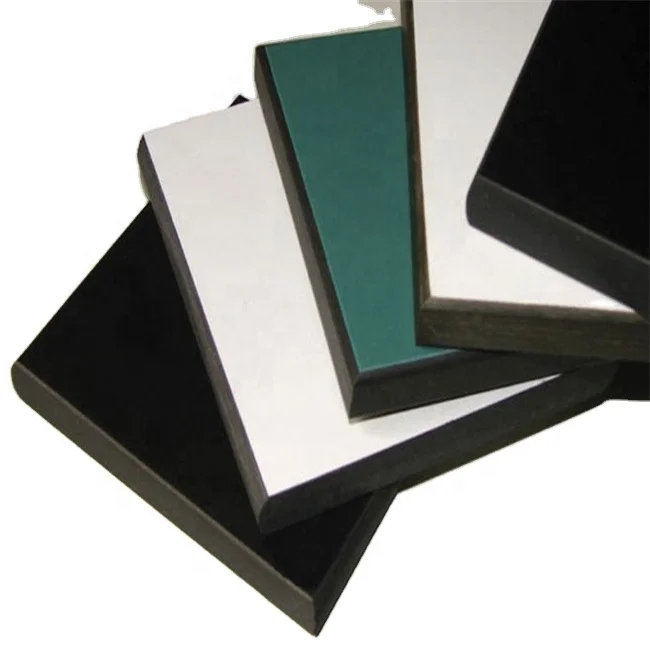
compact laminate

Compact laminate is engineered from multiple layers of resin-impregnated kraft paper fused under high pressure and heat, resulting in a dense, moisture-resistant, and impact-resistant panel. Its surface finish is designed to resist scratches, bacteria, and everyday chemical exposure. However, the longevity and strength of compact laminate depend not only on its manufacturing quality but also on how it is cleaned, inspected, and protected after installation. This guide walks through the most effective maintenance practices to help compact laminate perform at its best for decades.

Daily and Routine Cleaning Practices for Compact Laminate

Choosing the Right Cleaning Agents

The first step in maintaining compact laminate is selecting appropriate cleaning products. Compact laminate surfaces respond well to mild, pH-neutral detergents diluted in warm water. Avoid using abrasive powders, steel wool, or harsh scouring pads on compact laminate, as these can scratch the decorative layer and compromise the surface integrity. Strong acidic or alkaline cleaners should also be avoided because they can gradually erode the resin layer that gives compact laminate its chemical resistance. A soft cloth or a non-abrasive sponge is the ideal tool for everyday cleaning of compact laminate panels.

For compact laminate installed in washrooms or medical facilities, antibacterial cleaning solutions are appropriate and do not harm the surface when used correctly. Always follow the manufacturer's dilution guidelines when applying any cleaning agent to compact laminate. After cleaning, rinse the compact laminate surface with clean water and dry it promptly to prevent water pooling around edges and joints, which can weaken the panel structure over time.

Frequency of Routine Maintenance

In high-traffic environments, compact laminate surfaces should be wiped down at least once daily. In spaces with lower footfall, a weekly cleaning schedule is generally sufficient to keep compact laminate looking clean and functioning well. Consistent routine care prevents the buildup of grime, grease, and biological matter that can become harder to remove if left untreated on compact laminate surfaces. Establishing a documented cleaning schedule is particularly useful when compact laminate is installed across large facilities with multiple zones.

Addressing Stains, Scratches, and Surface Damage on Compact Laminate

Removing Stubborn Stains from Compact Laminate

Compact laminate is highly resistant to staining, but some substances such as ink, paint, adhesive residue, or heavy grease may require targeted treatment. For these cases, isopropyl alcohol or a solvent recommended specifically for compact laminate can be applied carefully with a soft cloth. Always test the solvent on a hidden section of compact laminate before applying it to a visible area to ensure it does not affect the surface finish. Avoid scrubbing aggressively, as patience and gentle repetition are more effective and safer for the compact laminate surface.

Oil-based stains on compact laminate can often be lifted with a small amount of acetone, applied briefly and then wiped off immediately. The key is to act quickly before any stain substance penetrates the surface. Although compact laminate has a non-porous surface layer, prolonged contact with strong pigments or corrosive materials can still cause discoloration if the compact laminate is not cleaned promptly.

Managing Minor Scratches and Edge Wear on Compact Laminate

Minor surface scratches on compact laminate are generally cosmetic and do not affect the structural performance of the panel. For decorative maintenance, color-matched repair pastes or touch-up products designed for compact laminate can minimize the visual impact of light scratches. Edge wear is a more critical concern, particularly for compact laminate used in cubicle partitions or countertops. Exposed edges of compact laminate should be sealed or capped with appropriate edge banding to protect the core layers from moisture ingress. Inspect the edges of each compact laminate panel during periodic maintenance rounds, and reseal any edges that show signs of delamination or chipping promptly.

Long-Term Protection Strategies for Compact Laminate Strength

Environmental Conditions That Affect Compact Laminate

Although compact laminate is engineered for demanding environments, extreme or prolonged exposure to certain conditions can reduce its service life. Direct and sustained UV exposure can gradually fade the surface color of compact laminate panels installed near windows or in outdoor-adjacent settings. Where possible, apply UV-protective coatings or use blinds and shading to reduce direct sunlight impact on compact laminate. In environments with high humidity fluctuations, ensure that compact laminate panels are properly fixed and that ventilation around partition systems prevents condensation from forming behind compact laminate surfaces.

Thermal expansion is a natural characteristic of compact laminate, and installers should always account for appropriate expansion gaps during the initial fitting. If compact laminate panels are fitted too tightly, seasonal temperature changes can cause surface buckling. Reviewing the installation tolerances periodically and adjusting fixings where necessary helps maintain the structural alignment of compact laminate over many years.

Periodic Inspection and Professional Assessment of Compact Laminate

Scheduling a formal inspection of all compact laminate installations at least once per year is a sound maintenance strategy. During these inspections, check for loose fixings, cracked surfaces, swollen edges, or any signs of delamination within compact laminate panels. Early detection of damage allows for targeted repair rather than full panel replacement, which significantly reduces maintenance costs. Engaging a qualified fitter or the original compact laminate supplier for these assessments ensures that any issues are evaluated correctly and addressed with compatible materials.

FAQ

Can compact laminate be used in wet areas without special maintenance?

Compact laminate is naturally moisture-resistant and suitable for wet areas such as washrooms and shower cubicles. However, regular cleaning and prompt drying of compact laminate surfaces are still important to prevent edge moisture infiltration and maintain hygienic conditions over the long term.

How often should compact laminate panels be professionally inspected?

A professional inspection of compact laminate installations is recommended at least once per year in commercial environments. High-traffic settings may benefit from more frequent reviews to catch early signs of wear, edge damage, or fixing issues in compact laminate panels before they escalate.

What should be avoided when cleaning compact laminate?

When cleaning compact laminate, avoid abrasive scrubbers, harsh bleach-based cleaners, and undiluted solvents. These can damage the surface layer of compact laminate and reduce its resistance to staining, bacteria, and physical wear over time. Always use mild, non-abrasive products for routine compact laminate care.