
 EN
EN
Laboratory environments demand exceptional durability and performance from every surface, making proper maintenance of your lab countertop a critical factor in ensuring long-term functionality and safety. A well-maintained lab countertop not only extends the lifespan of your investment but also maintains the integrity of your research and testing procedures. Understanding the specific requirements for laboratory surface care helps prevent costly replacements while ensuring compliance with industry standards and safety protocols.
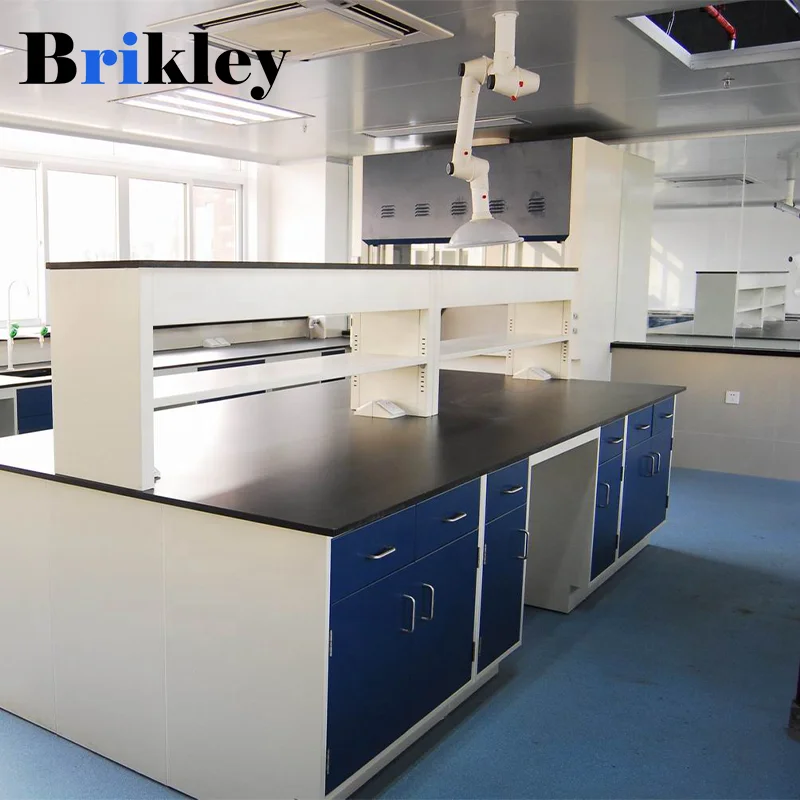
The importance of proper lab countertop maintenance cannot be overstated, as these surfaces face constant exposure to harsh chemicals, extreme temperatures, and heavy equipment. Modern laboratory facilities rely on high-performance materials that require specific care protocols to maintain their chemical resistance and structural integrity. By implementing systematic maintenance procedures, laboratory managers can significantly reduce operational costs while ensuring consistent performance standards across all work surfaces.
Understanding Laboratory Countertop Materials and Their Maintenance Requirements
Chemical-Resistant Compact HPL Properties
High-pressure laminate materials used in modern lab countertop construction offer exceptional resistance to chemicals, heat, and physical damage. These engineered surfaces consist of multiple layers of kraft paper impregnated with phenolic resin, creating a dense, non-porous structure that withstands aggressive laboratory conditions. The compact construction eliminates the need for substrate materials, resulting in superior strength and dimensional stability compared to traditional laminate options.
The manufacturing process involves subjecting these layered materials to extreme pressure and temperature, creating a homogeneous structure throughout the entire thickness of the lab countertop. This uniform composition ensures consistent performance characteristics and eliminates weak points that could compromise the surface integrity over time. Understanding these material properties helps laboratory personnel select appropriate cleaning agents and maintenance procedures that preserve the countertop's protective qualities.
Surface Porosity and Contamination Prevention
Non-porous surface characteristics of quality lab countertop materials prevent the absorption of liquids and chemicals that could harbor bacteria or cause staining. This fundamental property makes cleaning more effective and reduces the risk of cross-contamination between experiments. The smooth, sealed surface allows for complete removal of residues without the need for aggressive scrubbing that might damage the material.
Proper maintenance procedures focus on preserving this non-porous quality by avoiding cleaning methods or chemicals that could create microscopic scratches or surface damage. Regular inspection for any signs of surface compromise helps identify potential issues before they become significant problems requiring extensive repair or replacement of the entire lab countertop.
Daily Cleaning and Maintenance Protocols
Immediate Spill Response Procedures
Prompt response to chemical spills represents the most critical aspect of lab countertop maintenance, as even resistant materials can suffer damage from prolonged exposure to aggressive substances. Establishing clear spill response protocols ensures that all laboratory personnel understand the importance of immediate action when accidents occur. The key principle involves removing the contaminating substance as quickly as possible while following proper safety procedures.
Effective spill response begins with proper personal protective equipment and appropriate neutralizing agents for specific chemical classes. The lab countertop surface should be cleaned using approved solvents or cleaning solutions that effectively remove residues without damaging the underlying material. Documentation of spill incidents helps identify patterns that might indicate the need for procedural changes or additional protective measures.
Routine Surface Sanitization
Daily sanitization procedures maintain the sterile environment required for accurate laboratory work while preserving the lab countertop material properties. Standard operating procedures should specify approved cleaning agents, contact times, and wiping techniques that ensure complete coverage without leaving residues. The selection of sanitizing agents must consider both antimicrobial effectiveness and material compatibility.
Proper sanitization involves systematic cleaning patterns that prevent cross-contamination while ensuring all surface areas receive adequate treatment. The use of lint-free cleaning materials prevents the introduction of foreign particles that could interfere with sensitive analytical procedures. Regular rotation of sanitizing agents helps prevent the development of resistant microbial populations while maintaining the effectiveness of the cleaning protocol.
Chemical Compatibility and Resistance Management
Understanding Chemical Interaction Limits
Even the most chemically resistant lab countertop materials have limitations that must be understood to prevent premature failure or surface damage. Comprehensive chemical compatibility charts provide guidance on exposure limits, concentration thresholds, and contact time restrictions for common laboratory reagents. These guidelines help laboratory personnel make informed decisions about appropriate work practices and protective measures.
Prolonged exposure to highly concentrated acids, bases, or organic solvents can compromise even high-performance lab countertop surfaces over time. Understanding these limitations allows for the implementation of protective measures such as secondary containment, splash guards, or temporary protective coverings during particularly aggressive procedures. Regular assessment of work practices helps identify situations where additional protection might be necessary.
Protective Measures and Best Practices
Implementation of protective measures extends the service life of lab countertop surfaces while maintaining their performance characteristics. These measures include the use of appropriate containers, secondary containment systems, and temporary protective barriers during high-risk procedures. The goal involves minimizing direct contact between aggressive chemicals and the countertop surface without compromising workflow efficiency.
Best practices encompass proper storage of chemicals away from work surfaces, immediate cleanup of minor spills, and regular inspection for signs of chemical damage. Training programs ensure that all laboratory personnel understand the importance of these protective measures and their role in maintaining lab countertop integrity. Documentation of protective measure effectiveness helps refine procedures and identify areas for improvement.
Equipment Integration and Surface Protection
Heavy Equipment Mounting Considerations
Laboratory equipment mounting requires careful consideration of load distribution and vibration isolation to prevent damage to the lab countertop structure. Proper mounting techniques distribute equipment weight across multiple support points, preventing localized stress concentrations that could cause cracking or deformation. The use of appropriate mounting hardware ensures secure attachment while preserving the countertop's structural integrity.
Vibration-producing equipment requires special attention to prevent fatigue damage to the lab countertop material over time. Isolation pads or mounting systems help minimize transmitted vibrations while maintaining equipment stability. Regular inspection of mounting points helps identify any signs of loosening or stress that could indicate the need for adjustment or reinforcement.
Heat Management and Thermal Protection
Thermal management represents a critical aspect of lab countertop maintenance, as excessive heat can cause permanent damage to even heat-resistant materials. Understanding the thermal limits of countertop materials helps laboratory personnel implement appropriate protective measures for hot equipment or processes. The use of insulating pads, heat shields, or dedicated heat-resistant inserts provides protection without compromising workflow efficiency.
Gradual thermal cycling can cause expansion and contraction stresses that may lead to cracking or delamination in lab countertop materials over time. Proper thermal management involves controlling temperature gradients and providing adequate cooling for heat-generating equipment. Regular thermal monitoring helps identify potential problem areas before they cause significant damage.
Long-Term Maintenance Strategies
Preventive Inspection Schedules
Systematic inspection schedules form the foundation of effective long-term lab countertop maintenance programs. These inspections should focus on identifying early signs of wear, chemical damage, or structural issues that could compromise performance or safety. Regular documentation of inspection findings helps track the condition of surfaces over time and identify trends that might indicate the need for procedural changes.
Comprehensive inspection protocols examine surface integrity, edge conditions, mounting hardware, and any signs of chemical staining or etching. The frequency of inspections depends on usage intensity and the types of chemicals regularly used in the laboratory. Higher-risk applications may require more frequent inspections to ensure continued safe operation and optimal lab countertop performance.
Professional Maintenance Services
Professional maintenance services provide specialized expertise and equipment for comprehensive lab countertop care beyond routine daily maintenance. These services can include deep cleaning, surface restoration, and repair of minor damage that might otherwise compromise the entire surface. Professional assessment helps identify potential issues before they become major problems requiring complete replacement.
Specialized restoration techniques can address surface staining, minor scratches, or other cosmetic issues that affect the appearance and cleanability of lab countertop surfaces. Professional services also provide valuable guidance on maintenance procedures and can recommend improvements to existing protocols. Regular professional maintenance helps extend surface life while maintaining optimal performance characteristics.
Troubleshooting Common Issues
Staining and Discoloration Problems
Staining issues on lab countertop surfaces often result from improper cleaning procedures or prolonged exposure to staining agents. Understanding the root cause of staining helps determine the most appropriate remediation approach and prevents recurrence. Some stains may require specialized cleaning agents or techniques that go beyond routine maintenance procedures.
Surface discoloration can indicate chemical damage that may compromise the protective properties of the lab countertop material. Proper assessment involves determining whether the discoloration is superficial or indicates deeper material compromise. Early intervention helps prevent minor staining issues from developing into more serious problems requiring extensive repair or replacement.
Surface Damage Assessment and Repair
Minor surface damage to lab countertop materials often can be addressed through appropriate repair techniques that restore both appearance and functionality. Proper damage assessment involves determining the extent and depth of damage to develop an appropriate repair strategy. Some repairs may be performed in-house, while others require professional expertise and specialized materials.
The decision between repair and replacement depends on factors such as damage extent, repair cost, and expected remaining service life of the lab countertop. Cost-benefit analysis helps determine the most economical approach while ensuring continued safe operation. Documentation of damage incidents helps identify patterns that might indicate the need for procedural changes or additional protective measures.
FAQ
How often should lab countertops be deep cleaned beyond daily sanitization?
Deep cleaning of lab countertop surfaces should be performed weekly or biweekly depending on usage intensity and the types of chemicals used. This involves more thorough cleaning procedures using specialized agents that remove accumulated residues not addressed by daily sanitization. High-usage laboratories or those working with particularly aggressive chemicals may require more frequent deep cleaning to maintain optimal surface condition and performance.
What are the signs that a lab countertop needs professional attention or replacement?
Key indicators that professional attention is needed include persistent staining that cannot be removed through normal cleaning, visible cracks or chips in the surface, areas where chemicals seem to penetrate or pool, and any signs of delamination or edge lifting. Additionally, if the lab countertop no longer maintains its non-porous characteristics or shows signs of bacterial growth despite proper cleaning, professional assessment is recommended to determine whether repair or replacement is necessary.
Can damaged areas of a lab countertop be repaired without replacing the entire surface?
Many types of minor damage to lab countertop surfaces can be successfully repaired using appropriate techniques and materials. Small scratches, minor chips, and localized staining often respond well to professional restoration procedures. However, extensive damage, deep cracks, or widespread chemical damage typically requires complete replacement to ensure continued safety and performance. Professional assessment helps determine the most appropriate course of action based on damage extent and repair feasibility.
What cleaning products should be avoided to prevent damage to chemical-resistant lab countertops?
Avoid using abrasive cleaners, steel wool, or harsh scrubbing pads that can scratch the lab countertop surface and compromise its non-porous characteristics. Highly concentrated acids or bases left in contact for extended periods can damage even chemical-resistant materials. Additionally, avoid cleaning products containing strong oxidizers, certain organic solvents in high concentrations, or any cleaners not specifically approved for laboratory use, as these may cause discoloration, chemical damage, or reduced chemical resistance over time.
Table of Contents
- Understanding Laboratory Countertop Materials and Their Maintenance Requirements
- Daily Cleaning and Maintenance Protocols
- Chemical Compatibility and Resistance Management
- Equipment Integration and Surface Protection
- Long-Term Maintenance Strategies
- Troubleshooting Common Issues
-
FAQ
- How often should lab countertops be deep cleaned beyond daily sanitization?
- What are the signs that a lab countertop needs professional attention or replacement?
- Can damaged areas of a lab countertop be repaired without replacing the entire surface?
- What cleaning products should be avoided to prevent damage to chemical-resistant lab countertops?