
 EN
EN
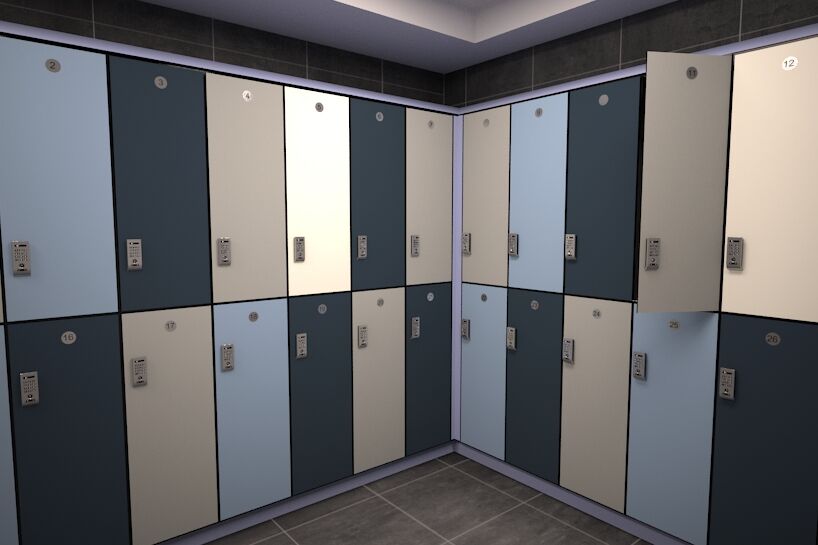
Modern laboratories require specialized work surfaces that can withstand harsh chemicals, extreme temperatures, and constant daily use. A lab countertop serves as the foundation for critical research activities, making its selection one of the most important decisions in laboratory design. The right laboratory work surface must combine durability, safety, and functionality to support various scientific procedures while maintaining compliance with industry standards. Understanding the essential features that make a lab countertop suitable for laboratory environments helps facility managers and researchers make informed decisions that enhance both productivity and safety.
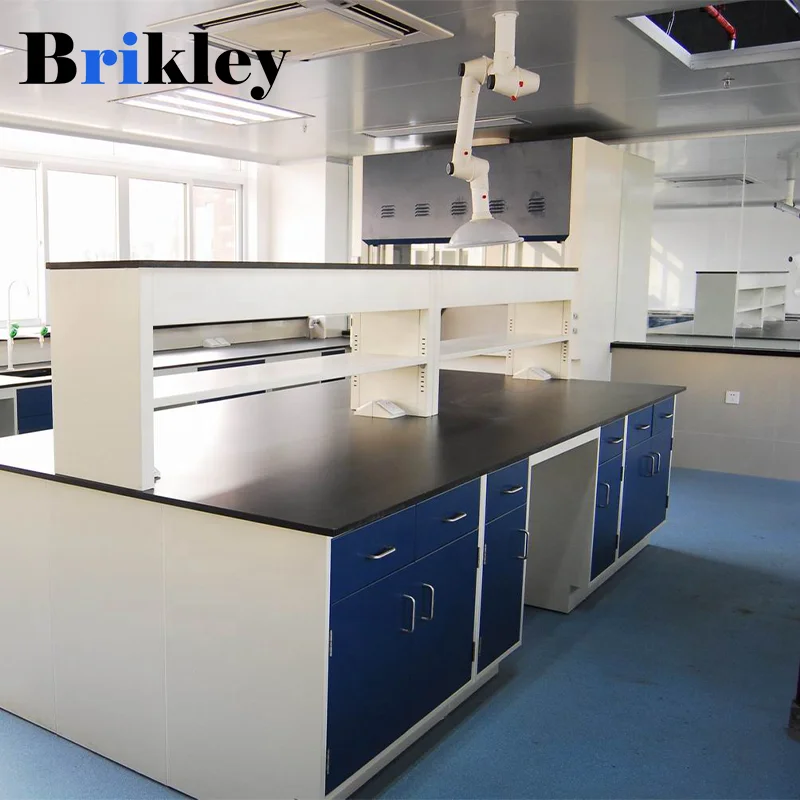
Chemical Resistance Properties
Acid and Base Resistance
Chemical resistance stands as the most critical feature of any effective lab countertop material. Laboratory work surfaces must withstand exposure to concentrated acids, strong bases, and various organic solvents without degrading or staining. High-pressure laminate materials specifically engineered for laboratory use demonstrate exceptional resistance to sulfuric acid, hydrochloric acid, and sodium hydroxide solutions. These materials undergo rigorous testing protocols to ensure they maintain structural integrity even after prolonged chemical exposure.
The molecular structure of premium lab countertop materials creates a barrier that prevents chemical penetration into the substrate. This resistance extends beyond surface protection to include resistance to chemical etching and discoloration. Quality laboratory surfaces maintain their appearance and performance characteristics even after years of exposure to aggressive chemicals, ensuring long-term reliability and cost-effectiveness for laboratory operations.
Solvent Compatibility
Organic solvents present unique challenges for laboratory work surfaces, as many materials can swell, crack, or dissolve when exposed to these compounds. A suitable lab countertop must demonstrate compatibility with common laboratory solvents including acetone, methanol, ethanol, and various hydrocarbon-based solutions. Advanced composite materials used in modern laboratory surfaces undergo extensive solvent resistance testing to ensure they meet stringent performance standards.
The solvent resistance of a lab countertop directly impacts laboratory safety and operational efficiency. Surfaces that maintain their integrity when exposed to solvents prevent contamination issues and reduce the risk of structural failure during critical experiments. This compatibility ensures that researchers can work with confidence, knowing their work surface will not compromise experimental results or create safety hazards.
Heat Resistance and Temperature Stability
High Temperature Performance
Laboratory procedures often involve elevated temperatures from hot plates, autoclaves, and heating equipment, making thermal resistance essential for any lab countertop. Quality laboratory surfaces must withstand direct contact with hot objects up to 180°C without suffering damage, discoloration, or structural changes. The thermal stability of the work surface prevents warping, cracking, or delamination that could compromise both safety and functionality.
Heat resistance testing involves exposing lab countertop samples to various temperature conditions while monitoring for changes in surface properties, dimensional stability, and structural integrity. Materials that pass these rigorous tests ensure that laboratories can operate heating equipment safely without risking damage to work surfaces or creating potential safety hazards for laboratory personnel.
Thermal Shock Resistance
Rapid temperature changes present additional challenges for laboratory work surfaces, as thermal shock can cause cracking or delamination in inferior materials. A robust lab countertop must handle sudden temperature transitions from hot to cold without structural damage. This capability proves particularly important in laboratories where equipment may be moved directly from heating units to room temperature surfaces.
The thermal expansion coefficients of quality laboratory materials are engineered to minimize stress during temperature fluctuations. This design consideration ensures that the lab countertop maintains its flatness and structural integrity throughout repeated thermal cycling, providing reliable performance for demanding laboratory applications.
Physical Durability and Impact Resistance
Scratch and Abrasion Resistance
Daily laboratory operations involve moving equipment, handling glassware, and performing procedures that can potentially damage work surfaces. A durable lab countertop must resist scratching from metal instruments, glass containers, and laboratory equipment while maintaining a smooth, easy-to-clean surface. The hardness and surface finish of quality laboratory materials provide excellent resistance to wear and abrasion.
Scratch resistance contributes significantly to the longevity and maintainability of laboratory work surfaces. Surfaces that resist minor damage maintain their professional appearance and hygienic properties over time, reducing replacement costs and ensuring consistent laboratory aesthetics. The smooth surface finish also facilitates thorough cleaning and decontamination procedures essential for laboratory safety.
Impact Resistance
Laboratory environments involve handling various equipment and materials that may accidentally impact work surfaces. A suitable lab countertop must withstand these impacts without chipping, cracking, or developing stress fractures that could harbor contaminants or create safety hazards. The structural composition of quality laboratory surfaces distributes impact energy effectively, preventing localized damage.
Impact resistance testing evaluates how well lab countertop materials withstand both low-velocity impacts from dropped equipment and higher-energy impacts that might occur during equipment installation or maintenance. Materials that demonstrate superior impact resistance provide laboratories with reliable work surfaces that maintain their integrity under normal operational conditions.
Surface Properties and Hygiene
Non-Porous Surface Characteristics
The surface porosity of a lab countertop directly affects its ability to resist contamination and facilitate proper cleaning procedures. Non-porous surfaces prevent the absorption of liquids, chemicals, and biological materials that could create contamination issues or harbor harmful microorganisms. This characteristic proves essential for maintaining laboratory hygiene standards and preventing cross-contamination between experiments.
Dense, non-porous lab countertop materials also resist staining from common laboratory reagents and biological samples. This property ensures that work surfaces maintain their appearance and cleanliness even after exposure to strongly colored solutions or organic materials. The inability of contaminants to penetrate the surface makes decontamination procedures more effective and reliable.
Easy Cleaning and Decontamination
Laboratory safety protocols require thorough cleaning and decontamination of work surfaces between procedures and at the end of each work session. A proper lab countertop must facilitate these cleaning procedures through its surface properties and chemical compatibility. Smooth, non-textured surfaces allow for complete removal of residues and effective application of disinfectants.
The chemical resistance of quality laboratory surfaces ensures compatibility with strong disinfectants, bleach solutions, and specialized decontamination agents. This compatibility allows laboratories to implement comprehensive cleaning protocols without risking damage to work surfaces, maintaining both hygiene standards and equipment longevity.
Installation and Maintenance Considerations
Edge Sealing and Joint Design
Proper installation techniques significantly impact the performance and longevity of any lab countertop system. Edge sealing prevents liquid penetration into substrate materials, while properly designed joints eliminate gaps where contaminants could accumulate. Professional installation ensures that seams are sealed effectively and that the work surface provides a continuous, hygienic barrier.
The edge treatment of a lab countertop must complement its surface properties to provide complete protection against chemical and biological contamination. Quality edge sealing materials demonstrate the same chemical resistance as the primary surface material, ensuring consistent performance across the entire work surface area.
Long-Term Performance
The total cost of ownership for laboratory work surfaces includes both initial investment and ongoing maintenance requirements. A well-designed lab countertop requires minimal maintenance while providing years of reliable service. The durability and chemical resistance of quality materials reduce replacement frequency and maintenance costs over the lifetime of the laboratory.
Performance monitoring of lab countertop materials in actual laboratory environments demonstrates their ability to maintain functionality and appearance over extended periods. This real-world performance data helps laboratories make informed decisions about work surface selection and maintenance scheduling to optimize both safety and cost-effectiveness.
FAQ
How often should lab countertop surfaces be replaced?
The replacement frequency for lab countertop surfaces depends on the specific laboratory environment and usage intensity. High-quality chemical-resistant materials typically provide 15-20 years of service in standard laboratory conditions. However, laboratories with particularly aggressive chemical exposure or heavy equipment use may require replacement every 10-15 years. Regular inspection for signs of chemical damage, wear, or contamination helps determine optimal replacement timing.
What cleaning products are safe to use on laboratory work surfaces?
Most lab countertop materials compatible with laboratory chemicals can safely accommodate standard disinfectants, diluted bleach solutions, and isopropyl alcohol. Avoid abrasive cleaners or scouring pads that could damage the surface finish. Always consult the manufacturer's cleaning guidelines and test new cleaning products on an inconspicuous area before widespread use. The chemical resistance properties of quality laboratory surfaces allow for effective decontamination without surface damage.
Can lab countertop materials be repaired if damaged?
Minor surface damage to lab countertop materials can sometimes be repaired using specialized techniques and materials designed for laboratory surfaces. However, any damage that compromises the chemical resistance or creates areas where contaminants could accumulate typically requires section replacement. Professional assessment is recommended to determine whether repair or replacement provides the most appropriate solution while maintaining laboratory safety standards.
What thickness is recommended for laboratory work surfaces?
Standard lab countertop thickness ranges from 12mm to 25mm, with thicker materials providing enhanced durability and impact resistance. The optimal thickness depends on the specific laboratory application, expected load requirements, and installation method. Thicker surfaces generally provide better long-term performance in high-use environments, while thinner materials may be suitable for lighter-duty applications with appropriate support structures.