
 EN
EN
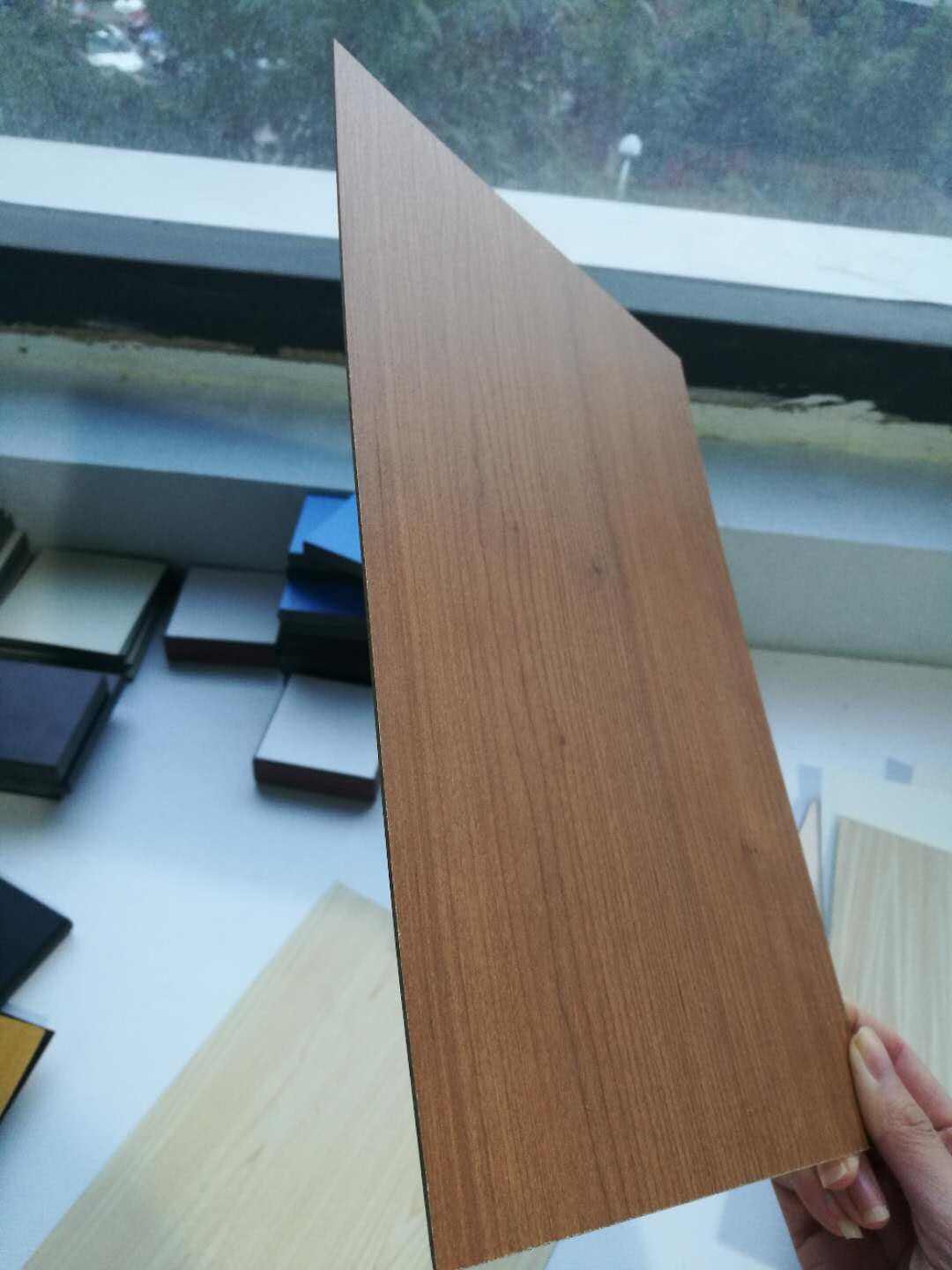
Modern industrial and laboratory environments demand surfaces that can withstand extreme conditions while maintaining functionality and safety. A phenolic countertop represents one of the most versatile and durable surface solutions available today, offering exceptional resistance to chemicals, heat, and mechanical stress. These engineered surfaces have become the preferred choice across numerous industries where standard materials simply cannot meet the demanding requirements of daily operations.

The unique composition of phenolic resin creates a non-porous surface that resists bacterial growth and maintains its structural integrity even under harsh conditions. Understanding which applications benefit most from a phenolic countertop installation can help facilities make informed decisions about their surface material investments. From research laboratories to food processing facilities, the versatility of these surfaces continues to expand their adoption across multiple sectors.
Laboratory and Research Environments
Chemical Analysis Laboratories
Chemical analysis laboratories require surfaces that can withstand exposure to aggressive acids, bases, and organic solvents without degradation. A phenolic countertop provides exceptional chemical resistance, making it ideal for analytical workstations where spills and splashes are common occurrences. The non-reactive nature of phenolic resin ensures that test results remain uncontaminated by surface interactions.
Research facilities conducting materials testing and quality control analysis particularly benefit from the dimensional stability that a phenolic countertop offers. Temperature fluctuations and chemical exposures that would damage traditional surfaces have minimal impact on properly installed phenolic systems. This reliability translates to consistent work environments and reduced maintenance costs over the facility's operational lifetime.
Biological and Medical Research
Biological research facilities demand surfaces that maintain sterility while resisting contamination from biological agents. The non-porous nature of a phenolic countertop prevents bacterial and viral infiltration, creating safer working conditions for researchers handling sensitive specimens. Easy decontamination procedures ensure that cross-contamination risks remain minimal throughout daily operations.
Medical research laboratories working with pharmaceuticals and biotechnology applications require surfaces that meet stringent regulatory standards. A phenolic countertop can be manufactured to comply with various industry certifications while providing the chemical resistance necessary for pharmaceutical development processes. The smooth, seamless surface facilitates thorough cleaning protocols required in regulated environments.
Industrial Manufacturing Applications
Electronics Manufacturing
Electronics manufacturing requires static-free surfaces that can withstand cleaning solvents and maintain precise dimensional tolerances. A phenolic countertop can be engineered with anti-static properties while maintaining its chemical resistance characteristics. This combination makes it suitable for assembly areas where electronic components require protection from electrostatic discharge.
Clean room environments in semiconductor manufacturing benefit significantly from the low outgassing properties of phenolic surfaces. Unlike many synthetic materials, a properly cured phenolic countertop releases minimal volatile compounds that could contaminate sensitive manufacturing processes. The ability to achieve ultra-smooth finishes also supports the stringent cleanliness requirements of advanced electronics production.
Food and Beverage Processing
Food processing facilities require surfaces that meet health department standards while withstanding frequent sanitization procedures. A phenolic countertop provides the necessary chemical resistance to cleaning agents and disinfectants commonly used in food service applications. The non-porous surface prevents bacterial harboring while maintaining its structural integrity under repetitive cleaning cycles.
Commercial kitchen environments benefit from the heat resistance properties that a phenolic countertop offers near cooking equipment and steam applications. Unlike traditional materials that may warp or degrade when exposed to elevated temperatures, phenolic surfaces maintain their dimensional stability and appearance. This durability reduces replacement costs and ensures consistent food safety standards throughout facility operations.
Healthcare and Medical Facilities
Hospital Laboratory Areas
Hospital laboratories process thousands of specimens daily, requiring surfaces that can withstand aggressive disinfectants and maintain sterility between samples. A phenolic countertop provides the chemical resistance necessary for standard hospital cleaning protocols while offering the durability required for high-volume operations. The seamless installation options eliminate crevices where contaminants might accumulate.
Pathology departments particularly benefit from the stain resistance properties inherent in phenolic surfaces. Blood, tissue samples, and staining reagents that would permanently mark other materials can be easily cleaned from a phenolic countertop without leaving residual traces. This characteristic is essential for maintaining accurate diagnostic procedures and preventing cross-contamination between specimens.
Dental and Veterinary Practices
Dental practices require surfaces that can withstand dental materials, adhesives, and cleaning solvents while maintaining an attractive appearance for patient-facing areas. A phenolic countertop offers the chemical resistance needed for dental material preparation while providing the aesthetic options necessary for modern practice designs. The ability to integrate sinks and equipment seamlessly enhances both functionality and appearance.
Veterinary facilities benefit from the impact resistance and easy cleaning properties of phenolic surfaces in examination and surgery areas. Animal handling can create significant mechanical stress on surfaces, but a phenolic countertop maintains its structural integrity under these demanding conditions. The resistance to scratches and dents ensures that surfaces remain hygienic and professional-looking throughout years of service.
Educational and Training Facilities
University Research Centers
University research facilities often handle diverse chemicals and materials across multiple disciplines, requiring surfaces that can adapt to changing research needs. A phenolic countertop provides the versatility necessary for multi-use laboratories where different research projects may expose surfaces to varying chemical environments. The long service life of phenolic surfaces makes them cost-effective for educational institutions with limited replacement budgets.
Graduate research laboratories benefit from the consistent performance characteristics that a phenolic countertop provides across different experimental conditions. Students and researchers can rely on surface performance without worrying about material limitations affecting their work. This reliability is particularly important in academic settings where research results must meet publication standards.
Technical Training Programs
Technical training programs in fields like automotive repair, welding, and machining require surfaces that can withstand the abuse typical of learning environments. A phenolic countertop offers the durability necessary for training applications while maintaining safety standards required in educational settings. The resistance to cuts, burns, and impacts makes it suitable for programs involving tools and equipment operation.
Community colleges and trade schools particularly benefit from the low maintenance requirements of phenolic surfaces in their workshop areas. Limited maintenance budgets make the long-term durability of a phenolic countertop an attractive investment for institutions that need reliable surfaces for multiple program areas. The ability to refinish surfaces when necessary extends their useful life even further.
Specialized Industrial Applications
Aerospace and Defense
Aerospace manufacturing requires surfaces that can withstand specialized solvents, adhesives, and composite materials used in aircraft construction. A phenolic countertop provides the chemical resistance necessary for these demanding applications while meeting the quality standards required in aerospace manufacturing. The dimensional stability ensures that precision work can be performed consistently across the surface area.
Defense contractors working with classified materials benefit from the security features that can be integrated into phenolic surface installations. The ability to create seamless surfaces without joints or crevices reduces the potential for information compromise while providing the durability necessary for secure facility operations. Compliance with government facility standards is readily achievable with properly specified phenolic systems.
Automotive Research and Development
Automotive research facilities testing new materials and coatings require surfaces that won't interfere with test results while providing resistance to automotive chemicals. A phenolic countertop offers the inert surface properties necessary for accurate materials testing while withstanding exposure to fuels, oils, and solvents commonly used in automotive applications. The heat resistance properties support testing procedures involving elevated temperatures.
Quality control laboratories in automotive manufacturing benefit from the consistent surface properties that a phenolic countertop provides for precision measurement and inspection activities. The stability of the surface under varying environmental conditions ensures that measurement equipment remains properly calibrated and accurate. This reliability is essential for maintaining the quality standards required in automotive production.
FAQ
What makes phenolic countertops superior to other laboratory surface materials
A phenolic countertop offers superior chemical resistance compared to materials like stainless steel or epoxy resin surfaces. The thermosetting nature of phenolic resin creates a cross-linked polymer structure that resists degradation from acids, bases, and organic solvents. Unlike stainless steel, which can show water spots and scratches, or epoxy surfaces that may yellow over time, phenolic maintains its appearance and performance characteristics throughout its service life.
How do installation requirements differ between applications
Installation requirements for a phenolic countertop vary based on the specific application demands and environmental conditions. Laboratory installations typically require seamless integration with sinks and equipment, while industrial applications may prioritize impact resistance and easy maintenance access. Proper substrate preparation and adhesive selection are critical for all installations, but the specific requirements depend on factors like chemical exposure levels, temperature ranges, and mechanical stress expectations.
What maintenance procedures extend the life of phenolic surfaces
Regular cleaning with appropriate cleaners and avoiding abrasive materials significantly extends the life of a phenolic countertop installation. While these surfaces resist most chemicals, using manufacturer-recommended cleaning products ensures optimal performance and appearance retention. Periodic inspection for signs of wear or damage allows for early intervention before minor issues become major problems requiring surface replacement.
Can phenolic countertops be customized for specific industry requirements
A phenolic countertop can be extensively customized to meet specific industry requirements through various manufacturing options and surface treatments. Color matching, texture selection, and integration of specialized features like anti-static properties or enhanced chemical resistance can be achieved during the manufacturing process. Custom edge profiles, sink cutouts, and equipment mounting provisions ensure that the surface meets exact application requirements while maintaining the inherent benefits of phenolic construction.