
 EN
EN
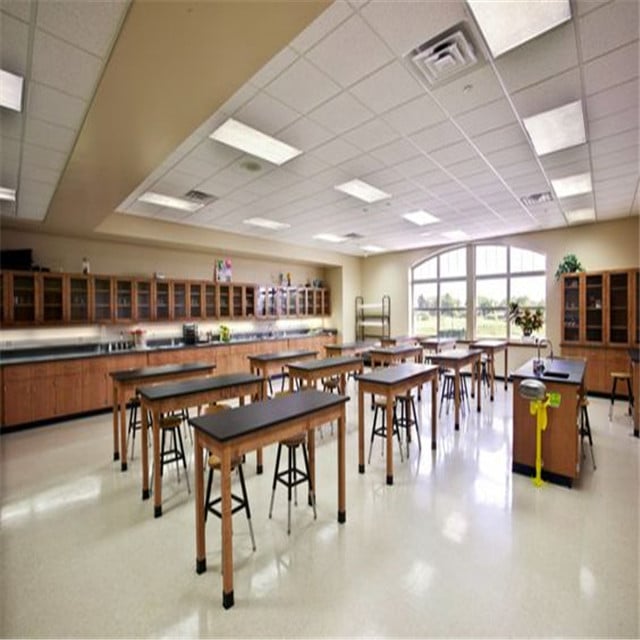
Selecting the right compact laminate for your project requires careful evaluation of multiple technical and practical factors. Whether you're outfitting a gymnasium, designing public restrooms, creating laboratory countertops, or building durable furniture, the choice of compact laminate will directly impact longevity, maintenance costs, safety performance, and aesthetic appeal. Understanding the key decision criteria ensures you invest in materials that deliver both immediate functionality and long-term value across diverse industrial and commercial applications.
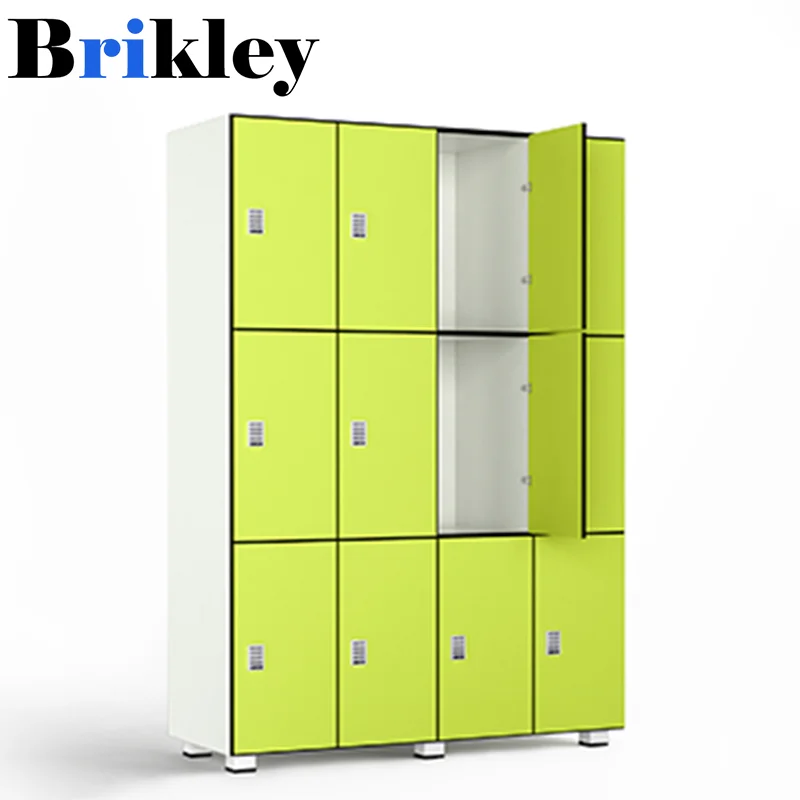
This guide explores the essential factors that distinguish high-performance compact laminate products from mediocre alternatives. By examining durability standards, environmental resistance, design options, installation requirements, and cost considerations, you'll gain the confidence to select compact laminate that aligns with your specific use case and performance expectations. The decision framework presented here reflects industry best practices and real-world application insights.
Durability and Impact Resistance
Impact Performance in High-Traffic Areas
Compact laminate performance under impact stress is fundamental to long-term value. Materials designed for gymnasiums, locker rooms, and recreational facilities must withstand repeated collisions, dropped objects, and forceful contact without cracking, splintering, or delaminating. When evaluating compact laminate durability, examine impact test certifications such as EN 438 or equivalent standards that measure resistance to mechanical shock. The thickness of compact laminate layers, resin composition, and fiber reinforcement all contribute to impact resistance capacity. Thicker variants of compact laminate generally offer superior protection in environments where abuse potential is high.
Wear Layer Thickness and Surface Protection
The protective wear layer of compact laminate directly determines how quickly the surface shows signs of aging and damage. Quality compact laminate products feature robust melamine or phenolic wear layers that resist scratching, abrasion, and surface degradation from frequent contact. Examine the total thickness specification when comparing compact laminate options; materials ranging from 8mm to 25mm exist for different applications. For high-contact surfaces like gymnasium lockers or public facility cabinetry, selecting thicker compact laminate ensures the protective layer remains effective after years of use. The wear layer of compact laminate should meet Taber abrasion resistance standards to verify performance claims.
Environmental and Chemical Resistance
Water and Moisture Protection
Moisture management stands as a critical factor when choosing compact laminate for wet environments like bathrooms, changing rooms, pools, and kitchens. Superior compact laminate formulations incorporate closed-cell resin matrices that reject water penetration at the core level, preventing swelling, warping, or internal degradation. When evaluating compact laminate water resistance, verify that edge sealing specifications include proper sealant recommendations and installation protocols. The edges of compact laminate sheets represent the most vulnerable penetration points, so sealed edges add months or years to service life. Waterproof-grade compact laminate maintains structural integrity even in direct spray or submersion scenarios, making it ideal for challenging applications.
Chemical and Stain Resistance
Industrial and commercial environments expose compact laminate surfaces to oils, solvents, cleaning agents, foodstuffs, and other chemical stressors. Quality compact laminate resists staining from coffee, grease, alcohol, and harsh disinfectants without requiring specialized sealers or finishes. Testing whether compact laminate meets EN 438 chemical resistance categories ensures the material won't degrade, discolor, or lose finish when exposed to typical workplace substances. Gymnasium and fitness facility compact laminate applications require particular attention to sweat, chlorine, and sports-related chemical exposures. Verify that your selected compact laminate withstands the specific cleaning protocols and chemical exposure patterns your facility will employ.
Aesthetic Flexibility and Design Integration
Color, Pattern, and Finish Options
Modern compact laminate offerings extend far beyond basic solid colors, enabling designers to specify wood grain mimics, stone textures, solid hues, and custom graphics. The visual diversity of compact laminate allows seamless integration into contemporary and traditional design schemes without compromising performance. When choosing compact laminate for locker systems, cabinetry, or architectural cladding, evaluate whether available finishes align with your facility's aesthetic direction and branding. Matte, gloss, and textured surface options within compact laminate ranges provide tactile and visual variety. Examine color stability of your selected compact laminate over time; premium formulations resist fading and yellowing even under prolonged UV exposure in naturally lit spaces.
Customization and Installation Compatibility
Manufacturing flexibility represents an underrated advantage when choosing compact laminate for specialized projects. High-capacity compact laminate producers can accommodate edge banding selections, adhesive backs, pre-cut dimensions, and integrated hardware mounting. The workability of compact laminate during fabrication and installation affects project timeline and labor costs. Standard-grade compact laminate cuts cleanly, routes smoothly, and accepts fasteners reliably, allowing fabricators to produce complex geometries without excessive waste. When specifying compact laminate for custom applications, confirm that your supplier can deliver pre-finished components that minimize on-site assembly requirements and maintain quality consistency.
Fire Safety and Regulatory Compliance
Fire Rating and Flammability Standards
Fire-resistant compact laminate formulations comply with stringent building codes required for public facilities, commercial buildings, and institutional spaces. When choosing compact laminate for gymnasiums, schools, offices, or healthcare environments, verify that the material meets Class A or Class 1 fire ratings depending on jurisdictional requirements. Fire-tested compact laminate products undergo extensive laboratory evaluation to determine smoke generation, flame spread, and heat release characteristics. Selecting fire-resistant compact laminate protects occupants, satisfies regulatory inspectors, and reduces insurance risk. The formulation chemistry of fire-resistant compact laminate typically includes flame-retardant additives and specialized resin systems that meet international standards such as DIN 4102 or ASTM E84.
Certification Verification and Documentation
Reputable compact laminate manufacturers provide transparent third-party certification documentation confirming compliance with safety and performance standards. Before finalizing your selection of compact laminate, request test reports verifying fire ratings, toxicity profiles, and environmental certifications. Certified compact laminate products display relevant markings and include complete technical data sheets covering installation, maintenance, and warranty information. This documentation protects your project from code violations and ensures your compact laminate choice meets all applicable regulations. Verify that your chosen compact laminate supplier maintains current certifications and can provide documentation in language appropriate for your region's building authority.
Cost Considerations and Lifecycle Value
Material Cost vs. Long-Term Performance
Compact laminate pricing varies substantially based on thickness, fire rating, aesthetic customization, and manufacturing capability. While premium compact laminate carries higher initial material cost, the extended service life, reduced replacement cycles, and minimal maintenance requirements often justify the investment through lifecycle cost analysis. Comparing budget-grade compact laminate against mid-range and premium options requires calculating total cost of ownership over ten to fifteen years, factoring in labor replacement costs and facility downtime. Compact laminate selected for high-traffic applications typically offers superior financial performance when evaluated over full operational lifespan rather than initial purchase price alone. Strategic specification of compact laminate in appropriate applications—where durability translates directly to cost savings—maximizes project return on investment.
Maintenance and Lifecycle Expenses
Low-maintenance compact laminate surfaces reduce operational expenses across decades of facility use. Unlike solid wood, textiles, or specialized coatings, compact laminate requires only routine cleaning with mild detergents and water, eliminating specialized maintenance protocols and refinishing costs. The stain and damage resistance built into quality compact laminate means fewer replacement sections or components over the material's working life. When choosing compact laminate for gymnasium lockers, changing room cabinetry, or public facility fixtures, this low-maintenance profile becomes economically significant when multiplied across hundreds of units and years of service. Facilities that specify durable compact laminate avoid reactive replacement projects, reduce labor overhead, and maintain superior asset appearance throughout extended ownership periods.
FAQ
What thickness of compact laminate is best for high-traffic applications like gymnasiums?
For gymnasium lockers, fitness facility changing rooms, and other high-impact environments, compact laminate ranging from 16mm to 25mm thickness delivers optimal durability and performance. Thicker compact laminate in this range resists denting, splintering, and delamination after repeated contact and mechanical stress. Standard 8mm or 12mm compact laminate may suit lower-impact applications like office cabinetry or cladding, but gymnasium-grade installations benefit from maximum thickness. Consult with your fabricator to determine whether your specific application needs industrial-grade thick compact laminate or whether mid-range thickness will suffice.
How does fire-resistant compact laminate differ from standard compact laminate?
Fire-resistant compact laminate incorporates specialized flame-retardant chemicals and phenolic resin compositions that slow combustion and limit toxic smoke production during fire exposure. Standard compact laminate may not meet building codes for public facilities, while fire-resistant compact laminate achieves Class A or Class 1 certifications required by regulations. The manufacturing process for fire-resistant compact laminate involves additional testing and quality control, resulting in higher material cost but mandatory compliance in schools, gyms, hospitals, and commercial buildings. Verify whether your project location requires fire-rated compact laminate by consulting local building codes and your architect's specifications.
What maintenance does compact laminate require to preserve appearance and performance?
Routine maintenance of compact laminate involves regular cleaning with mild soap and water or approved commercial cleaning agents, followed by thorough drying with soft cloths to prevent water spotting. Avoid abrasive scrubbers, harsh solvents, and excessive moisture pooling on compact laminate surfaces; these practices preserve the finish and prevent edge swelling. For gymnasium and fitness facility compact laminate lockers, weekly or twice-weekly cleaning with standard facility disinfectants maintains hygiene without degrading the material. Most quality compact laminate requires no special refinishing, sealing, or restoration over fifteen to twenty years of normal use, making it genuinely low-maintenance compared to alternative materials.