
 EN
EN
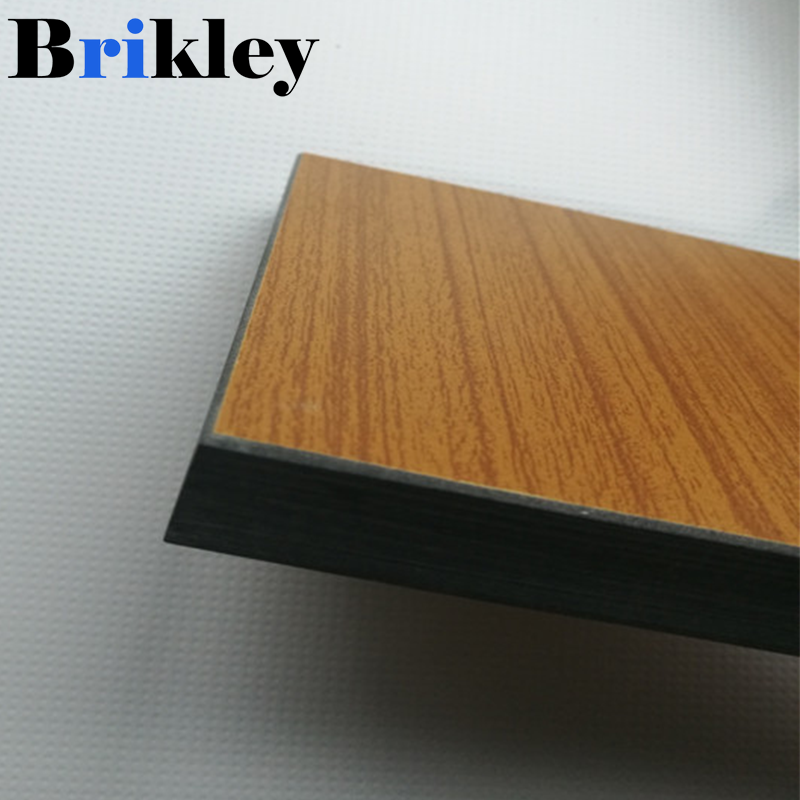
Selecting the right compact HPL for your work surfaces requires understanding material properties, performance requirements, and application-specific demands. Compact HPL, or high-pressure laminate, has become the preferred choice for laboratories, medical facilities, and industrial workstations where durability, hygiene, and chemical resistance are non-negotiable. Whether you are renovating a laboratory bench, upgrading a medical facility, or building specialized work surfaces, the decision to choose compact HPL directly impacts long-term operational costs, worker safety, and surface longevity.
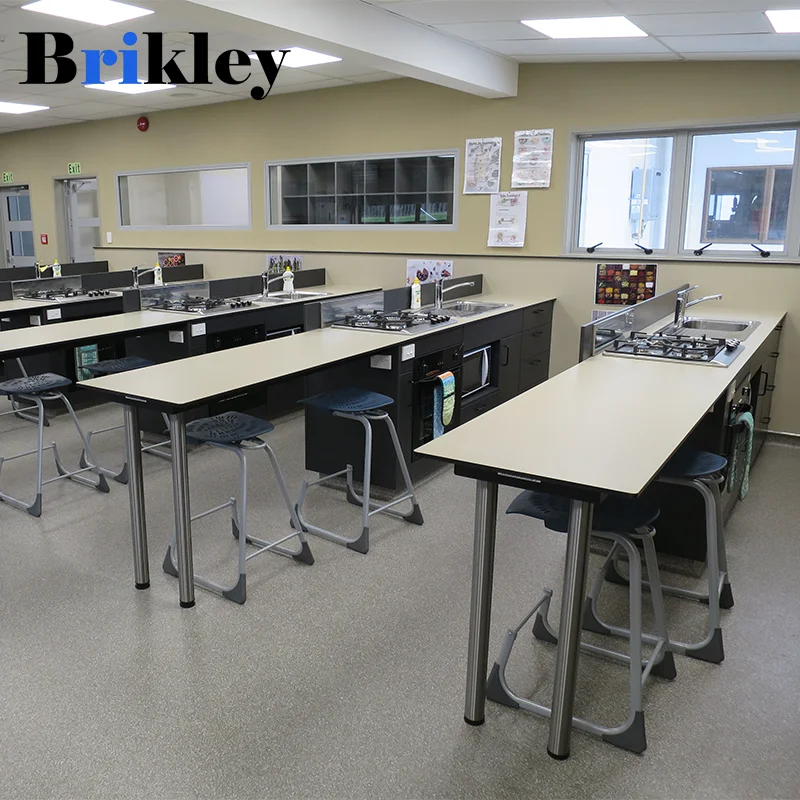
The process of selecting compact HPL is not simply about picking a product off a shelf. It involves evaluating thickness specifications, surface finishes, chemical resistance ratings, fire performance standards, and cost-effectiveness relative to your facility's specific operational environment. This guide walks you through the essential selection criteria that experienced procurement specialists and facility managers use when determining which compact HPL solution will deliver optimal performance and durability for their work surfaces.
Understanding Compact HPL Material Specifications
Core Composition and Manufacturing Process
Compact HPL is manufactured by bonding multiple layers of kraft paper under high pressure and temperature, then laminating phenolic resin onto the surface. This multi-layer construction gives compact HPL its exceptional strength-to-weight ratio compared to solid wood or traditional laminates. The manufacturing process creates a non-porous, uniform surface that resists moisture penetration, which is critical for laboratory environments where liquid exposure occurs regularly.
When evaluating compact HPL options, thickness becomes a primary consideration. Standard thicknesses range from 12mm to 30mm, with thicker variants offering superior load-bearing capacity and impact resistance. Laboratory countertops typically require at least 18mm compact HPL to support equipment weight and withstand accidental impacts without deformation. Medical facilities often specify 25mm or 30mm compact HPL to ensure maximum durability and stability for precision work.
Surface Finish and Aesthetic Selection
The surface finish of your compact HPL selection affects both functionality and maintenance requirements. Matte finishes on compact HPL surfaces reduce glare and provide a professional appearance suitable for clinical environments, though they may require more frequent cleaning to maintain visibility of spills. Gloss finishes on compact HPL work surfaces enhance light reflection and make contaminants more visible, facilitating quicker detection and cleanup of chemical or biological agents.
Color selection for compact HPL extends beyond aesthetics. Darker compact HPL finishes can absorb and retain heat, potentially affecting material stability in environments with temperature fluctuations. Light-colored compact HPL surfaces reflect thermal energy and are easier to inspect for dust or residue accumulation, making them ideal for pharmaceutical and food preparation workspaces where contamination control is essential.
Chemical Resistance and Environmental Performance Factors
Evaluating Chemical Compatibility with Your Environment
Chemical resistance is perhaps the most critical factor when selecting compact HPL for industrial and laboratory applications. Compact HPL manufactured with high-quality phenolic resin demonstrates excellent resistance to common laboratory chemicals including solvents, acids, bases, and alcohols. Before finalizing your compact HPL selection, verify resistance ratings against the specific chemicals used in your facility, such as acetone, hydrochloric acid, isopropyl alcohol, or formaldehyde-based fixatives.
Different compact HPL formulations vary in their tolerance to aggressive chemicals and prolonged exposure conditions. Premium-grade compact HPL with superior resin systems can withstand concentrated chemical contact without discoloration, swelling, or surface degradation. Budget-conscious facilities sometimes select lower-grade compact HPL alternatives, but these may require more frequent replacement or surface refinishing when exposed to harsh laboratory reagents, ultimately increasing total cost of ownership beyond the initial savings.
Moisture and Humidity Resistance
Moisture resistance directly determines how long your compact HPL investment will survive in humid or wet environments. High-quality compact HPL maintains dimensional stability even when exposed to persistent moisture, preventing warping, edge swelling, or delamination that compromises work surface integrity. Medical sterilization environments, where steam autoclave cleaning occurs regularly, demand compact HPL specifications that explicitly guarantee performance under high-humidity conditions.
Water absorption testing is a key metric when selecting compact HPL for your facility. Premium compact HPL formulations show water absorption rates below 1 percent after 24-hour immersion, meaning edges and seams remain stable and protected. Lesser-quality compact HPL products may exhibit absorption rates exceeding 2 percent, increasing vulnerability to microbial growth at seams and edge areas where moisture becomes trapped.
Regulatory Compliance and Safety Standards
Fire Performance and Safety Certifications
Selecting compact HPL requires verification that your choice meets applicable fire safety regulations and building codes specific to your jurisdiction. Many facilities require compact HPL that achieves Class A or Class B fire ratings, meaning the material limits flame spread and does not produce excessive smoke when exposed to high temperatures. Laboratory environments frequently demand compact HPL that carries UL or similar certification proving compliance with established fire performance standards.
Phenolic resin-based compact HPL naturally exhibits superior fire resistance compared to melamine laminates or standard composite materials. This inherent property means your facility benefits from enhanced worker safety without requiring specialized surface treatments or coatings that might degrade chemical resistance or increase maintenance burden. When comparing compact HPL products, always request third-party fire testing documentation rather than relying solely on manufacturer claims.
Hygiene Standards and Microbiological Performance
Healthcare facilities and pharmaceutical laboratories selecting compact HPL must ensure the material meets established hygiene and contamination control standards. Food-contact grade compact HPL formulations pass NSF International and FDA certifications, ensuring the material does not leach harmful substances when exposed to food or pharmaceuticals. Even if your facility does not directly work with food, selecting food-grade compact HPL provides an additional assurance of material purity and microbiological safety.
The non-porous nature of compact HPL work surfaces inherently resists bacterial colonization compared to porous wood or unsealed concrete alternatives. Medical-grade compact HPL formulations include antimicrobial additives that further reduce pathogen survival on work surfaces between cleaning cycles. These specifications matter significantly in surgical preparation areas, diagnostic laboratories, and pharmaceutical manufacturing environments where cross-contamination risks threaten product quality and patient safety.
Practical Selection Considerations and Budget Optimization
Installation Method and Edge Finishing Options
How your chosen compact HPL will be installed affects both durability and cost considerations. Postformed compact HPL edges, where the material wraps around counter edges for seamless appearance, offer superior water protection at critical joints where moisture typically penetrates. Banding or edge trim applied to flat compact HPL surfaces provides adequate protection at lower cost but requires precise installation and periodic maintenance to prevent separation or water infiltration.
Facilities with aggressive cleaning protocols benefit from selecting compact HPL with thermoformed or seamless edge options that eliminate vulnerable joint areas. Laboratory environments where frequent high-pressure washing occurs should prioritize compact HPL products with fully bonded edge protection rather than mechanical attachment methods. The slightly higher initial investment in premium edge finishing on your compact HPL selection often prevents costly edge replacement and extends overall surface lifespan significantly.
Cost-Benefit Analysis and Long-Term Value Assessment
Comparing compact HPL pricing requires looking beyond initial square-foot cost to assess total lifecycle value over 15-20 years of operational use. compact HPL selections that cost 15-20 percent more upfront often demonstrate superior durability, requiring less frequent refinishing, fewer repairs, and lower replacement frequency. Facilities that prioritize lowest initial cost may experience higher total expenses through replacement cycles, damage claims, and operational disruptions caused by surface failures.
Strategic procurement involves comparing warranty periods, maintenance requirements, and expected lifespan when selecting compact HPL for your facility. Premium-grade compact HPL often carries 10-year warranties with explicit performance guarantees, while standard compact HPL products may offer only 3-5 year coverage. By factoring maintenance costs, replacement frequency, and operational impact into your decision-making process, you can select compact HPL that genuinely optimizes your facility's budget while maintaining safety and performance standards.
FAQ
What is the minimum thickness of compact HPL recommended for laboratory workbenches?
Laboratory workbenches typically require a minimum thickness of 18mm compact HPL to support standard equipment weight and withstand accidental impacts without noticeable deflection. Many research facilities and medical laboratories actually specify 25mm or 30mm compact HPL to provide additional safety margins for heavy instrumentation or aggressive use patterns. Thicker compact HPL also provides superior sound dampening and vibration isolation, which can improve precision work quality in sensitive analytical environments.
Can compact HPL withstand autoclave sterilization temperatures in medical facilities?
Premium-grade compact HPL formulations specifically designed for medical applications can withstand periodic autoclave exposure at standard sterilization temperatures around 121°C (250°F). However, regular or prolonged steam exposure requires verification that your selected compact HPL carries explicit medical-grade certification and that edge joints are properly sealed to prevent moisture infiltration. It is advisable to verify exact temperature and humidity tolerance specifications with your compact HPL supplier before specifying the material in autoclave-adjacent areas or high-frequency sterilization environments.
How does compact HPL compare to alternative work surface materials in terms of durability?
Compact HPL significantly outperforms traditional laminate, solid wood, and unsealed concrete in most industrial and laboratory environments due to its superior chemical resistance, moisture impermeability, and dimensional stability. Solid surface materials like acrylic or polyester offer comparable durability but typically cost 30-50 percent more and require professional refinishing for damage repair. Stainless steel provides excellent chemical resistance but conducts heat poorly and costs substantially more than premium compact HPL, making it economically suitable only for specialized applications where magnetic properties or extreme temperature tolerance justify the investment.