
 EN
EN
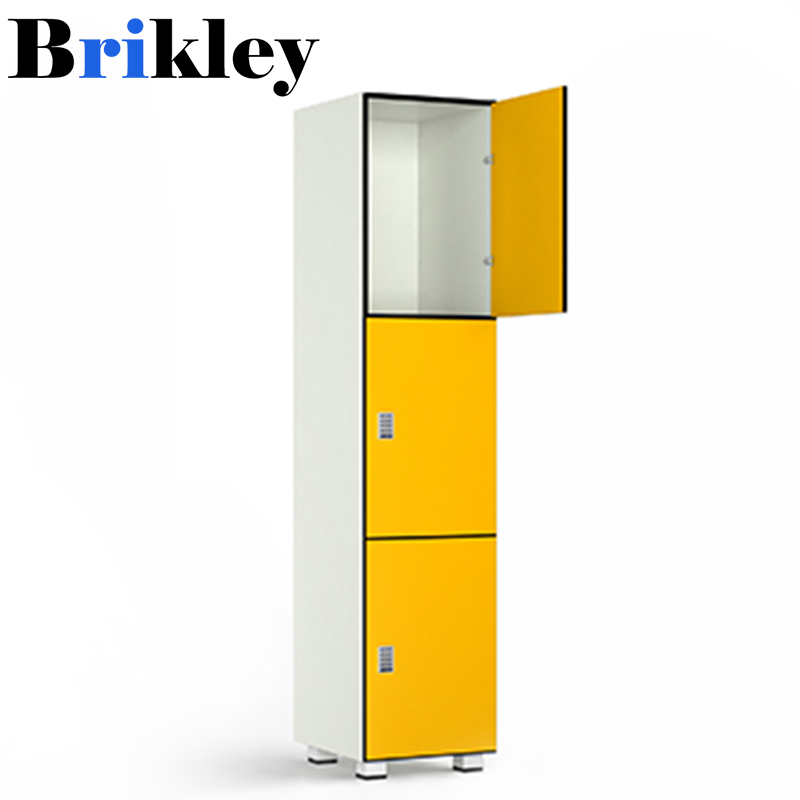
Gym lockers take a beating every single day. Between wet towels, sweaty gear, metal locks, and constant opening and closing, gym lockers face a level of daily wear that most storage furniture simply does not. For facility managers and gym owners, keeping these units in top condition is not just about appearances — it directly affects operational cost, member satisfaction, and long-term asset value.
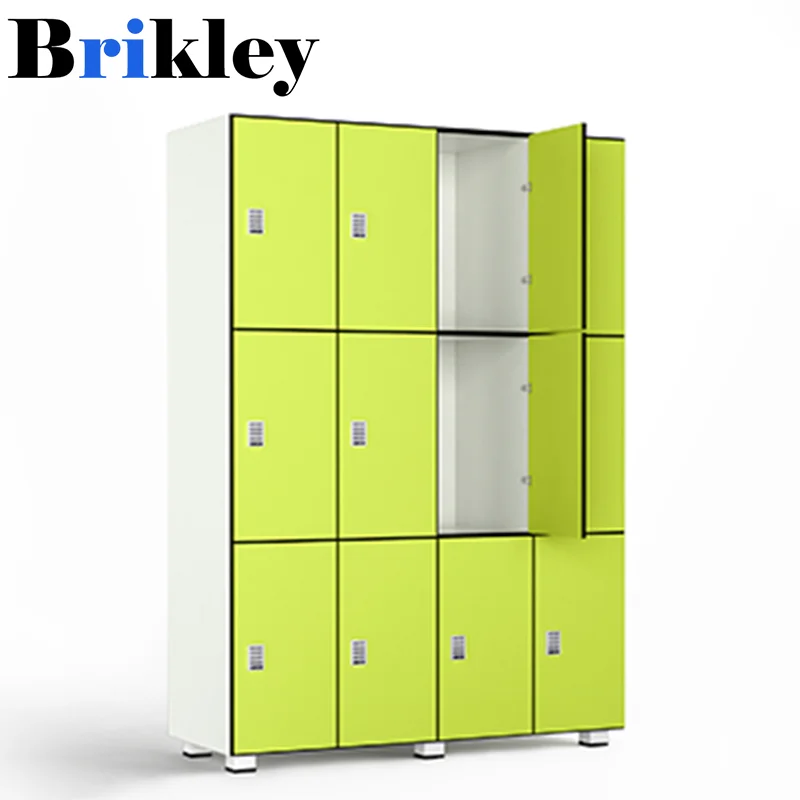
The good news is that with the right maintenance habits, gym lockers can remain functional and presentable for many years beyond their average service life. This article outlines the most effective maintenance practices that extend the life of gym lockers, covering routine cleaning, hardware upkeep, structural inspection, and environmental controls that every facility should follow.
Routine Cleaning and Surface Care for Gym Lockers
Why Regular Cleaning Matters for Gym Lockers
The locker room environment is uniquely hostile to materials. Humidity from showers, chlorine tracked in from pools, sweat residue, and chemical cleaning agents all accumulate on gym lockers over time. Without consistent surface care, these elements cause discoloration, delamination, rust, and structural weakening. Cleaning gym lockers regularly prevents these problems from compounding into costly repairs.
For HPL-surfaced gym lockers, a mild detergent solution applied with a soft cloth is sufficient for daily wipe-downs. Abrasive scrubbers and bleach-based sprays should be avoided, as they erode protective laminate layers. Gym lockers made with high-pressure laminate panels are specifically engineered to resist moisture and impact, but that resistance only holds when surfaces are maintained properly. A consistent cleaning schedule — ideally daily for high-traffic areas — keeps gym lockers looking new and structurally sound.
Addressing Mold, Mildew, and Odor in Gym Lockers
Mold and mildew are common enemies of gym lockers in humid environments. These biological threats grow in gaps, hinges, ventilation slots, and locker interiors when moisture is left unaddressed. Facilities should treat gym lockers with an antimicrobial spray at least once per week, focusing on interior corners and ventilation panels. Ensuring that gym lockers have adequate airflow — either through ventilated doors or strategic room layout — dramatically reduces mold growth. Odor control is equally important, as persistent smells signal trapped moisture and potential biological buildup inside gym lockers.
Hardware Maintenance and Lock System Care
Keeping Hinges, Handles, and Locking Mechanisms in Good Condition
The mechanical components of gym lockers endure thousands of open-and-close cycles per year. Hinges, door handles, and locking systems require periodic inspection and lubrication to remain reliable. For standard mechanical locks on gym lockers, a dry lubricant or graphite powder applied every three to six months prevents jamming and reduces friction wear. Avoid oil-based lubricants near HPL surfaces, as these can attract dust and cause surface staining on gym lockers over time.
Electronic combination locks, which are increasingly used on modern gym lockers, require a different maintenance approach. Battery replacement cycles should be tracked carefully to avoid lockouts. Facilities should keep a log of battery change dates and test electronic locks on gym lockers quarterly. Firmware or software updates, where applicable, should also be applied to keep the lock systems on gym lockers functioning securely and reliably.
Tightening Fasteners and Inspecting Structural Components of Gym Lockers
Over time, the screws and fasteners that hold gym lockers together can loosen from vibration, humidity, and user impact. A quarterly walk-through inspection of all gym lockers should include checking door alignment, tightening exposed screws, and confirming that mounting brackets are secure. Doors that sag or misalign on gym lockers place excessive stress on hinges and can cause premature failure. Catching and correcting these issues early extends the operational life of gym lockers significantly and prevents member complaints.
Environmental Controls and Long-Term Structural Protection
Managing Humidity and Ventilation Around Gym Lockers
The single biggest factor shortening the service life of gym lockers is prolonged exposure to high humidity. Even the most durable gym lockers — including those built with fire-resistant and waterproof HPL panels — benefit from a well-ventilated locker room. Facilities should invest in adequate exhaust fans, dehumidifiers, and proper HVAC systems to regulate moisture levels. Gym lockers positioned near shower entrances or pool access points are most at risk and should receive more frequent inspections and ventilation support.
Flooring drainage and slope design also play a supporting role. Water pooling on floors directly around gym lockers accelerates base panel degradation. Using locker feet or raised base frames allows air circulation underneath gym lockers and prevents moisture from wicking into the panel edges. This simple structural detail is often overlooked but has a measurable impact on how long gym lockers last in wet-area facilities.
Refinishing, Touch-Up, and When to Replace Panels on Gym Lockers
Even well-maintained gym lockers will eventually show surface wear in high-contact zones such as door edges, handle areas, and lower panels. Many HPL-based gym lockers allow for panel replacement without replacing the entire unit. Facilities that maintain an inventory of matching replacement panels can refresh worn gym lockers cost-effectively, extending the functional life by several additional years. Touch-up edge banding can also seal exposed panel edges on gym lockers and prevent moisture intrusion that leads to swelling.
Proactive surface management is far more economical than emergency replacement. Facilities that treat gym lockers as long-term capital investments rather than consumable items consistently achieve better ROI and lower per-unit lifecycle costs. Scheduling a formal annual audit of all gym lockers — covering surfaces, hardware, structure, and locking systems — helps facilities stay ahead of deterioration and make informed decisions about repair versus replacement.
FAQ
How often should gym lockers be professionally inspected?
Gym lockers should receive a thorough professional inspection at least once per year. For high-traffic facilities where gym lockers are used by hundreds of members daily, a semi-annual inspection schedule is strongly recommended. This ensures that hardware wear, surface damage, and structural issues on gym lockers are identified and resolved before they become costly problems.
What materials in gym lockers are most resistant to humidity and daily wear?
High-pressure laminate, commonly known as HPL, is widely regarded as the most durable material for gym lockers in humid environments. HPL gym lockers offer resistance to moisture, impact, and many common chemicals. Choosing gym lockers with HPL surfaces and waterproof core panels significantly reduces maintenance burden and extends service life in demanding locker room conditions.
Can electronic locks on gym lockers be maintained without professional help?
Yes, most routine maintenance for electronic locks on gym lockers can be performed in-house. This includes replacing batteries on a scheduled cycle, testing lock responsiveness quarterly, and cleaning the lock face to remove dust and residue. For more complex issues such as lock malfunctions or programming errors on gym lockers, contacting the manufacturer or a certified technician is advisable to avoid voiding warranties.