
 EN
EN
Compact laminate has become one of the most sought-after materials in contemporary interior design, and for good reason. Whether used in commercial washrooms, hotel lobbies, office partitions, or retail environments, compact laminate delivers a combination of strength, aesthetics, and long-term performance that few other panel materials can match. As designers and contractors look for solutions that balance function with visual appeal, compact laminate consistently rises to the top of the specification list.
Understanding why compact laminate is popular requires looking beyond surface appearance. The material is manufactured by bonding multiple layers of resin-impregnated kraft paper under high pressure and temperature, resulting in a dense, solid panel. Unlike surface-applied laminates, compact laminate carries its decorative layer throughout the entire thickness, making it exceptionally resistant to damage, moisture, and wear. This structural integrity is a core reason why compact laminate is preferred across demanding interior applications worldwide.
The Durability Advantages of Compact Laminate
Impact and Scratch Resistance
One of the most frequently cited reasons why compact laminate is popular is its outstanding resistance to physical damage. In high-traffic environments such as airports, hospitals, schools, and public restrooms, surfaces are subjected to constant impact, scratching, and abrasion. Compact laminate panels are engineered to withstand these conditions without showing significant wear. The hardness of compact laminate far exceeds that of wood-based panels or standard laminates, which means walls, cubicles, and partitions remain looking pristine far longer.
Contractors and interior fit-out teams appreciate that compact laminate does not chip or crack easily under normal working conditions. Even when compact laminate panels are cut, drilled, or routed for installation, the edges remain clean and stable. This workability makes compact laminate a practical choice for complex interior projects where precision is essential.
Moisture and Fire Resistance
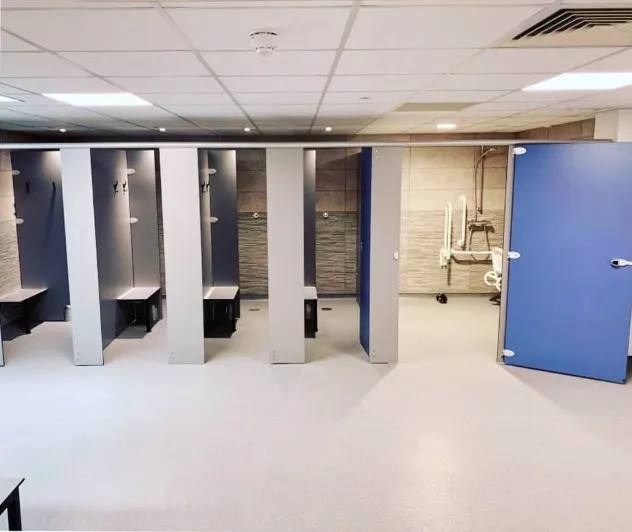
Compact laminate performs exceptionally well in moisture-rich environments. Because compact laminate is a homogeneous solid panel, it does not swell, warp, or delaminate when exposed to humidity or water splash. This characteristic makes compact laminate the preferred material for shower rooms, bathroom cubicles, wet areas, and commercial toilet partitions. The non-porous surface of compact laminate also inhibits bacterial growth, which is an important hygiene benefit for healthcare and food service facilities.
In addition to moisture resistance, compact laminate offers a degree of fire resistance that aligns with building safety standards. Many compact laminate panels are manufactured to comply with fire rating classifications, making them suitable for use in public buildings where fire safety is a regulatory requirement. The ability of compact laminate to meet both moisture and fire performance criteria in a single product is a significant driver of its popularity in modern interiors.
Design Versatility of Compact Laminate
Wide Range of Colors and Finishes
Beyond performance, compact laminate is popular because it offers designers an extensive palette of colors, textures, and surface finishes. From wood grain and stone effects to solid colors and metallic tones, compact laminate can be produced to suit virtually any design concept. This versatility allows compact laminate to integrate seamlessly into both contemporary minimalist interiors and more classic or traditional design schemes.
Modern interior designers appreciate that compact laminate maintains its color consistency and surface quality over time. Unlike painted surfaces that fade or peel, the decorative layer of compact laminate is embedded within the panel itself, so the appearance remains stable even after years of use. The ability to specify compact laminate in a wide variety of aesthetics without compromising durability makes it a valuable tool in the designer's specification toolkit.
Application Flexibility Across Interior Projects
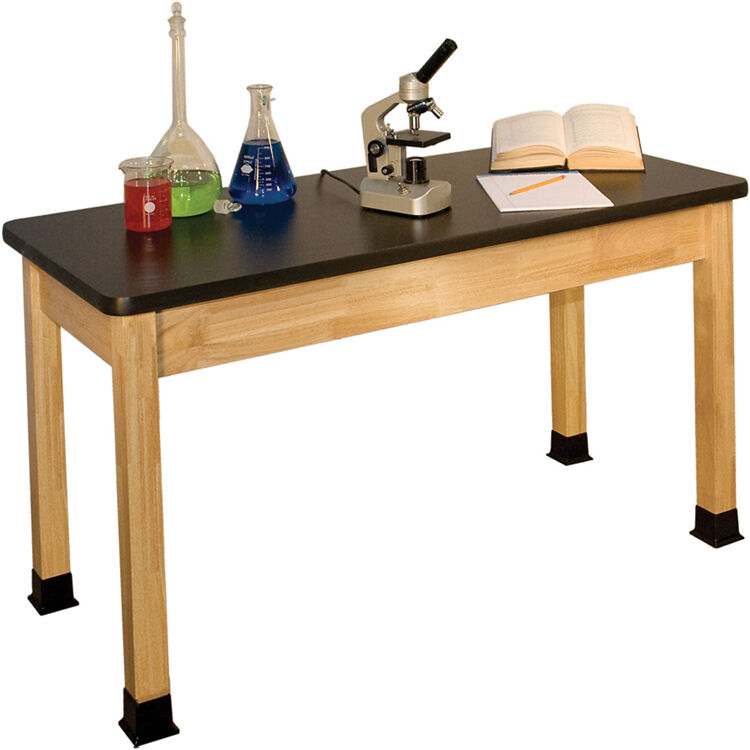
Compact laminate is used across a broad spectrum of interior applications. It is particularly prominent in toilet cubicle systems, shower room partitions, wall cladding, locker panels, laboratory furniture, and commercial fit-outs. The rigid structure of compact laminate means it can be used as a self-supporting panel without requiring a separate substrate, which simplifies installation and reduces overall project costs. For hotel interiors, office renovations, and retail upgrades, compact laminate provides a complete solution that is both practical and visually refined.
The adaptability of compact laminate also extends to its thickness range. Compact laminate panels are available in multiple thicknesses, from thin cladding panels to thicker boards used for structural partitions. This range means that compact laminate can be specified correctly for each application, whether the priority is weight reduction, structural support, or surface protection.
Long-Term Value and Sustainability of Compact Laminate
Low Maintenance Requirements
Compact laminate is a low-maintenance material, which is a key reason for its continued popularity in busy commercial environments. Cleaning compact laminate surfaces requires only standard cleaning agents and a damp cloth. The non-porous nature of compact laminate means stains, graffiti, and contaminants can be removed easily without specialist products. Over the life of a building, the reduced maintenance burden of compact laminate translates directly into cost savings and operational efficiency.
Building owners and facilities managers value compact laminate because it retains its original appearance without requiring repainting, refinishing, or replacement on the same schedule as many alternative materials. The long service life of compact laminate installations makes the upfront investment cost-effective when considered across a building's lifecycle.
Sustainability Considerations
The sustainability profile of compact laminate is increasingly relevant to modern interior specifications. Many compact laminate manufacturers produce panels using responsibly sourced fiber and low-emission resins, supporting green building standards. The durability of compact laminate also means less frequent replacement, reducing waste over time. Specifying compact laminate in a project can contribute to achieving sustainability certifications and demonstrates a commitment to responsible material selection.
FAQ
What makes compact laminate different from standard laminate?
Unlike standard laminate, which is a thin surface layer bonded to a substrate, compact laminate is a solid, through-colored panel made entirely from resin-impregnated layers. This means compact laminate has no substrate to swell or delaminate, giving it superior durability, moisture resistance, and structural integrity.
Is compact laminate suitable for outdoor or semi-outdoor applications?
Compact laminate is primarily designed for interior use, but certain grades of compact laminate are engineered for exterior cladding and semi-outdoor environments. These exterior-grade compact laminate panels incorporate UV-resistant surfaces and additional moisture protection to maintain performance and appearance when exposed to weather conditions.
How long does compact laminate typically last in a commercial interior?
When properly installed and maintained, compact laminate installations in commercial interiors can last well over 20 years. The inherent hardness and stability of compact laminate mean that surfaces resist the wear and damage that would require earlier replacement in materials such as painted MDF, solid wood, or standard laminate-faced boards.