
 EN
EN
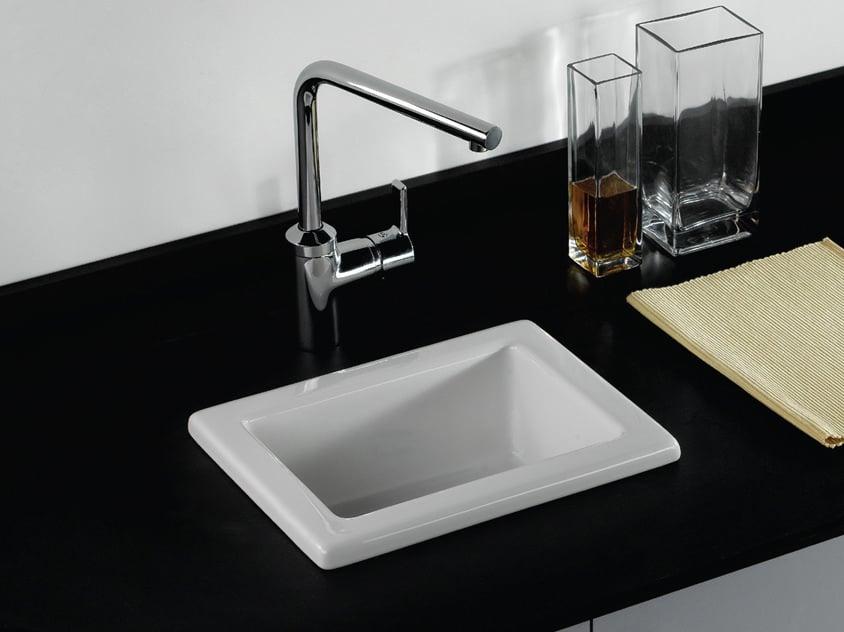
Chemical resistant board is engineered to withstand harsh laboratory and industrial environments where exposure to corrosive substances is routine. Despite its robust construction, proper maintenance significantly extends the lifespan and performance of chemical resistant board installations, ensuring your investment remains functional and safe for years to come. Understanding how to care for chemical resistant board prevents premature degradation and maintains its protective properties against chemical spills and daily wear.
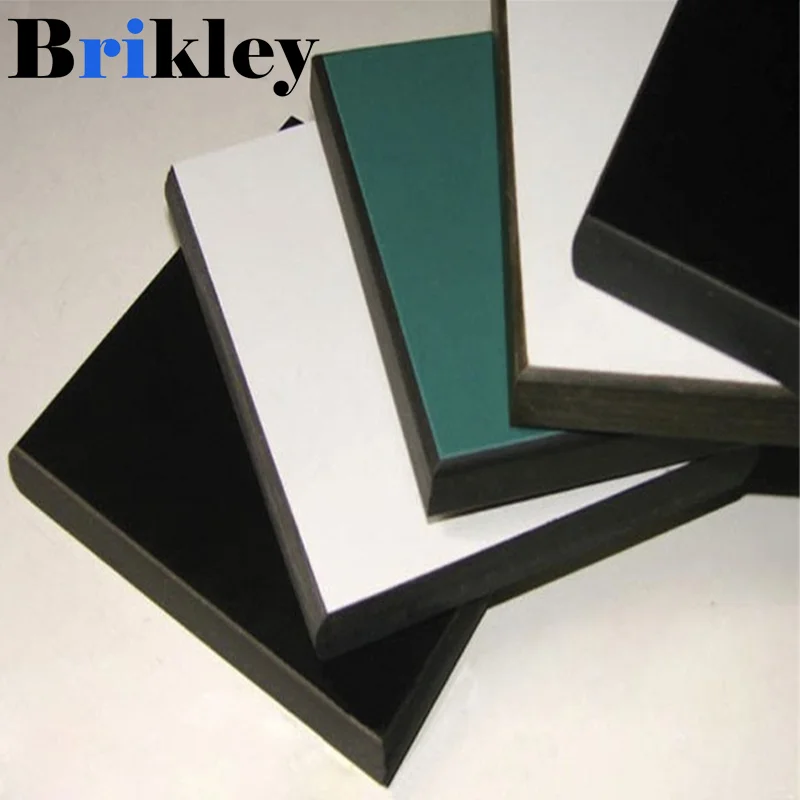
Maintaining chemical resistant board requires a proactive approach that combines regular cleaning, immediate response to spills, and preventive protection strategies. When properly maintained, chemical resistant board delivers superior durability and cost-effectiveness compared to materials that require frequent replacement. This guide covers the essential maintenance practices that laboratory managers, facility supervisors, and end users should implement to maximize the longevity of their chemical resistant board surfaces.
Routine Cleaning Practices for Chemical Resistant Board
Daily and Weekly Cleaning Routines
Establishing consistent daily cleaning routines keeps chemical resistant board surfaces free from dust, debris, and residual chemical films that can accumulate over time. Using warm water with mild soap or laboratory-approved detergents effectively removes most surface contaminants without compromising the integrity of chemical resistant board. Weekly deep cleaning sessions targeting high-traffic areas and frequently used sections of chemical resistant board prevent buildup that could mask damage or compromise the surface appearance.
The cleaning tools you select directly impact the longevity of your chemical resistant board installation. Soft microfiber cloths and non-abrasive sponges are ideal for chemical resistant board maintenance, as they remove dirt without scratching the surface. Avoid wire brushes, steel wool, and harsh abrasive pads that can damage the protective layer of chemical resistant board and expose underlying materials to accelerated wear.
Chemical Compatibility and Cleaning Solutions
Selecting appropriate cleaning solutions is crucial for maintaining chemical resistant board performance and appearance. While chemical resistant board is designed to resist many substances, some cleaning products may contain chemicals incompatible with your specific board formulation. Always verify that your chosen cleaning products are safe for chemical resistant board by consulting manufacturer documentation or testing on a small inconspicuous area first.
Neutral pH cleaners are generally the safest option for chemical resistant board maintenance, as they clean effectively without introducing potentially damaging substances. Avoid acidic or alkaline cleaners that could gradually degrade the surface finish of chemical resistant board. For laboratory settings, pharmaceutical-grade disinfectants formulated to work with chemical resistant board surfaces ensure both cleanliness and material compatibility.
Immediate Response and Spill Management
Quick Action Protocols for Chemical Spills
Rapid response to chemical spills dramatically affects how well your chemical resistant board withstands exposure over its operational lifetime. The moment a spill occurs on chemical resistant board, remove excess liquid immediately using paper towels or absorbent materials appropriate for the spilled substance. Prompt action prevents chemicals from seeping into seams, edges, or any microscopic surface damage that could compromise the structural integrity of chemical resistant board.
Different chemical spills require different handling procedures to protect chemical resistant board effectively. Acidic spills need different neutralization than alkaline spills, so staff should understand basic spill response protocols specific to the chemicals used in your facility. Having spill kits readily accessible near work stations where chemical resistant board is installed ensures immediate action can occur before chemicals cause lasting damage.
Post-Spill Cleaning and Surface Inspection
After removing the bulk of a chemical spill from chemical resistant board, thorough cleaning with appropriate solvents removes residual chemical films that could cause discoloration or surface degradation. Allow chemical resistant board surfaces to dry completely after spill cleanup, as trapped moisture can lead to edge swelling or delamination in some installations. Following cleanup, inspect the affected area of chemical resistant board carefully for any visible damage, discoloration, or texture changes that might indicate chemical penetration.
Document significant spill incidents on your chemical resistant board surfaces, noting the type of chemical, spill size, and any observed damage. This record helps you track whether certain chemicals consistently cause problems with your chemical resistant board, informing future purchasing decisions or material adjustments. If chemical resistant board shows persistent staining or damage after spill events, contact your supplier about potential surface treatments or upgraded chemical resistant board formulations better suited to your chemical exposure profile.
Long-Term Protection and Preventive Measures
Seal and Protective Coating Applications
Applying protective coatings specifically designed for chemical resistant board surfaces adds an extra layer of defense against chemical penetration and extends the service life of your installation. These specialized sealers create a barrier that reduces direct contact between aggressive chemicals and the chemical resistant board substrate, preventing accelerated wear and surface degradation. Many facilities reapply protective coatings annually or every 18 months, depending on chemical exposure intensity and frequency of spill incidents affecting their chemical resistant board.
Before selecting any protective coating for your chemical resistant board, confirm chemical compatibility and ensure the product will not compromise the fire resistance or other performance characteristics of your chemical resistant board material. Some coatings can yellow or discolor over time when exposed to UV light or specific chemicals, so test any new products in inconspicuous areas before committing to full application across your chemical resistant board surfaces.
Environmental Controls and Preventive Storage
Environmental conditions directly influence how well chemical resistant board resists degradation and maintains its protective properties over extended periods. Maintaining consistent temperature and humidity levels in facilities where chemical resistant board is installed prevents expansion and contraction cycles that can stress seams, edges, and fastening points. Extreme temperature fluctuations and high humidity can accelerate degradation of chemical resistant board, particularly in areas where the board has sustained minor damage or where seams are present.
For stored or unused chemical resistant board components, maintain dry storage conditions away from direct sunlight, extreme heat, and environments where chemical vapors accumulate. Improper storage conditions can compromise the integrity of chemical resistant board before installation ever occurs, so warehouse staff should understand proper handling and storage requirements. Position chemical resistant board horizontally on flat surfaces during storage, and avoid stacking excessive weight that could cause warping or delamination of the chemical resistant board material.
FAQ
How often should chemical resistant board be professionally inspected?
Professional inspections of chemical resistant board should occur annually for high-use laboratory environments and every 18 to 24 months for moderate-use facilities. During inspections, experts assess the condition of seams, surface integrity, and any areas where chemical resistant board shows signs of degradation or chemical penetration. Early detection of problems allows for targeted repairs or preventive treatments that extend the life of your chemical resistant board significantly.
Can chemical resistant board be repaired if it sustains damage?
Minor damage to chemical resistant board can often be repaired using specialized patching compounds or edge banding materials designed for your specific chemical resistant board formulation. However, extensive damage affecting structural integrity or large areas of delamination may require partial or complete replacement of affected chemical resistant board sections. Consult with your board supplier about repair options, as attempting DIY repairs with incompatible materials can actually worsen the condition of damaged chemical resistant board.
What is the typical lifespan of well-maintained chemical resistant board?
Chemical resistant board with proper maintenance typically lasts 15 to 20 years or longer, depending on chemical exposure intensity, environmental conditions, and quality of the original chemical resistant board installation. Facilities that implement consistent cleaning protocols, respond quickly to spills, and maintain protective coatings regularly see chemical resistant board lasting well beyond the minimum expected lifespan. In contrast, chemical resistant board that receives minimal care may show significant degradation within 7 to 10 years, making maintenance investment highly cost-effective.