
 EN
EN
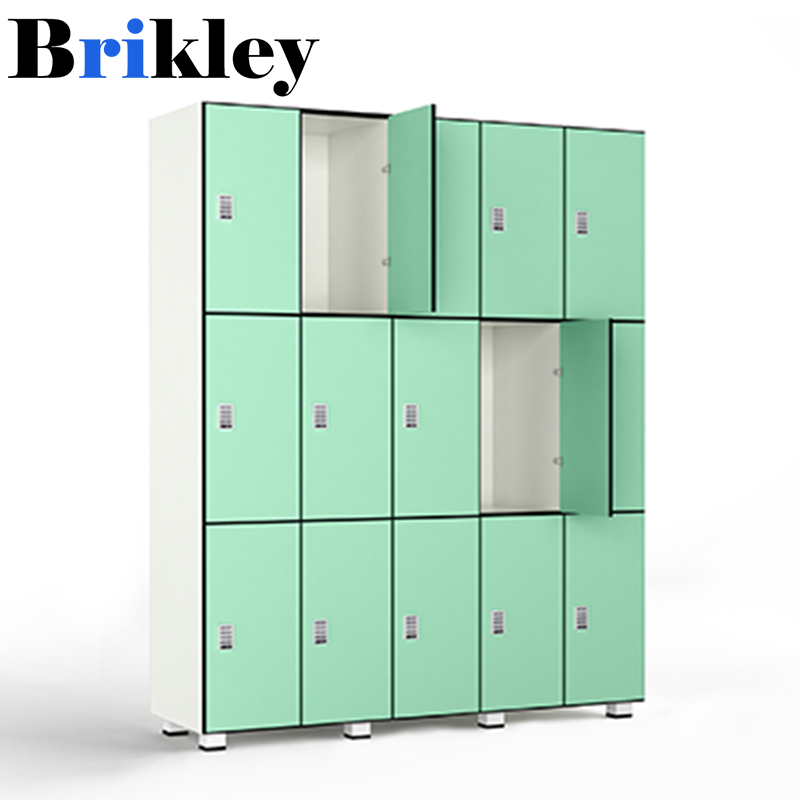
Compact HPL has emerged as a transformative material across numerous industries, offering a unique combination of durability, aesthetic flexibility, and practical performance. Organizations ranging from educational institutions to corporate offices increasingly turn to compact HPL for solutions that demand both longevity and cost-effectiveness. Understanding why compact HPL continues to gain preference requires examining the specific performance characteristics that make this material stand out in demanding environments.
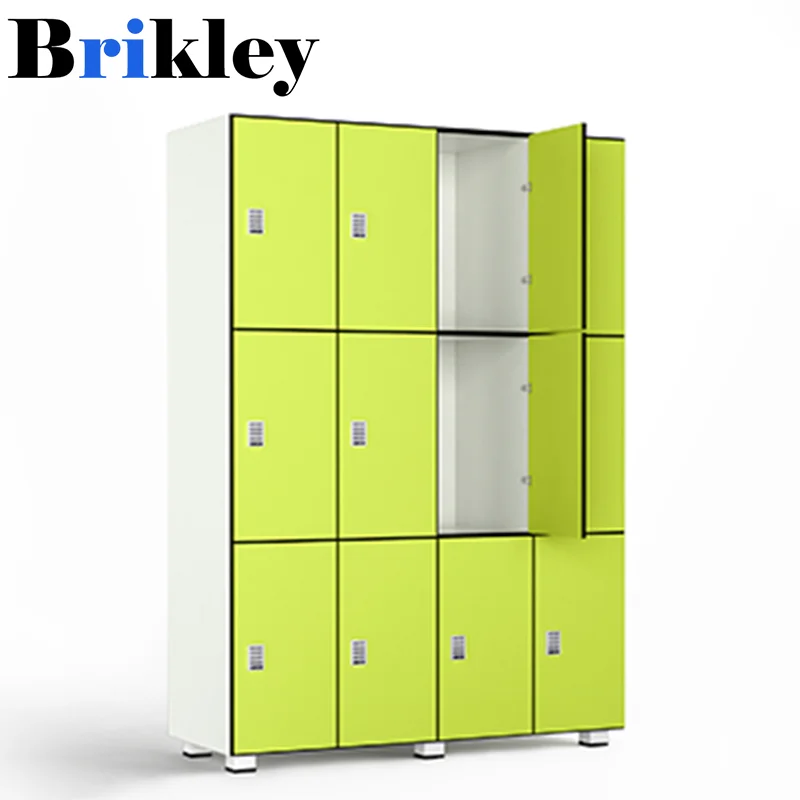
The versatility of compact HPL extends across multiple sectors and applications, each benefiting from its inherent strength and resilience. Whether facing high-traffic areas, moisture-prone environments, or spaces requiring frequent cleaning and maintenance, compact HPL delivers consistent performance. This material has proven its value in institutional, commercial, and specialized environments where reliability directly impacts operational efficiency and user satisfaction.
Superior Durability and Impact Resistance
Engineered Strength for High-Traffic Environments
Compact HPL materials are engineered through a process that creates exceptional density and structural integrity. The manufacturing process compresses multiple layers of kraft paper with phenolic resin, resulting in a material that withstands significant physical stress without degradation. This engineering makes compact HPL particularly suitable for gymnasiums, locker rooms, and fitness facilities where equipment impact and constant use are inevitable.
The inherent toughness of compact HPL means installations experience minimal scratching, denting, or surface wear even under aggressive use conditions. Educational institutions benefit tremendously from this durability, as student lockers constructed from compact HPL can endure years of daily contact without requiring replacement. The long service life of compact HPL directly translates to reduced maintenance costs and extended asset lifecycles, making it economically attractive for facility managers planning multi-year budgets.
Performance in Demanding Applications
Healthcare facilities, airports, and transit stations represent demanding environments where compact HPL excels due to its resistance to impact and stress. These spaces experience heavy foot traffic, frequent contact with sharp objects, and occasional collisions that would compromise inferior materials. Compact HPL maintains structural integrity and visual appeal despite these challenging conditions, ensuring that installations remain functionally sound and aesthetically presentable throughout their operational lifespan.
The performance data consistently demonstrates that compact HPL installations in high-stress environments show minimal deterioration over five to ten years of continuous use. This durability advantage makes compact HPL a preferred choice for designers and architects who need materials capable of performing reliably without frequent repair cycles or aesthetic degradation.
Moisture Resistance and Environmental Adaptability
Protection Against Humidity and Wet Conditions
Compact HPL exhibits superior moisture resistance compared to traditional materials, making it ideal for environments where water exposure is routine or occasional. Aquatic facilities, kitchen areas, showers, and bathroom installations all benefit from the water-repellent properties that compact HPL provides. Unlike wood-based materials that swell, warp, or develop mold when exposed to moisture, compact HPL maintains dimensional stability and resists biological growth in damp conditions.
The manufacturing process creates a non-porous surface structure that prevents water infiltration, a critical advantage for locker room installations and pool-adjacent structures. Facilities managers recognize that choosing compact HPL for moisture-prone areas eliminates costly water damage remediation, mold remediation, and material replacement cycles that plague traditional solutions. This environmental adaptability extends the practical lifespan of compact HPL installations and reduces lifecycle costs significantly.
Chemical and Cleaning Agent Compatibility
Institutional and commercial cleaning protocols often involve aggressive chemical agents, abrasive scrubbing, and industrial disinfectants necessary for hygiene maintenance. Compact HPL tolerates these rigorous cleaning methods without surface degradation, discoloration, or chemical interaction that might damage or compromise other materials. Healthcare facilities, food service areas, and public restrooms benefit from knowing that compact HPL surfaces will maintain integrity regardless of the cleaning protocols employed.
The chemical stability of compact HPL means that facility managers can employ evidence-based disinfection and cleaning procedures without concern for material damage. This compatibility with aggressive cleaning agents ensures that compact HPL installations remain hygienic, visually acceptable, and structurally sound throughout extended service periods, supporting both operational efficiency and public health objectives.
Cost Efficiency and Lifecycle Value Proposition
Initial Installation Costs and Long-Term Savings
The economic case for selecting compact HPL becomes evident when analyzing total cost of ownership across multiple years of facility operation. While compact HPL may have modest upfront material costs compared to certain alternative solutions, the dramatically extended service life and reduced maintenance requirements create significant financial advantages. Institutions implementing compact HPL locker systems, wall panels, and partitions experience fewer replacement cycles, lower repair expenses, and reduced labor costs associated with maintenance and restoration.
Facility budgets benefit from the predictability and stability that compact HPL provides. Unlike materials requiring regular refinishing, repainting, or component replacement, compact HPL installations deliver consistent performance with minimal intervention, allowing budget allocation to other operational priorities. Organizations evaluating compact HPL against alternative materials often discover that the lower lifecycle cost justifies selection, even when the initial investment appears comparable to inferior alternatives.
Aesthetic Flexibility and Design Continuity
Compact HPL offers extensive color, texture, and finish options that allow designers and facility managers to achieve desired aesthetic goals while maintaining superior performance characteristics. This design flexibility means that compact HPL selections need not compromise visual appeal for functional benefits. Commercial spaces, educational institutions, and healthcare facilities can implement compact HPL solutions that align with branding, design standards, and user experience objectives.
The stability of compact HPL's appearance over time ensures that aesthetic decisions made during installation remain valid throughout the material's service life. Unlike materials that fade, discolor, or deteriorate visually while maintaining functional integrity, compact HPL preserves both performance and appearance consistency. This dual advantage makes compact HPL particularly valuable in customer-facing environments where visual presentation contributes directly to organizational perception and user satisfaction.
FAQ
What specific industries benefit most from compact HPL applications?
Compact HPL serves diverse sectors including education, healthcare, fitness, hospitality, and transportation industries. Educational institutions value compact HPL for student lockers and bathroom partitions, healthcare facilities utilize it for patient privacy screens and wet areas, fitness centers favor compact HPL for locker installations, and transit operations deploy it for durability in high-traffic zones. Each sector selects compact HPL specifically for performance characteristics matching their operational demands and environmental conditions.
How does compact HPL perform in outdoor or exterior installations?
While compact HPL excels in interior applications, certain specialized formulations extend its use to covered outdoor environments with controlled UV exposure. Standard compact HPL may experience color fading under prolonged direct sunlight, but exterior-grade formulations of compact HPL incorporate UV stabilizers that extend outdoor functionality. Facilities considering outdoor compact HPL applications should specify exterior-rated products and ensure proper installation techniques that limit weather exposure and maintain material integrity.
What maintenance protocols ensure optimal performance of compact HPL installations?
Compact HPL requires minimal maintenance compared to alternative materials, typically involving regular cleaning with appropriate detergents and prompt attention to any standing water or excessive moisture accumulation. Standard facility cleaning protocols work effectively with compact HPL without requiring specialized products or techniques. Organizations maintain optimal performance by implementing routine inspection schedules to identify and address any physical damage promptly, ensuring that compact HPL installations continue delivering superior service throughout their extended operational lifespans.