
 EN
EN
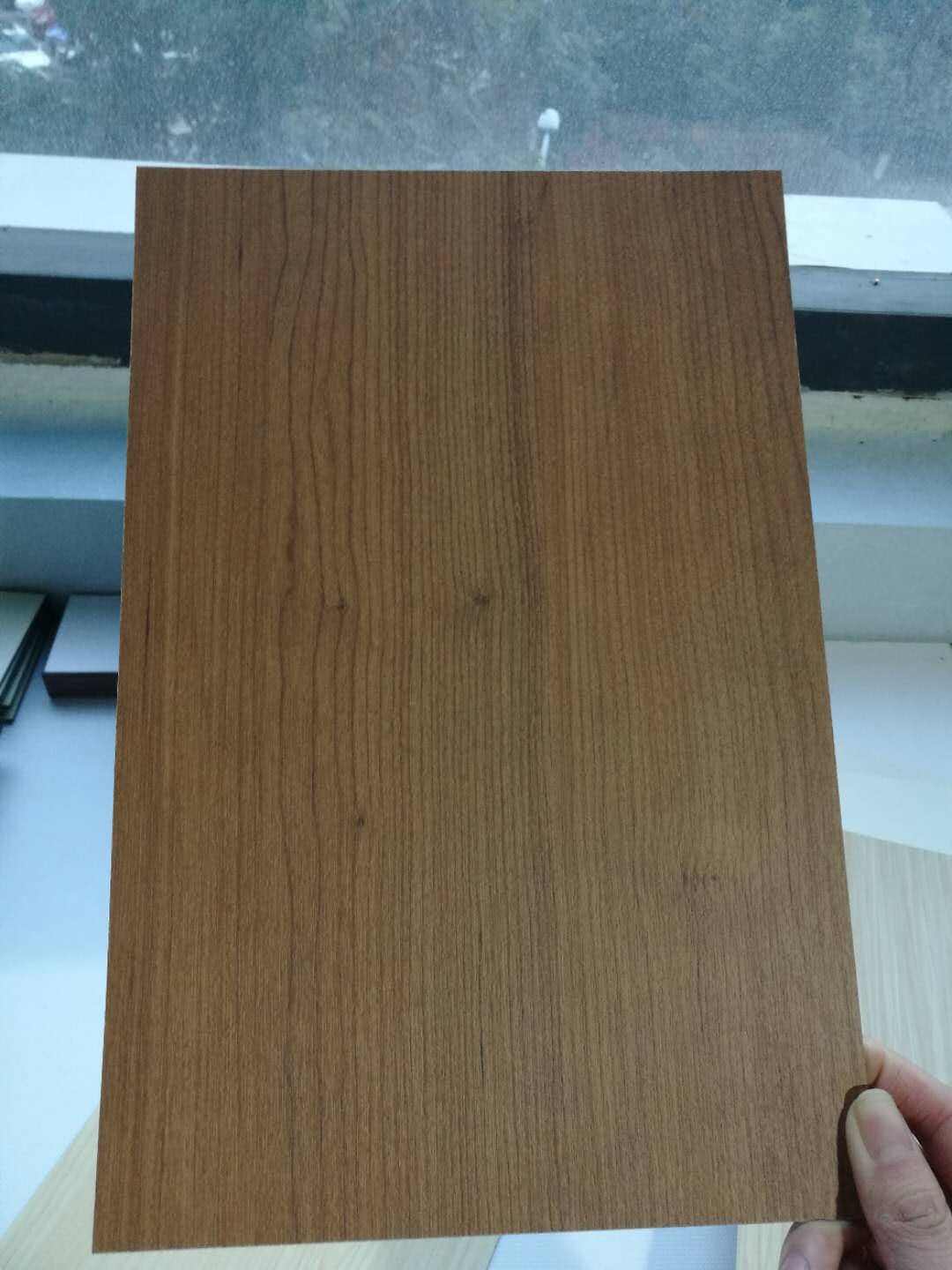
Commercial project developers and facility managers face a critical challenge when selecting surface materials that must withstand intensive daily use while maintaining aesthetic appeal and cost efficiency. High pressure laminate has emerged as the preferred choice for commercial environments ranging from office buildings and airports to educational institutions and healthcare facilities. This engineered material delivers exceptional durability, design versatility, and long-term value that traditional materials struggle to match in demanding commercial applications.
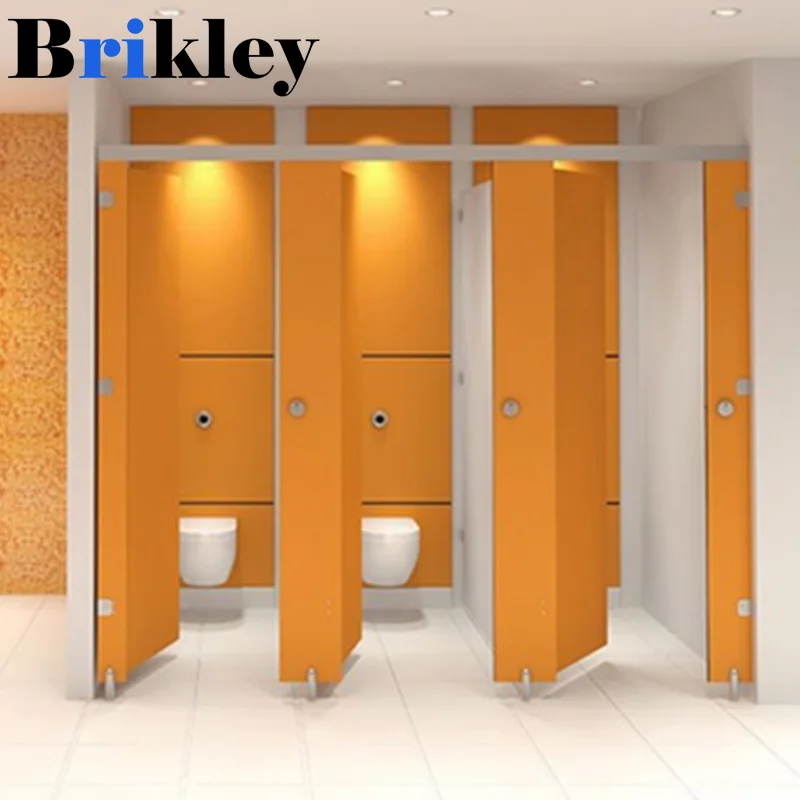
Understanding why high pressure laminate outperforms alternative materials requires examining the specific performance characteristics that matter most in commercial settings. The unique manufacturing process creates a surface material that resists scratches, impacts, moisture, and chemical exposure while offering virtually unlimited design possibilities. For commercial decision-makers responsible for balancing initial investment with lifecycle costs and maintenance requirements, the compelling advantages of high pressure laminate become evident when evaluated against real-world operational demands and long-term performance expectations.
Superior Durability That Withstands Heavy Commercial Traffic
Impact Resistance in High-Traffic Environments
Commercial spaces experience constant physical stress from equipment movement, furniture repositioning, and the daily wear patterns of hundreds or thousands of occupants. High pressure laminate demonstrates exceptional impact resistance due to its multi-layer construction and high-pressure manufacturing process that fuses decorative papers with kraft paper core layers under intense heat and pressure. This structural integrity prevents chipping, cracking, and surface damage that would compromise both appearance and function in less robust materials.
The practical implications of this impact resistance translate directly to reduced replacement cycles and maintenance interventions. Commercial facilities using high pressure laminate for partition systems, wall panels, and work surfaces report significantly lower damage-related replacement costs compared to painted surfaces, vinyl coverings, or lower-grade laminates. In airport terminals, shopping centers, and educational facilities where accidental impacts occur regularly, this durability advantage directly affects operational budgets and facility appearance standards.
Abrasion and Scratch Resistance for Long-Term Appearance
Surface scratching represents one of the most common deterioration patterns in commercial environments, particularly on horizontal work surfaces, countertops, and frequently touched vertical applications. High pressure laminate exhibits superior scratch resistance through its dense surface layer protected by melamine resin overlay that creates a hardened barrier against abrasive contact. This resistance maintains visual integrity even after years of continuous use in demanding applications.
The wear resistance of high pressure laminate becomes especially valuable in commercial projects where brand image and professional appearance directly influence customer perception and business outcomes. Reception desks, conference room surfaces, and retail display installations maintain their original appearance far longer than alternatives, deferring costly renovation cycles and preserving the intended design aesthetic. Testing standards confirm that quality high pressure laminate products withstand thousands of abrasion cycles without visible surface degradation, providing documented performance assurance for specification decisions.
Moisture and Chemical Exposure Tolerance
Commercial environments frequently involve cleaning protocols using strong disinfectants, exposure to spilled liquids, and humidity variations that challenge many surface materials. High pressure laminate resists moisture penetration through its non-porous surface structure and sealed edge treatments, preventing swelling, delamination, and bacterial growth that compromise hygiene standards and structural integrity. This moisture resistance proves essential in restroom partitions, food service areas, healthcare facilities, and any application where sanitation requirements demand regular wet cleaning.
Chemical resistance extends the practical service life of high pressure laminate installations in laboratories, industrial facilities, and commercial spaces where exposure to cleaning agents, solvents, or process chemicals occurs routinely. Unlike painted surfaces that discolor or degrade under chemical contact, or natural materials that absorb staining compounds, high pressure laminate maintains both appearance and structural properties when exposed to most common commercial chemicals. This tolerance reduces maintenance complexity and eliminates the need for specialized protective treatments or frequent refinishing.
Design Flexibility That Supports Brand Identity and Aesthetics
Unlimited Pattern and Color Options
Commercial projects require surface materials that support specific brand guidelines, design themes, and aesthetic objectives while maintaining consistency across large installations. High pressure laminate manufacturers offer extensive pattern libraries including wood grains, stone textures, solid colors, metallic finishes, and custom graphics that enable precise design realization. This variety allows architects and interior designers to specify exact visual characteristics that align with project requirements without compromising performance standards.
The photographic reproduction capability of high pressure laminate creates convincing simulations of premium materials at a fraction of the cost and maintenance burden. Commercial lobbies can achieve the appearance of exotic wood veneers or natural stone surfaces while benefiting from the superior durability and easier maintenance of high pressure laminate. Pattern consistency across production batches ensures that renovation phases or expansion projects can maintain visual continuity years after initial installation, supporting cohesive facility aesthetics over extended timeframes.
Texture and Finish Variation
Surface texture significantly influences both the visual character and practical performance of commercial installations. High pressure laminate is available in multiple finish categories including matte, textured, gloss, and specialized surfaces that provide tactile variety and address specific functional requirements. Textured finishes reduce visible fingerprints and minor scratches in high-contact applications, while matte surfaces minimize glare in office environments where lighting quality affects productivity and visual comfort.
The ability to coordinate texture with pattern creates sophisticated design outcomes that elevate commercial interiors beyond generic specifications. Rough-hewn wood grain patterns gain authenticity through corresponding textured surfaces, while contemporary solid colors achieve premium appearance through subtle texture variations. This design flexibility enables commercial projects to differentiate themselves through distinctive interior character while maintaining the practical performance advantages that high pressure laminate delivers consistently across all finish options.
Custom Printing and Branding Capabilities
Corporate environments, retail installations, and institutional facilities increasingly incorporate branded elements and custom graphics into architectural surfaces. High pressure laminate manufacturing accommodates custom printing that embeds logos, wayfinding graphics, and decorative elements directly into the surface material with permanence and clarity that surface-applied graphics cannot match. This capability transforms functional surfaces into communication tools that reinforce brand identity and enhance user experience.
The permanence of embedded graphics in high pressure laminate eliminates concerns about graphic deterioration, vandalism, or the need for protective overlays that compromise visual quality. Educational institutions can incorporate school colors and mascots into partition systems and wall panels, while corporate facilities can display brand elements that remain vibrant and intact throughout the material's service life. This integration of form and function exemplifies why high pressure laminate serves commercial projects seeking both practical durability and distinctive visual character.
Lifecycle Cost Advantages Over Alternative Materials
Reduced Maintenance Requirements and Labor Costs
Facility management budgets allocate substantial resources to cleaning, repair, and surface maintenance activities that directly impact operational costs. High pressure laminate requires only routine cleaning with standard commercial cleaners and does not need refinishing, resealing, or specialized maintenance protocols. This simplicity reduces both material costs for maintenance supplies and labor hours required to maintain appearance standards, creating quantifiable operational savings over the material's extended service life.
The non-porous surface of high pressure laminate prevents dirt accumulation and staining that necessitate intensive cleaning interventions or surface restoration. Facilities using high pressure laminate for restroom partitions, wall protection, and work surfaces report dramatic reductions in maintenance staff time compared to painted surfaces that require periodic repainting or natural materials that demand specialized care. These labor savings compound annually, making the total cost of ownership significantly lower than materials with higher maintenance demands despite potentially lower initial acquisition costs.
Extended Replacement Cycles and Capital Expenditure Deferral
Capital planning for commercial facilities must account for periodic replacement of interior finishes as materials reach the end of functional or aesthetic service life. High pressure laminate delivers documented service lives exceeding fifteen to twenty years in typical commercial applications, substantially longer than painted surfaces, vinyl wall coverings, or lower-grade laminate products. This extended durability defers capital expenditure cycles and reduces the frequency of disruptive renovation projects that interfere with facility operations.
The financial value of deferred replacement extends beyond direct material and installation costs to include avoided soft costs such as design fees, project management, temporary relocation of occupants, and business interruption. Commercial projects incorporating high pressure laminate benefit from stable interior appearance and function that supports consistent operations without the recurring disruption cycles that shorter-lived materials impose. When evaluating lifecycle costs through net present value analysis, the superior longevity of high pressure laminate often results in total ownership costs substantially below alternatives despite comparable or higher initial investment.
Sustainable Performance and Environmental Responsibility
Corporate sustainability commitments and green building certification requirements increasingly influence material selection decisions for commercial projects. High pressure laminate contributes to environmental objectives through its extended service life that reduces resource consumption associated with manufacturing, transporting, and installing replacement materials. Many high pressure laminate products incorporate recycled content and utilize responsible forestry practices for core materials, supporting LEED certification and other environmental performance frameworks.
The durability that makes high pressure laminate economically advantageous also delivers environmental benefits by minimizing waste generation from premature material failure and replacement cycles. Commercial facilities committed to reducing environmental impact find that specifying durable materials like high pressure laminate aligns financial and sustainability objectives, creating win-win outcomes that support both operational efficiency and corporate responsibility goals. Low-emission formulations and responsible manufacturing practices further enhance the environmental profile of quality high pressure laminate products.
Installation Efficiency and Project Schedule Benefits
Simplified Installation Processes
Construction schedules and project timelines impose constraints that favor materials offering installation efficiency without compromising quality outcomes. High pressure laminate panels arrive at job sites as finished components requiring only cutting, fitting, and fastening operations that standard carpentry crews can complete without specialized training or equipment. This straightforward installation contrasts favorably with tile work requiring substrate preparation and grouting, or millwork demanding complex joinery and multiple finishing steps.
The dimensional stability of high pressure laminate throughout the installation process prevents delays caused by material warping, moisture-related expansion, or curing requirements that extend project timelines. Installers can proceed continuously without waiting periods, and completed installations become immediately serviceable without off-gassing concerns or finish curing times. For commercial projects facing occupancy deadlines or phased construction schedules, these installation advantages translate directly to schedule certainty and reduced construction administration costs.
Prefabrication and Quality Control
Many high pressure laminate applications benefit from prefabrication in controlled shop environments where precision cutting, edge finishing, and quality inspection occur before site delivery. Partition systems, countertops, and paneling assemblies can arrive as complete units ready for final installation, dramatically reducing on-site labor requirements and eliminating field construction variables that affect quality consistency. This prefabrication capability proves especially valuable in occupied renovation projects where minimizing on-site disruption represents a critical success factor.
Quality control in factory settings ensures consistent fabrication standards and eliminates the variability inherent in field-applied finishes or site-assembled components. High pressure laminate installations benefit from precise tolerances, uniform edge treatments, and consistent appearance that reflects controlled manufacturing rather than variable field conditions. For commercial clients prioritizing quality assurance and predictable outcomes, the prefabrication advantages of high pressure laminate systems provide confidence that completed installations will meet specifications and perform as intended.
Renovation and Retrofit Compatibility
Existing commercial facilities frequently require interior upgrades to refresh appearance, accommodate new functional requirements, or meet evolving code standards. High pressure laminate offers exceptional versatility for renovation applications through its compatibility with various substrate materials and mounting systems. Existing wall surfaces, partition frames, and cabinetry structures can often receive high pressure laminate overlays or replacements without extensive demolition or structural modification, reducing renovation costs and schedule impacts.
The relatively lightweight character of high pressure laminate compared to tile, stone, or solid surface materials simplifies structural considerations in renovation projects and expands application possibilities without requiring load-bearing upgrades. Commercial building owners can transform interior aesthetics comprehensively while working within existing structural frameworks, achieving contemporary appearance standards without the cost and disruption of more invasive renovation approaches. This renovation efficiency makes high pressure laminate particularly attractive for portfolio-wide facility upgrade programs where standardization and cost management drive decision criteria.
Performance Validation Through Industry Standards and Testing
Recognized Testing Protocols and Certification
Specification decisions for commercial projects require documented performance validation through industry-recognized testing standards and certification programs. High pressure laminate manufacturers subject their products to rigorous testing protocols including impact resistance, wear resistance, stain resistance, light fastness, and dimensional stability assessments that provide quantifiable performance data. These test results enable direct comparison between products and support evidence-based material selection aligned with specific application requirements and performance expectations.
International standards such as ISO 4586 and regional specifications provide frameworks for evaluating high pressure laminate performance characteristics consistently across manufacturers and product lines. Commercial specifiers can reference these standardized test results with confidence that performance claims reflect verified capabilities rather than marketing assertions. Certification programs administered by independent testing organizations add third-party validation that supports due diligence requirements and quality assurance protocols governing institutional and corporate procurement processes.
Fire Safety and Code Compliance
Building codes and life safety regulations impose stringent fire performance requirements on interior finish materials, particularly in commercial occupancies where public safety responsibilities demand verified compliance. High pressure laminate products are available with fire-rated formulations that meet Class A flame spread ratings and smoke development limitations required for corridor applications, exit access areas, and other code-restricted locations. This compliance capability enables unrestricted specification throughout commercial facilities without performance compromises or design limitations.
The testing documentation supporting fire-rated high pressure laminate products provides essential evidence for code approval processes and building permit applications. Architects and contractors can proceed with confidence that specified materials meet applicable requirements and will pass inspection without delays or costly substitutions. For commercial projects in regulated industries such as healthcare, education, or hospitality, the availability of compliant high pressure laminate options that maintain design flexibility while satisfying code requirements represents a significant specification advantage.
Warranty Coverage and Performance Assurance
Commercial material investments require manufacturer support that provides recourse and confidence in long-term performance. Reputable high pressure laminate manufacturers offer comprehensive warranty programs covering manufacturing defects, performance characteristics, and in some cases wear-related attributes for specified time periods. These warranty commitments reflect manufacturer confidence in product durability and provide commercial clients with risk mitigation against premature failure or substandard performance.
Warranty terms vary among high pressure laminate products with premium offerings typically providing longer coverage periods and more comprehensive performance guarantees. Commercial decision-makers evaluating lifecycle risk should consider warranty provisions as indicators of expected durability and manufacturer accountability. The combination of standardized testing validation and meaningful warranty coverage distinguishes quality high pressure laminate products from lower-grade alternatives and supports specification decisions where long-term performance certainty justifies premium investment.
FAQ
How does high pressure laminate compare to solid surface materials for commercial applications?
High pressure laminate offers comparable durability to solid surface materials at significantly lower cost, with superior scratch and impact resistance in vertical applications. While solid surface materials provide seamless joints and through-color composition advantageous for countertops requiring integrated sinks, high pressure laminate excels in wall panels, partitions, and large-area installations where its design flexibility, lightweight character, and cost efficiency deliver better overall value. The choice depends on specific application requirements, with high pressure laminate proving optimal for most commercial vertical surfaces and many horizontal applications not requiring seamless integration.
Can high pressure laminate withstand the cleaning protocols required in healthcare and food service environments?
Quality high pressure laminate resists most commercial disinfectants, bleach solutions, and cleaning chemicals commonly used in healthcare and food service facilities when proper edge sealing and installation techniques are employed. The non-porous surface prevents bacterial growth and facilitates effective sanitization without degradation from repeated chemical exposure. However, specification should verify chemical resistance ratings for specific cleaning agents, and installations should follow manufacturer guidelines for edge sealing and moisture barrier application in high-humidity or frequent wet-cleaning environments to ensure optimal long-term performance.
What maintenance procedures extend the service life of high pressure laminate in commercial settings?
High pressure laminate requires only routine cleaning with mild detergent solutions and soft cloths or non-abrasive cleaning pads to maintain appearance and hygiene standards. Avoid abrasive cleaners, steel wool, or harsh solvents that may damage the surface finish. Promptly wipe spills to prevent potential staining, and use trivets or protective pads under hot items on horizontal surfaces. Periodic inspection of edge seals and hardware fastening maintains structural integrity in partition and panel applications. These simple maintenance practices, combined with the material's inherent durability, ensure decades of service life in typical commercial environments.
How does high pressure laminate contribute to achieving green building certification?
High pressure laminate supports LEED and other green building certifications through multiple pathways including recycled content, low-emitting formulations, responsible forestry certifications, regional material sourcing, and extended product lifespan that reduces resource consumption. Many manufacturers provide environmental product declarations and health product declarations documenting environmental attributes and chemical compositions. The durability of high pressure laminate contributes to waste reduction goals by minimizing replacement cycles, while its maintenance simplicity reduces cleaning chemical consumption compared to materials requiring specialized care or refinishing treatments throughout their service life.
Table of Contents
- Superior Durability That Withstands Heavy Commercial Traffic
- Design Flexibility That Supports Brand Identity and Aesthetics
- Lifecycle Cost Advantages Over Alternative Materials
- Installation Efficiency and Project Schedule Benefits
- Performance Validation Through Industry Standards and Testing
-
FAQ
- How does high pressure laminate compare to solid surface materials for commercial applications?
- Can high pressure laminate withstand the cleaning protocols required in healthcare and food service environments?
- What maintenance procedures extend the service life of high pressure laminate in commercial settings?
- How does high pressure laminate contribute to achieving green building certification?