
 EN
EN
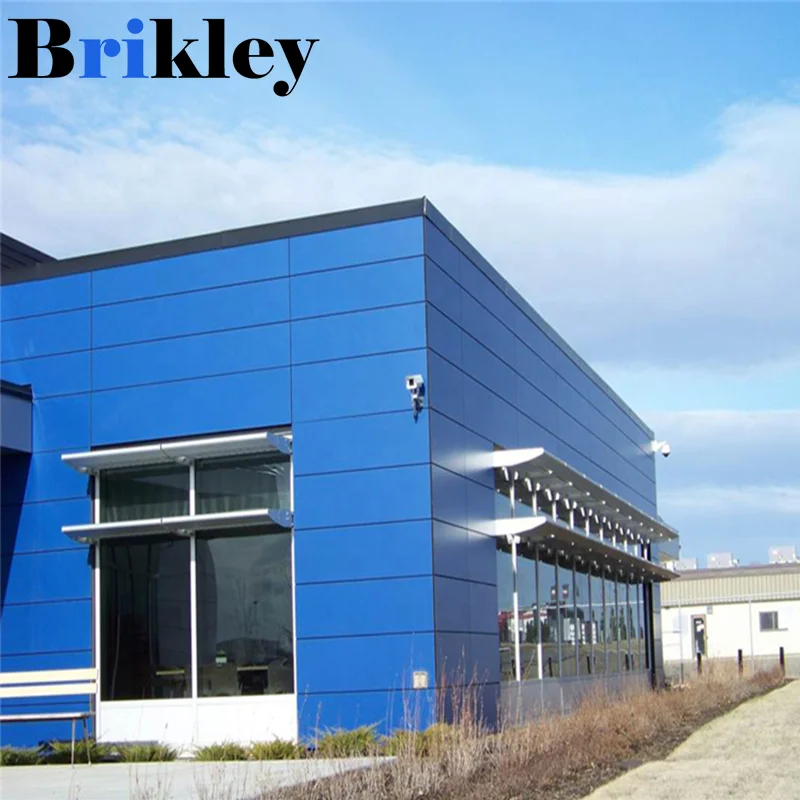
Modern architecture demands materials that seamlessly integrate aesthetic versatility with functional resilience, and HPL exterior cladding has emerged as a transformative solution meeting these exacting requirements. High-Pressure Laminate designed specifically for exterior applications represents a sophisticated engineered material that addresses the complex challenges architects and builders face in contemporary construction projects. From urban commercial towers to innovative residential developments, HPL exterior panels deliver a compelling combination of design freedom, durability, and performance characteristics that align perfectly with forward-thinking architectural visions.
Understanding the distinct advantages of HPL exterior materials requires examining how this building solution transforms both the construction process and long-term building performance. As architectural trends prioritize sustainability, minimal maintenance, and distinctive visual character, specifying the appropriate facade system becomes increasingly critical to project success. This comprehensive exploration reveals why HPL exterior cladding has become the preferred choice for architects seeking to push creative boundaries while ensuring practical, durable outcomes that satisfy both aesthetic aspirations and rigorous performance standards in diverse environmental conditions.
Superior Weather Resistance and Durability
Exceptional UV Stability for Long-Term Color Retention
HPL exterior panels demonstrate remarkable resistance to ultraviolet radiation, which represents one of the most destructive environmental factors affecting building facades. The manufacturing process incorporates specialized UV-resistant resins and stabilizers throughout the material matrix, not merely as surface treatments. This comprehensive protection ensures that HPL exterior surfaces maintain their original color intensity and visual appeal for decades, even under continuous exposure to intense sunlight. Unlike conventional painted surfaces or materials with surface-only protection, the color stability of HPL exterior extends throughout the panel thickness, preventing the fading, chalking, and discoloration that compromise aesthetic quality in traditional cladding systems.
The UV protection inherent in HPL exterior construction provides particular value in high-altitude locations, coastal environments, and regions with intense solar exposure where color degradation typically accelerates. Architects working on projects in challenging climates appreciate how this material characteristic eliminates the need for frequent repainting or surface restoration, significantly reducing lifecycle maintenance costs. The molecular stability achieved through the high-pressure lamination process creates a dense, homogeneous structure that resists photochemical breakdown, ensuring that building facades retain their designed appearance throughout their intended service life without the visual deterioration that often necessitates premature replacement of other exterior materials.
Outstanding Moisture and Weather Protection
The moisture resistance of HPL exterior cladding stems from its fundamentally non-porous structure created during the high-temperature, high-pressure manufacturing process. This inherent characteristic prevents water absorption that causes swelling, warping, and structural degradation in moisture-sensitive materials. HPL exterior panels maintain dimensional stability across varying humidity conditions, from arid climates to tropical environments with persistent high moisture levels. The material's resistance to water penetration protects not only the cladding itself but also the underlying building envelope, contributing to comprehensive weather protection that safeguards structural integrity and interior environments.
Beyond basic water resistance, HPL exterior systems demonstrate exceptional performance against driving rain, freeze-thaw cycles, and condensation challenges that compromise less robust facade materials. The material does not support biological growth such as mold, mildew, or algae, which commonly affect porous surfaces in humid conditions. This biological inertness maintains both aesthetic quality and hygienic building surfaces without requiring biocide treatments or specialized cleaning regimens. For modern architecture emphasizing building health and environmental quality, the inherent moisture management properties of HPL exterior cladding provide essential performance characteristics that support occupant wellbeing while minimizing maintenance intervention throughout the building's operational life.
Impact Resistance and Structural Resilience
The mechanical strength of HPL exterior panels provides significant advantages in urban environments and high-traffic areas where facade durability directly impacts long-term building economics. The dense laminated structure withstands impact from windborne debris, accidental contact, and vandalism far more effectively than brittle materials or thin metal panels. This robustness reduces repair costs and maintains visual continuity across the building envelope, even in demanding locations. The material's resistance to denting, puncturing, and surface damage ensures that facades retain their intended appearance despite the mechanical stresses encountered in real-world applications, from construction activities through decades of operational exposure.
Structural resilience extends to thermal cycling performance, where HPL exterior materials accommodate expansion and contraction without cracking or delaminating. The engineered composition balances rigidity with controlled flexibility, allowing panels to respond to temperature variations without transmitting stresses that compromise fastening systems or adjacent components. This thermal stability proves particularly valuable in climates with significant daily or seasonal temperature ranges, where differential expansion in building materials creates maintenance challenges and potential failure points. Modern architects specify HPL exterior systems specifically for this dimensional predictability, which simplifies detailing and ensures long-term system integrity across diverse geographic locations and exposure conditions.
Design Flexibility and Aesthetic Versatility
Extensive Color and Finish Options
The aesthetic possibilities available with HPL exterior cladding extend far beyond conventional building materials, offering architects unprecedented creative freedom in facade design. Manufacturing technology enables virtually unlimited color choices, from subtle neutrals to bold accent hues, all with consistent quality and performance characteristics. Surface finishes range from matte to glossy, textured to smooth, allowing precise control over light reflection, visual depth, and tactile qualities. This versatility supports diverse architectural expressions, whether projects require understated elegance, dramatic visual impact, or culturally specific aesthetic references that connect buildings to their contextual surroundings.
Beyond solid colors, HPL exterior panels replicate natural materials with remarkable fidelity, including wood grains, stone patterns, metallic effects, and abstract designs that would be impractical or impossible with actual materials. This simulation capability delivers the desired aesthetic without the maintenance burdens, cost premiums, or environmental impacts associated with quarrying stone or harvesting exotic timber. The consistency of manufactured patterns ensures uniform appearance across large facade areas, eliminating the color variation and matching challenges inherent in natural materials. For contemporary architecture balancing authentic material expression with practical performance requirements, HPL exterior systems provide the optimal synthesis of visual richness and functional reliability.
Panel Sizing and Configuration Flexibility
HPL exterior panels accommodate diverse architectural geometries through flexible sizing options that support both modular repetition and custom configurations. Standard panel dimensions facilitate efficient installation and cost-effective procurement, while custom sizing capabilities enable architects to realize specific design visions without compromise. Large-format panels minimize joint lines and create continuous visual surfaces, while smaller modules support complex patterns and detailed articulation. This dimensional flexibility extends to thickness options that balance structural requirements, thermal performance objectives, and desired shadow lines, allowing comprehensive optimization of facade systems for specific project parameters.
The material's workability permits field fabrication and modification using standard woodworking equipment, significantly expanding installation possibilities compared to materials requiring specialized cutting tools or factory-only fabrication. This practical advantage accelerates project schedules, accommodates design adjustments during construction, and reduces waste by enabling efficient use of material. Architects appreciate how HPL exterior systems integrate seamlessly with various substructure approaches, from traditional framing to advanced rainscreen assemblies, supporting both new construction and renovation applications. The compatibility with diverse mounting methods and building types makes HPL exterior cladding equally suitable for residential, commercial, institutional, and industrial architecture across different scales and complexity levels.
Integration with Contemporary Design Elements
Modern architectural language increasingly emphasizes layered facades, dynamic compositions, and the interplay between solid and transparent elements, design strategies that HPL exterior materials support exceptionally well. The material's consistent thickness and clean edges facilitate precise alignment with glazing systems, metal accents, and other facade components, creating visually coherent assemblies that express intentional design relationships. HPL exterior panels function effectively as both primary cladding and accent elements, allowing architects to develop hierarchical compositions that guide visual perception and enhance building identity. The material's neutral structural requirements avoid imposing constraints on design development, enabling creative exploration throughout the design process.
Integration capabilities extend to digital design workflows and parametric modeling, where HPL exterior systems translate efficiently from conceptual visualization through fabrication documentation. The material's predictable performance characteristics and standardized specifications streamline the technical development process, reducing coordination conflicts and enabling confident specification decisions early in project timelines. For architecture firms employing Building Information Modeling and advanced visualization tools, HPL exterior components integrate seamlessly into digital environments, supporting accurate rendering, precise quantity estimation, and coordinated construction documentation. This compatibility with contemporary practice methodologies contributes to overall project efficiency while maintaining the design integrity that distinguishes exceptional architecture from routine construction.
Installation Efficiency and Construction Advantages
Lightweight Properties Reducing Structural Demands
The relatively low density of HPL exterior panels compared to traditional masonry, concrete, or stone cladding systems delivers significant structural and economic advantages throughout the building design and construction process. Reduced dead loads on supporting structures often permit lighter framing systems, smaller foundations, and decreased structural material quantities, generating cost savings that extend well beyond the facade system itself. This weight advantage proves particularly valuable in renovation projects where existing structures may have limited load-bearing capacity, enabling comprehensive aesthetic transformation without costly structural reinforcement. The lightweight characteristic also facilitates installation on upper building levels where crane capacity and access limitations might otherwise restrict material choices.
Transportation and logistics benefit substantially from the favorable weight-to-coverage ratio of HPL exterior materials, reducing shipping costs and enabling larger quantities per delivery. On-site handling requires less specialized equipment and smaller installation crews compared to heavy cladding alternatives, accelerating installation schedules and improving jobsite safety. The reduced physical demands on installation teams translate to lower labor fatigue, improved quality control, and decreased risk of handling-related damage. For projects in remote locations or sites with access constraints, the lightweight nature of HPL exterior systems often determines material feasibility, making sophisticated facade solutions practical where heavier alternatives would prove logistically prohibitive or economically unviable.
Rapid Installation Methods and Simplified Details
HPL exterior cladding systems support efficient installation through straightforward mechanical fastening methods that avoid the extended curing times, weather dependencies, and specialized trades required by wet-applied facade systems. Panels attach to supporting substructures using concealed or exposed fasteners, with installation sequences that accommodate various crew sizes and skill levels. The absence of mortar, adhesives, or chemical anchoring systems eliminates weather-related installation delays and allows year-round construction progress in most climates. This installation efficiency compresses project schedules, reduces financing carrying costs, and enables faster occupancy or revenue generation for commercial developments.
Detail simplification represents another significant advantage of HPL exterior systems, with manufacturers providing engineered solutions for corners, penetrations, transitions, and terminations that have been tested and validated for performance. Standardized detail components reduce the custom fabrication typically required with traditional cladding materials, minimizing coordination efforts and potential error sources. The forgiving tolerances of properly designed HPL exterior systems accommodate normal construction variations without compromising aesthetic quality or weather protection, contrasting favorably with tight-tolerance systems that require excessive adjustment and rework. Installation crews appreciate the logical assembly sequences and consistent techniques across different project areas, factors that support quality outcomes while maintaining productive installation rates.
Renovation and Retrofit Suitability
The characteristics of HPL exterior materials make them exceptionally well-suited for building renovation projects where existing facades require updating for aesthetic, performance, or regulatory reasons. The lightweight panels rarely exceed the load capacity of existing structures, enabling comprehensive facade transformation without structural intervention. Installation methods compatible with occupied buildings minimize disruption to ongoing operations, a critical consideration for commercial and institutional renovations where business continuity during construction is essential. The speed of HPL exterior installation reduces the duration of construction impacts, from scaffolding presence to noise and access restrictions, factors that significantly influence renovation project feasibility and stakeholder acceptance.
Over-cladding applications represent a particularly effective use of HPL exterior systems, where new cladding installs directly over existing facades without complete removal of original materials. This approach dramatically reduces demolition costs, waste generation, and project duration while simultaneously improving building performance through enhanced insulation and weather protection. The dimensional consistency of HPL exterior panels accommodates the irregularities common in older building facades, with substructure systems designed to create uniform installation planes over non-uniform existing conditions. For building owners seeking to extend asset life, improve energy performance, and enhance market position, HPL exterior renovation solutions deliver transformative results with manageable investment and minimal operational disruption.
Lifecycle Performance and Economic Value
Minimal Maintenance Requirements
The long-term maintenance profile of HPL exterior cladding represents one of its most compelling economic advantages, with material characteristics that inherently resist the degradation mechanisms requiring intervention in conventional facade systems. The non-porous surface does not absorb atmospheric pollutants, biological contaminants, or staining agents, maintaining clean appearance with only periodic washing using standard cleaning methods. Unlike painted surfaces requiring cyclical repainting or coatings demanding renewal, HPL exterior panels retain their finish throughout their service life without surface restoration. This maintenance reduction translates to substantial lifecycle cost savings, eliminating recurring expenditures that can exceed initial material cost differences over typical building ownership periods.
The durability of HPL exterior materials extends to resistance against common facade problems including efflorescence, rust staining, sealant failure, and deterioration of substrate materials visible through thin finishes. The dimensional stability prevents the opening of joints or fastener back-out that creates maintenance issues in systems subject to significant movement. When cleaning is required, the smooth, hard surface of HPL exterior panels responds effectively to low-pressure washing without the surface damage risks associated with softer materials. Building owners and facility managers value the predictability of maintenance requirements, enabling accurate long-term budgeting and avoiding the unexpected capital expenditures that frequently accompany high-maintenance facade systems.
Energy Efficiency and Thermal Performance Contributions
While HPL exterior panels themselves provide moderate insulation value, their primary energy performance contribution comes through enabling advanced rainscreen and ventilated facade assemblies that significantly enhance overall wall system thermal efficiency. The material's dimensional stability and weather resistance make it ideal for pressure-equalized rainscreen applications, where an air gap between cladding and insulation layers manages moisture while reducing thermal bridging. This assembly approach, facilitated by the installation characteristics of HPL exterior systems, can achieve superior thermal performance compared to traditional barrier wall construction, reducing heating and cooling loads while improving occupant comfort and building operational costs.
The color stability of HPL exterior cladding maintains designed solar reflectance values throughout the building lifecycle, supporting passive cooling strategies in appropriate climates. Light-colored HPL exterior surfaces reflect solar radiation rather than absorbing heat, reducing facade surface temperatures and decreasing cooling demands. Conversely, in heating-dominated climates, darker HPL exterior finishes can capture beneficial solar gain during winter months while maintaining appearance despite UV exposure. The ability to select and maintain specific solar performance characteristics through color choice gives architects precise control over building energy dynamics, supporting both code compliance objectives and operational efficiency goals that increasingly influence material specification decisions in contemporary sustainable design practice.
Lifecycle Cost Analysis and Return on Investment
Comprehensive lifecycle cost analysis consistently demonstrates the economic advantages of HPL exterior systems when evaluation extends beyond initial material and installation costs to include maintenance, replacement, energy impacts, and asset value considerations. The durability and low maintenance requirements of HPL exterior cladding reduce ongoing operational budgets, freeing capital for core business activities rather than building upkeep. The extended service life before replacement becomes necessary avoids the substantial costs and disruption associated with facade renewal, including occupant relocation, loss of rental income, and business interruption that accompany major building work.
Property value implications favor buildings with high-quality, low-maintenance facades that present well in competitive real estate markets. HPL exterior cladding maintains visual appeal that supports tenant attraction and retention, factors directly affecting investment returns for commercial properties. The material's association with contemporary design and quality construction enhances building prestige and market positioning, particularly in competitive urban markets where appearance significantly influences leasing velocity and achievable rental rates. For developers and long-term building owners, the combination of modest initial cost premium, negligible maintenance requirements, extended replacement cycles, and enhanced market appeal creates compelling return on investment that justifies specification of HPL exterior systems over apparently less expensive alternatives that prove costly over building ownership horizons.
Environmental Sustainability and Responsible Construction
Resource Efficiency and Manufacturing Sustainability
Modern HPL exterior manufacturing emphasizes resource efficiency through optimized production processes that minimize waste generation and energy consumption. The precision of contemporary production equipment ensures high material yield from raw inputs, with manufacturing offcuts often recyclable into other product applications. Many HPL exterior manufacturers have implemented closed-loop water systems, energy recovery from curing processes, and renewable energy integration that substantially reduce the environmental footprint of production. The durability of the finished product represents inherent sustainability, as extended service life reduces the frequency of material replacement and associated environmental impacts from manufacturing, transportation, and installation of replacement materials.
The composition of HPL exterior panels typically incorporates substantial percentages of renewable fiber content derived from responsibly managed forestry operations, reducing dependence on petrochemical-intensive materials. Third-party certification programs verify sustainable forestry practices, providing transparency about raw material sourcing that supports environmentally conscious specification decisions. The resin systems binding HPL exterior laminates continue to evolve toward lower-emission formulations that improve indoor air quality during installation and reduce volatile organic compound release throughout the product lifecycle. These manufacturing improvements align with green building certification requirements and organizational sustainability commitments increasingly shaping material selection in contemporary architecture.
End-of-Life Considerations and Circular Economy Principles
The mechanical fastening systems common in HPL exterior installations facilitate eventual disassembly and material recovery at building end-of-life, contrasting favorably with adhered systems that create inseparable composite waste streams. Removed HPL exterior panels maintain structural integrity suitable for reuse in less demanding applications or as raw material in recycling processes. Some manufacturers have established take-back programs accepting used panels for processing into new products, supporting circular economy principles that minimize virgin material consumption and landfill disposal. The mono-material nature of HPL exterior panels, without complex composite structures or inseparable components, simplifies sorting and processing in recycling streams.
Building adaptability represents another sustainability dimension where HPL exterior systems provide advantages, as the ease of panel replacement supports building modification, expansion, and repurposing that extend overall structure life. The ability to update building appearance without wholesale facade replacement enables aesthetic refreshing that maintains market relevance, avoiding premature demolition driven by obsolete appearance rather than structural deterioration. This adaptability supports sustainable urbanism principles emphasizing building longevity, adaptive reuse, and reduced construction waste generation. For architecture embracing lifecycle thinking and responsible resource stewardship, HPL exterior cladding delivers performance characteristics aligned with environmental objectives while meeting functional and aesthetic project requirements.
Contribution to Green Building Certification
HPL exterior systems contribute to various green building certification frameworks through multiple performance pathways, including durability credits, recycled content, regional material sourcing, and low-emitting materials classifications. The specific contribution varies by certification system and project location, but the material characteristics of HPL exterior cladding generally support sustainability objectives across different rating programs. Manufacturers typically provide detailed environmental documentation, including Environmental Product Declarations, Health Product Declarations, and material ingredient disclosure supporting evaluation under transparency-focused certification criteria. This documentation enables design teams to accurately assess environmental performance and optimize material selections for certification achievement.
The energy performance benefits of rainscreen assemblies utilizing HPL exterior cladding support energy-related certification credits that often represent substantial point values in green building rating systems. Reduced maintenance requirements contribute to operational efficiency objectives, while material durability addresses waste reduction goals. The combination of attributes positions HPL exterior systems as supportive of comprehensive sustainable design strategies rather than isolated material substitutions. As environmental performance expectations continue rising in construction industry standards and building codes, the inherent characteristics of HPL exterior cladding align increasingly well with regulatory requirements and market expectations for responsible building development.
FAQ
How long does HPL exterior cladding typically last in outdoor applications?
HPL exterior cladding systems generally provide service lives exceeding 30 years when properly installed and maintained in typical environmental conditions, with many installations demonstrating excellent performance beyond 40 years. The actual lifespan depends on specific environmental exposure, including UV intensity, temperature extremes, moisture levels, and atmospheric pollutants. Coastal environments with salt exposure and high-altitude locations with intense UV radiation may experience slightly accelerated aging compared to moderate climates, though HPL exterior materials perform exceptionally well even in these demanding conditions. The through-color construction and UV-stabilized resin systems ensure that even as minor surface weathering occurs over decades, the appearance remains acceptable without the dramatic degradation seen in surface-coated materials. Manufacturers typically provide warranties ranging from 10 to 15 years, though this represents a conservative guarantee period rather than expected failure timing, as the material's inherent durability extends well beyond warranty coverage.
Can HPL exterior panels be installed over existing building facades during renovations?
Yes, HPL exterior cladding is exceptionally well-suited for over-cladding applications where new facade systems install directly over existing building exteriors without complete removal of original materials. This approach requires installation of a substructure framework, typically aluminum or steel rails, that attaches through the existing facade to the building structure, creating a uniform plane for panel installation. The lightweight nature of HPL exterior panels rarely exceeds the load capacity of existing buildings, making structural reinforcement unnecessary in most renovation scenarios. Over-cladding with HPL exterior systems provides opportunity to simultaneously improve building thermal performance by incorporating insulation within the new wall assembly, upgrade weather protection, and completely transform building appearance. This method substantially reduces renovation costs compared to complete facade removal and reconstruction, minimizes construction waste generation, and shortens project duration by eliminating demolition and disposal phases. The approach works effectively on various existing facade types including masonry, concrete, metal panel, and aged curtain wall systems.
What maintenance procedures are required to keep HPL exterior facades looking their best?
HPL exterior facades require minimal maintenance compared to most alternative cladding materials, with periodic cleaning representing the primary upkeep activity. Annual or semi-annual washing with mild detergent and water, applied through low-pressure spray or soft brush methods, removes accumulated atmospheric dirt, pollen, and environmental deposits that may dull appearance over time. The non-porous surface prevents deep staining, allowing effective cleaning with standard techniques without specialized chemicals or equipment. In most environments, rainfall provides sufficient natural cleaning to maintain acceptable appearance, with manual washing needed only in sheltered areas not reached by rain or in heavily polluted urban or industrial settings. Fastener inspection should occur periodically to ensure mechanical connections remain secure, though properly installed systems rarely experience fastener problems. Unlike painted surfaces requiring periodic recoating, wood requiring refinishing, or metal prone to corrosion, HPL exterior panels maintain their original finish throughout their service life without restoration treatments. Damaged panels, if they occur from unusual impact or vandalism, can be individually replaced without disturbing surrounding areas, providing straightforward repair capability that preserves overall facade integrity.
Is HPL exterior cladding suitable for high-rise building applications?
HPL exterior cladding systems are entirely suitable for high-rise building applications when properly engineered to address the specific performance requirements of tall building environments, including wind loads, thermal movement, and fire safety considerations. Many prominent high-rise projects worldwide feature HPL exterior facades, demonstrating the material's capability in demanding applications. Engineering considerations for tall buildings include enhanced fastening systems designed for increased wind pressures, movement accommodation joints addressing thermal expansion across large facade areas, and compliance with jurisdictional fire regulations that may require specific panel compositions or assembly details. Some regions mandate testing and certification under standards addressing combustibility and flame spread, requirements that HPL exterior manufacturers address through specialized product formulations and extensive testing documentation. The lightweight characteristic of HPL exterior panels provides advantages for high-rise applications by reducing structural loads, while the material's dimensional stability prevents the panel distortion that can occur with less rigid cladding materials at height. Installation logistics benefit from the manageable panel sizes and weights that facilitate crane handling and positioning on upper building levels where access and equipment capacity present challenges for heavier materials.
Table of Contents
- Superior Weather Resistance and Durability
- Design Flexibility and Aesthetic Versatility
- Installation Efficiency and Construction Advantages
- Lifecycle Performance and Economic Value
- Environmental Sustainability and Responsible Construction
-
FAQ
- How long does HPL exterior cladding typically last in outdoor applications?
- Can HPL exterior panels be installed over existing building facades during renovations?
- What maintenance procedures are required to keep HPL exterior facades looking their best?
- Is HPL exterior cladding suitable for high-rise building applications?