
 EN
EN
Modern washroom design has evolved significantly over the past decade, with architects and facility managers increasingly prioritizing durability, hygiene, and aesthetic appeal. Among the various partition solutions available today, HPL toilet partition systems have emerged as the preferred choice for commercial and public facilities worldwide. This comprehensive guide explores the numerous advantages that make HPL toilet partition systems stand out in contemporary washroom applications, from their exceptional material properties to their long-term cost effectiveness.
Understanding HPL Material Properties
High Pressure Laminate Composition
High Pressure Laminate represents a revolutionary advancement in partition manufacturing technology. The HPL toilet partition construction involves multiple layers of kraft paper impregnated with phenolic resin, topped with a decorative paper layer treated with melamine resin. This multi-layer structure undergoes intense heat and pressure treatment, typically reaching temperatures of 150°C and pressures of 1000 PSI, resulting in a homogeneous material with exceptional structural integrity.
The manufacturing process creates a dense, non-porous surface that exhibits remarkable resistance to moisture, chemicals, and physical impact. Unlike traditional partition materials, HPL toilet partition panels maintain their structural properties even under extreme environmental conditions commonly found in high-traffic washroom facilities. This inherent stability ensures consistent performance across diverse applications, from corporate offices to busy airport terminals.
Surface Durability Characteristics
The surface characteristics of HPL toilet partition systems set them apart from conventional alternatives. The laminated surface exhibits exceptional scratch resistance, maintaining its appearance even after years of intensive use. The non-porous nature prevents bacterial growth and simplifies cleaning procedures, making these partitions particularly suitable for healthcare facilities and food service environments where hygiene standards are paramount.
Additionally, HPL toilet partition surfaces demonstrate remarkable color stability when exposed to UV radiation, ensuring that the aesthetic appeal remains consistent over extended periods. This color fastness eliminates the need for frequent refinishing or replacement, contributing to the overall lifecycle cost advantages that facility managers appreciate when evaluating partition solutions for their projects.
Design Versatility and Aesthetic Appeal
Color and Pattern Options
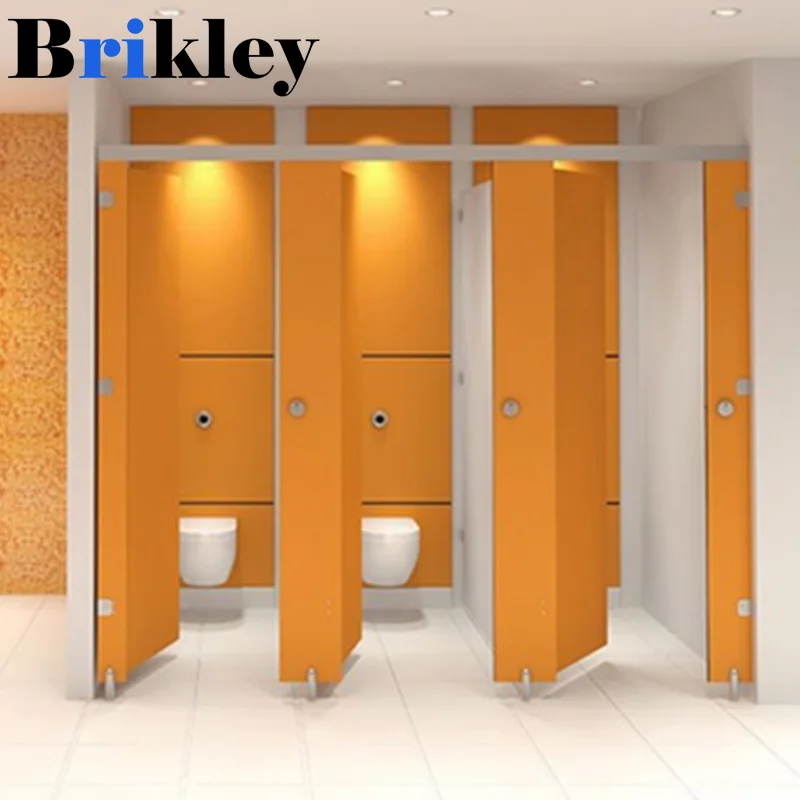
Contemporary washroom design demands flexibility in aesthetic choices, and HPL toilet partition systems deliver an extensive range of color, texture, and pattern options. Manufacturers offer hundreds of decorative surface finishes, including wood grains, stone textures, solid colors, and abstract patterns that complement various architectural themes. This design versatility enables architects to integrate partition systems seamlessly into overall interior design concepts while maintaining functional performance standards.
The sophisticated printing technologies used in HPL toilet partition production allow for photorealistic reproductions of natural materials, providing the visual appeal of premium surfaces at a fraction of the cost. These decorative options enable facility owners to create distinctive washroom environments that enhance user experience while maintaining the practical benefits of durable laminate construction.
Customization Capabilities
Modern HPL toilet partition systems accommodate various customization requirements, from non-standard dimensions to specialized hardware configurations. Manufacturers can produce panels in custom sizes to fit unique architectural constraints, ensuring optimal space utilization in challenging layouts. This flexibility extends to hardware selection, with options for different hinge styles, lock mechanisms, and support structures that align with specific functional requirements.
The ability to incorporate branding elements, decorative inlays, or specialized features makes HPL toilet partition systems particularly attractive for corporate facilities and hospitality applications. These customization capabilities ensure that washroom design contributes positively to overall brand experience while delivering reliable functional performance.
Hygiene and Maintenance Advantages
Anti-Bacterial Properties
The non-porous surface of HPL toilet partition panels creates an inhospitable environment for bacterial growth, addressing one of the primary concerns in washroom facility management. Unlike traditional materials that may harbor microorganisms in surface irregularities, the smooth laminate finish prevents bacterial colonization and simplifies sanitization procedures. This characteristic proves particularly valuable in healthcare facilities, educational institutions, and food service environments where infection control protocols are strictly enforced.
Recent innovations in HPL toilet partition manufacturing have introduced antimicrobial additives that provide additional protection against bacterial and viral contamination. These enhanced formulations offer continuous antimicrobial action, reducing the risk of cross-contamination between users and supporting overall facility hygiene objectives. The integration of these protective technologies demonstrates the ongoing evolution of partition solutions to meet contemporary health and safety requirements.
Cleaning and Maintenance Protocols
The maintenance advantages of HPL toilet partition systems contribute significantly to their popularity in commercial applications. The non-porous surface allows for effective cleaning using standard disinfectants without concern for material degradation or surface damage. This compatibility with aggressive cleaning agents ensures thorough sanitization while preserving the aesthetic and structural properties of the partition system.
Regular maintenance procedures for HPL toilet partition installations involve simple wiping with appropriate cleaning solutions, eliminating the need for specialized treatments or frequent refinishing. The resistance to moisture absorption prevents the warping, swelling, or delamination issues commonly associated with traditional partition materials, ensuring consistent performance and appearance throughout the service life of the installation.
Cost Effectiveness and Lifecycle Value
Initial Investment Considerations
While the initial cost of HPL toilet partition systems may exceed basic alternatives, the comprehensive lifecycle value proposition justifies this investment for most commercial applications. The superior material properties translate into extended service life, reduced maintenance requirements, and lower replacement frequency compared to conventional partition solutions. This economic advantage becomes particularly apparent in high-traffic facilities where frequent repairs or replacements would otherwise be necessary.
The installation efficiency of HPL toilet partition systems also contributes to cost effectiveness. Standardized hardware systems and precise manufacturing tolerances enable rapid installation with minimal site preparation, reducing labor costs and facility downtime. These factors combine to create a compelling total cost of ownership profile that appeals to budget-conscious facility managers.
Long-Term Performance Economics
The exceptional durability of HPL toilet partition materials translates into significant long-term cost savings through reduced maintenance, repair, and replacement expenses. Independent studies have demonstrated that properly installed HPL toilet partition systems can maintain their performance characteristics for 15-20 years in typical commercial applications, substantially exceeding the service life of alternative materials.
The resistance to vandalism and accidental damage further enhances the economic benefits of HPL toilet partition installations. The tough laminate surface withstands impacts, scratches, and attempts at deliberate damage that would compromise less durable materials. This resilience reduces the frequency of emergency repairs and associated facility disruptions, contributing to improved operational efficiency and user satisfaction.
Environmental Sustainability
Eco-Friendly Manufacturing
Modern HPL toilet partition production incorporates sustainable manufacturing practices that address growing environmental concerns in commercial construction. Leading manufacturers utilize recycled content in their kraft paper layers and employ formaldehyde-free resin systems that improve indoor air quality while maintaining structural performance. These environmental considerations align with green building certification requirements and support corporate sustainability objectives.
The energy-efficient manufacturing processes used in HPL toilet partition production minimize environmental impact while maintaining consistent quality standards. Advanced pressing techniques and optimized curing cycles reduce energy consumption compared to traditional manufacturing methods, contributing to the overall environmental benefits of these partition solutions.
End-of-Life Considerations
The extended service life of HPL toilet partition systems reduces the frequency of disposal and replacement, minimizing waste generation over the facility lifecycle. When replacement eventually becomes necessary, the thermosetting nature of HPL materials enables recycling into other applications, preventing landfill disposal and supporting circular economy principles.
The dimensional stability and resistance to degradation mean that HPL toilet partition panels often retain significant value even after extended service periods, enabling reuse in less demanding applications. This secondary market potential further enhances the overall environmental profile of these partition solutions while providing additional economic benefits to facility owners.
Installation and Technical Specifications
Hardware Systems and Support
The success of any HPL toilet partition installation depends heavily on the quality and design of the supporting hardware systems. Modern partition hardware incorporates corrosion-resistant materials and precision engineering to ensure reliable operation throughout the extended service life of the HPL panels. Stainless steel components, powder-coated finishes, and specialized pivot mechanisms contribute to the overall durability and user satisfaction of the completed installation.
Advanced hardware designs accommodate the unique properties of HPL toilet partition materials while providing the adjustability necessary for precise installation in varied facility conditions. Self-closing hinges, privacy locks, and continuous piano hinges represent common hardware options that enhance functionality while maintaining the aesthetic appeal of the partition system.
Installation Best Practices
Proper installation techniques are crucial for maximizing the performance benefits of HPL toilet partition systems. Experienced installers follow specific protocols for floor and ceiling attachment, ensuring adequate structural support while maintaining the dimensional stability that users expect. The precise tolerances achieved through quality manufacturing enable efficient installation with minimal field adjustments.
The modular design of most HPL toilet partition systems facilitates installation in occupied facilities with minimal disruption to normal operations. This advantage proves particularly valuable in healthcare facilities, educational institutions, and other environments where continuous operation is essential throughout renovation or upgrade projects.
FAQ
How long do HPL toilet partitions typically last in commercial applications
HPL toilet partition systems typically provide 15-20 years of reliable service in standard commercial applications, with some installations exceeding 25 years when properly maintained. The exceptional durability of high-pressure laminate materials ensures consistent performance even in high-traffic environments, making them an excellent long-term investment for facility owners concerned about lifecycle costs and operational efficiency.
Are HPL toilet partitions suitable for healthcare and food service facilities
Yes, HPL toilet partition systems are particularly well-suited for healthcare and food service applications due to their non-porous surface, antimicrobial properties, and compatibility with aggressive cleaning agents. The material meets strict hygiene requirements and infection control protocols while maintaining aesthetic appeal and structural integrity under demanding operational conditions.
Can HPL toilet partitions be customized for unique design requirements
HPL toilet partition systems offer extensive customization options, including custom dimensions, specialized hardware configurations, decorative surface finishes, and branding elements. Manufacturers can accommodate non-standard sizes and unique architectural requirements while maintaining the superior performance characteristics that make these partitions popular in modern washroom design applications.
What maintenance procedures are required for HPL toilet partitions
HPL toilet partition maintenance involves simple cleaning with standard disinfectants and periodic inspection of hardware components. The non-porous surface requires no special treatments or refinishing, and the resistance to moisture and chemical damage ensures that routine cleaning procedures maintain both hygiene and aesthetic standards throughout the extended service life of the installation.