
 EN
EN
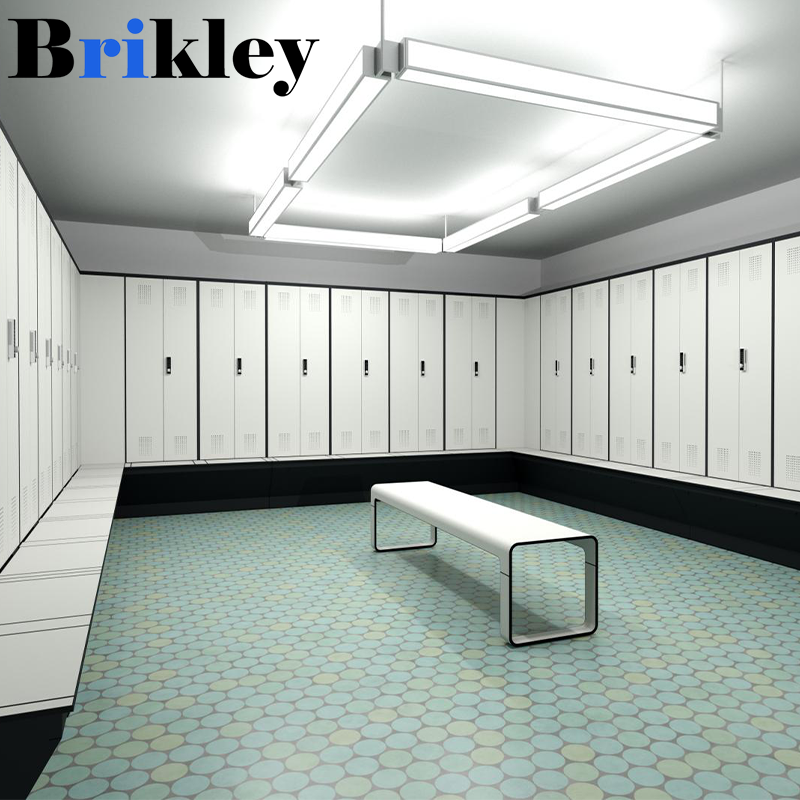
High Pressure Laminate wall panels have revolutionized modern construction with their exceptional durability, aesthetic appeal, and low maintenance requirements. Understanding proper care techniques ensures your HPL wall panel investment delivers long-lasting performance while maintaining its pristine appearance throughout years of service. These engineered surfaces combine multiple layers of kraft paper with decorative materials under extreme pressure and temperature, creating panels that resist moisture, impact, and everyday wear better than traditional wall coverings.
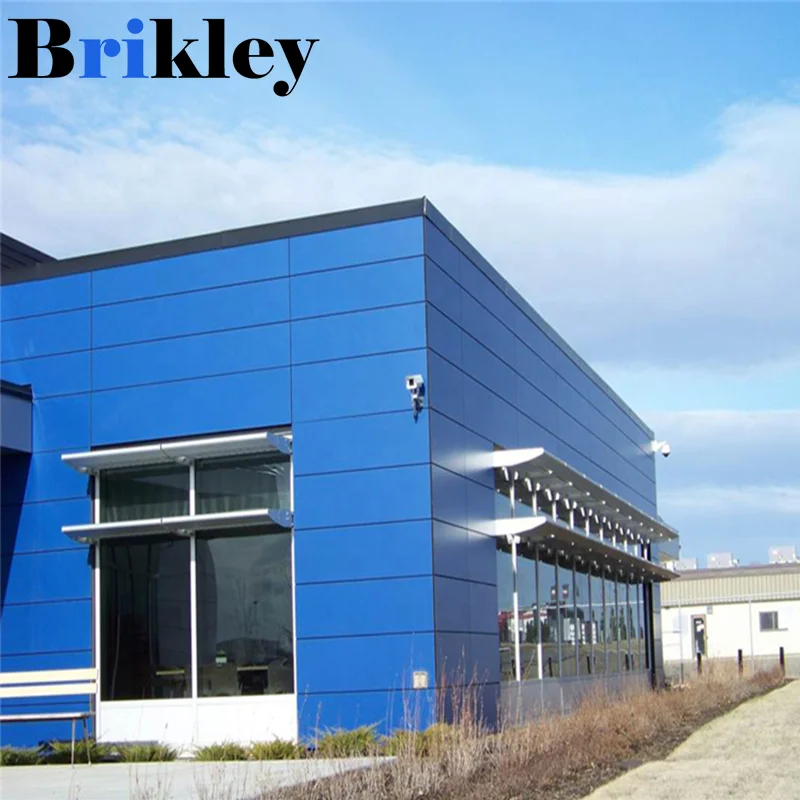
Professional maintenance strategies focus on preserving the surface integrity while preventing common issues that can compromise panel longevity. Regular care protocols, proper cleaning techniques, and preventive measures form the foundation of effective HPL wall panel maintenance programs. Industry experts recommend establishing systematic approaches that address both routine upkeep and specialized treatments for different environmental conditions and usage patterns.
Daily Cleaning Protocols for HPL Wall Panels
Surface Preparation and Assessment
Before beginning any cleaning procedure, conduct a thorough visual inspection of your HPL wall panel surfaces to identify areas requiring special attention. Look for accumulated dust, fingerprints, stains, or any signs of surface damage that might influence your cleaning approach. Remove loose debris using a soft-bristled brush or microfiber cloth, working from top to bottom to prevent redistributing particles across clean areas.
Temperature considerations play a crucial role in cleaning effectiveness, as HPL wall panel surfaces respond differently to various thermal conditions. Room temperature cleaning solutions typically provide optimal results without causing thermal stress that might affect panel stability. Avoid cleaning during extreme temperature conditions, as rapid temperature changes can cause expansion or contraction that may compromise surface bonding.
Recommended Cleaning Solutions and Techniques
Mild soap solutions mixed with warm water create an effective cleaning base for routine HPL wall panel maintenance without introducing harsh chemicals that might damage protective coatings. Commercial neutral pH cleaners specifically formulated for laminate surfaces offer enhanced cleaning power while maintaining surface compatibility. Always test cleaning solutions in inconspicuous areas before applying them to visible surfaces.
Application techniques significantly impact cleaning effectiveness and surface protection during maintenance procedures. Use soft microfiber cloths or non-abrasive sponges in circular motions, applying gentle pressure to remove surface contaminants without scratching the HPL wall panel finish. Rinse thoroughly with clean water to remove cleaning residue, then dry immediately using lint-free cloths to prevent water spots or mineral deposits.
Weekly Deep Maintenance Procedures
Comprehensive Surface Evaluation
Weekly maintenance routines provide opportunities to address accumulated wear patterns and identify potential issues before they become significant problems affecting HPL wall panel performance. Examine seam areas, corners, and high-traffic zones where panels experience greater stress and contamination exposure. Document any changes in surface condition, color variations, or structural concerns for tracking maintenance effectiveness over time.
Environmental factors within your facility influence maintenance frequency and intensity requirements for optimal HPL wall panel preservation. Kitchens, bathrooms, and high-humidity areas require more frequent attention due to increased moisture exposure and potential for bacterial growth. Manufacturing environments may introduce specific contaminants requiring specialized cleaning approaches tailored to industry-specific challenges.
Advanced Cleaning Techniques
Steam cleaning methods offer effective deep cleaning capabilities for HPL wall panel surfaces while using minimal chemical additives that might affect surface properties. Professional steam equipment generates controlled moisture that loosens embedded contaminants without oversaturating panel substrates. Maintain appropriate distance and movement patterns to ensure even heat distribution across treated surfaces.
Specialized stain removal techniques address specific contamination types that standard cleaning methods cannot effectively eliminate from HPL wall panel surfaces. Grease stains respond well to degreasing agents applied with soft cloths, while protein-based stains may require enzymatic cleaners for complete removal. Always follow manufacturer guidelines for chemical compatibility and application procedures.
Preventive Maintenance Strategies
Environmental Control Measures
Humidity management systems help maintain optimal environmental conditions that support long-term HPL wall panel stability and appearance retention. Excessive moisture can penetrate seam areas and cause substrate swelling, while extremely dry conditions may lead to dimensional changes affecting panel alignment. Install humidity monitoring equipment to track conditions and implement corrective measures when levels exceed recommended ranges.
Temperature regulation contributes significantly to HPL wall panel longevity by preventing thermal stress cycles that can cause surface cracking or delamination over time. Rapid temperature fluctuations create expansion and contraction forces that may compromise panel bonding or surface integrity. Maintain consistent temperature ranges appropriate for your specific panel grade and installation environment.
Protective Coatings and Treatments
Protective sealers designed specifically for HPL wall panel applications provide additional resistance against moisture infiltration, staining, and surface wear in demanding environments. These specialized coatings enhance the natural protective properties of laminate surfaces while maintaining breathability necessary for proper panel function. Apply protective treatments according to manufacturer specifications for optimal performance.
UV protection measures become essential for HPL wall panel installations exposed to direct sunlight or artificial UV sources that can cause color fading or surface degradation over extended periods. Window films, strategic shading, or UV-resistant topcoats help preserve original appearance while preventing photodegradation that affects both aesthetics and structural properties.
Troubleshooting Common Maintenance Issues
Stain Prevention and Early Intervention
Immediate response protocols for spill management prevent permanent staining and surface damage to HPL wall panel installations in high-activity areas. Blot liquid spills immediately using absorbent materials, avoiding wiping motions that might spread contaminants or force them deeper into surface textures. Quick action during the initial contamination period significantly improves cleaning success rates.
Identification of stain types helps determine appropriate removal strategies for different contamination sources affecting HPL wall panel surfaces. Organic stains typically respond to biological cleaning agents, while inorganic deposits may require mineral-specific solvents for effective removal. Understanding contamination sources enables proactive prevention measures that reduce maintenance requirements.
Surface Restoration Techniques
Minor surface imperfections in HPL wall panel finishes often respond well to professional restoration techniques that can restore original appearance without requiring complete panel replacement. Light scratches may be minimized using specialized polishing compounds designed for laminate surfaces, while deeper damage might require professional repair services using manufacturer-approved methods.
Color matching procedures ensure repair work blends seamlessly with existing HPL wall panel installations, maintaining uniform appearance across treated surfaces. Professional color analysis helps identify appropriate repair materials and techniques that preserve aesthetic continuity while addressing functional concerns. Document repair procedures for future reference and warranty compliance.
Seasonal Maintenance Considerations
Climate-Specific Care Protocols
Seasonal environmental changes require adjusted maintenance approaches to address varying conditions that affect HPL wall panel performance throughout the year. Winter heating systems can create dry conditions requiring increased attention to static electricity buildup and dust attraction, while summer humidity may necessitate enhanced moisture control measures and mold prevention protocols.
Exterior HPL wall panel installations face additional challenges from weather exposure, requiring specialized maintenance schedules that address seasonal contamination sources like pollen, salt spray, or freeze-thaw cycles. Develop weather-specific cleaning schedules that anticipate and address environmental challenges before they compromise panel condition or appearance.
Long-term Preservation Planning
Annual inspection schedules provide comprehensive assessment opportunities for HPL wall panel systems, identifying areas requiring immediate attention and planning future maintenance investments. Professional inspections can reveal subtle changes in panel condition that might not be apparent during routine maintenance activities, enabling proactive interventions that extend service life.
Documentation systems tracking maintenance activities, environmental conditions, and panel performance create valuable databases for optimizing care protocols and identifying patterns that influence HPL wall panel longevity. Regular record-keeping supports warranty compliance while providing insights for improving maintenance effectiveness and cost management strategies.
FAQ
How often should HPL wall panels be cleaned for optimal maintenance
HPL wall panel cleaning frequency depends on environmental conditions and usage patterns, with high-traffic areas requiring daily attention while standard installations benefit from weekly comprehensive cleaning. Establish cleaning schedules based on actual contamination rates rather than arbitrary timeframes, adjusting frequency as needed to maintain desired appearance standards. Monitor panel condition regularly to identify when cleaning intervals need modification for optimal results.
What cleaning products are safe for HPL wall panel surfaces
Safe cleaning products for HPL wall panel maintenance include mild soap solutions, neutral pH cleaners, and manufacturer-approved commercial products specifically formulated for laminate surfaces. Avoid abrasive cleaners, strong acids, alkalis, or solvent-based products that can damage protective coatings or cause surface discoloration. Always test new cleaning products in inconspicuous areas before applying them to visible surfaces.
Can damaged HPL wall panels be repaired without replacement
Minor damage to HPL wall panel surfaces can often be repaired using manufacturer-approved restoration techniques, including specialized fillers, color-matching compounds, and professional refinishing methods. Assess damage severity to determine repair feasibility, as extensive damage may require panel replacement for optimal performance and appearance. Consult with qualified professionals for complex repairs to ensure proper techniques and materials are used.
What environmental factors most affect HPL wall panel maintenance requirements
Environmental factors significantly affecting HPL wall panel maintenance include humidity levels, temperature fluctuations, UV exposure, airborne contaminants, and chemical exposure from cleaning products or industrial processes. High-humidity environments require enhanced mold prevention measures, while areas with temperature variations need attention to expansion joint maintenance. Understanding your specific environmental challenges helps develop targeted maintenance strategies for optimal panel preservation.