
 EN
EN
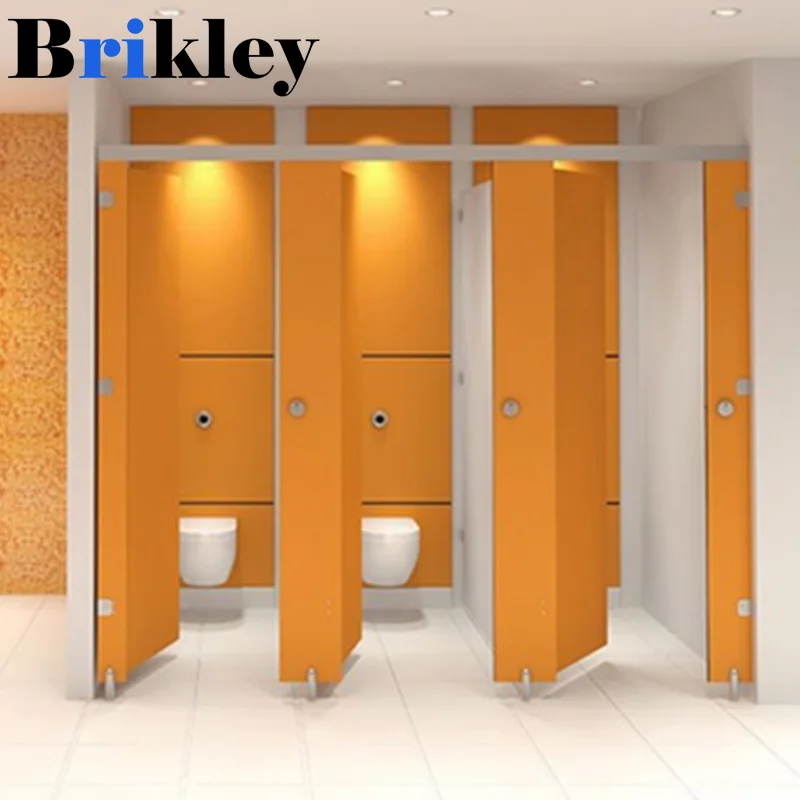
Selecting the right HPL toilet partition system requires careful consideration of multiple factors to ensure optimal performance, durability, and cost-effectiveness over the long term. High-pressure laminate partitions have become the preferred choice for commercial facilities, airports, schools, and office buildings due to their exceptional resistance to moisture, vandalism, and heavy usage. Understanding the key characteristics and specifications of HPL materials will help facility managers make informed decisions that deliver lasting value and minimize maintenance requirements throughout the partition's lifecycle.
Understanding HPL Material Properties and Construction
Core Material Composition and Manufacturing Process
The foundation of any quality HPL toilet partition lies in its core construction and manufacturing methodology. High-pressure laminate consists of multiple layers of kraft paper impregnated with phenolic resin, which are then compressed under extreme pressure and temperature to create a dense, homogeneous material. The surface layer typically features decorative paper treated with melamine resin, providing both aesthetic appeal and enhanced durability. This manufacturing process results in a material that exhibits exceptional dimensional stability, making it ideal for environments with fluctuating humidity and temperature conditions commonly found in restroom facilities.
The density and thickness of the HPL core directly impact the partition's structural integrity and longevity. Premium HPL toilet partition systems typically feature cores ranging from 10mm to 13mm in thickness, with higher density materials offering superior impact resistance and reduced susceptibility to deformation over time. The phenolic resin content and curing process also influence the material's resistance to chemicals, cleaning agents, and bacterial growth, making these factors crucial considerations when evaluating different HPL options for long-term applications.
Surface Treatments and Protective Coatings
The surface treatment applied to HPL toilet partition panels significantly affects their resistance to staining, scratching, and general wear patterns that develop through daily use. Advanced surface technologies include specialized texture patterns that help conceal minor scratches and fingerprints while maintaining a professional appearance throughout the partition's service life. Anti-bacterial coatings and easy-clean surface treatments further enhance the hygiene properties of HPL materials, reducing maintenance requirements and supporting infection control protocols in healthcare and educational facilities.
Color-through construction represents another important consideration for long-term performance, as this manufacturing approach ensures that the decorative layer penetrates deeply into the material substrate. This construction method prevents unsightly edge banding discoloration and maintains consistent appearance even if minor chips or scratches occur during installation or use. The UV stability of surface treatments also plays a crucial role in preventing color fading in facilities with natural lighting, ensuring that the HPL toilet partition maintains its original aesthetic appeal over many years of service.
Hardware Systems and Structural Components
Hinge and Latch Mechanisms
The hardware components selected for an HPL toilet partition system directly influence its operational reliability and maintenance requirements over the long term. Heavy-duty continuous hinges manufactured from stainless steel or powder-coated aluminum provide superior load distribution compared to traditional butt hinges, reducing stress concentrations that can lead to premature failure. Self-closing mechanisms should incorporate adjustable tension settings to accommodate varying door weights and ensure consistent operation throughout the partition's service life, while also compensating for minor settling or adjustment needs that may develop over time.
Privacy latches and indicator locks require careful selection to balance security, ease of operation, and durability under heavy usage conditions. Commercial-grade mechanisms with replaceable internal components offer the best long-term value, as worn parts can be serviced without replacing entire assemblies. The compatibility between hardware finishes and the selected HPL toilet partition surface treatment ensures a cohesive appearance while preventing galvanic corrosion that can occur when dissimilar metals are used in close proximity within humid environments.
Mounting and Support Systems
The structural mounting system forms the backbone of any HPL toilet partition installation, determining both immediate stability and long-term performance characteristics. Overhead braced configurations provide maximum structural rigidity by distributing loads through both floor and ceiling attachment points, making this approach ideal for high-traffic facilities where partition stability is paramount. Floor-mounted systems with adjustable legs offer excellent versatility for uneven surfaces while maintaining adequate structural support for most commercial applications, though proper shimming and leveling during installation are essential for optimal long-term performance.
Pilaster construction and materials significantly impact the overall system durability, with options ranging from HPL-wrapped steel cores to solid polymer or aluminum extrusions. Steel-core pilasters offer superior structural strength and resistance to impact damage, while polymer alternatives provide enhanced corrosion resistance in environments with aggressive cleaning chemicals or high humidity levels. The connection methodology between pilasters and panels, whether through mechanical fasteners or integrated mounting systems, affects both installation efficiency and the ability to perform maintenance or component replacement in the future without disrupting adjacent partitions.
Environmental Considerations and Performance Standards
Moisture Resistance and Humidity Management
Moisture resistance represents one of the most critical performance characteristics for any HPL toilet partition system, as restroom environments subject materials to continuous exposure to humidity, water vapor, and occasional direct water contact. Quality HPL materials demonstrate exceptional dimensional stability under varying moisture conditions, with minimal expansion or contraction that could compromise door alignment or create unsightly gaps over time. The sealed edge treatment and core construction prevent moisture penetration that could lead to delamination, swelling, or structural degradation commonly associated with inferior partition materials.
Ventilation and air circulation patterns within restroom facilities directly impact the long-term performance of HPL toilet partition systems, making proper facility design an essential complement to material selection. Adequate ventilation prevents the accumulation of excess moisture that can accelerate wear on hardware components and promote the growth of mold or bacteria in hidden crevices. The thermal expansion characteristics of HPL materials remain stable across typical commercial building temperature ranges, ensuring that partition alignments and clearances remain consistent regardless of seasonal variations or HVAC system fluctuations.
Chemical Resistance and Cleaning Protocol Compatibility
The chemical resistance properties of HPL toilet partition materials determine their compatibility with various cleaning agents and disinfection protocols commonly used in commercial facilities. High-quality HPL surfaces resist damage from bleach-based cleaners, quaternary ammonium compounds, and other aggressive disinfectants that may be required for infection control purposes. This chemical resistance extends the partition's service life while maintaining its appearance and structural integrity under intensive cleaning regimens that might quickly degrade alternative materials.
Graffiti resistance and ease of graffiti removal represent additional considerations for facilities in educational or public settings where vandalism may occur. Advanced HPL toilet partition surfaces incorporate specialized treatments that prevent permanent marking while allowing for effective removal of various substances without damaging the underlying material. The non-porous nature of quality HPL surfaces prevents the absorption of odors, stains, or contaminants that could create hygiene issues or require costly refinishing procedures over the partition's operational lifetime.
Installation Planning and Long-Term Maintenance
Professional Installation Requirements
Proper installation techniques significantly influence the long-term performance and durability of any HPL toilet partition system, making qualified contractor selection a critical decision factor. Experienced installers understand the importance of precise measurements, proper anchoring methods, and adjustment procedures that ensure optimal door operation and structural stability from the initial installation through years of service. The use of appropriate fasteners, sealants, and mounting hardware designed specifically for HPL applications prevents common installation errors that can lead to premature failure or expensive remedial work.
Site preparation and substrate evaluation require careful attention to ensure that floor and ceiling conditions can adequately support the selected partition system over its intended service life. Uneven surfaces, structural irregularities, or inadequate load-bearing capacity can compromise the installation quality and lead to ongoing maintenance issues such as door misalignment, hardware binding, or structural stress concentrations. Professional installers conduct thorough site surveys and recommend any necessary corrections before proceeding with HPL toilet partition installation, preventing costly problems that might not become apparent until after the facility is in use.
Preventive Maintenance and Service Protocols
Establishing comprehensive preventive maintenance protocols maximizes the service life and performance of HPL toilet partition installations while minimizing unexpected repair costs and facility disruptions. Regular inspection schedules should include verification of hardware operation, door alignment, and structural attachment integrity, with documented procedures for addressing minor adjustments before they develop into major problems. The accessibility of hardware components and the availability of replacement parts influence the ease and cost-effectiveness of ongoing maintenance activities throughout the partition's operational lifetime.
Cleaning and surface care procedures specifically designed for HPL toilet partition materials help preserve their appearance and functionality while preventing damage that could compromise their structural integrity or hygiene properties. Training facility maintenance staff on proper cleaning techniques, appropriate products, and inspection procedures ensures consistent care standards that extend material service life and maintain the professional appearance of restroom facilities. Documentation of maintenance activities and performance trends provides valuable data for planning future replacements and optimizing maintenance schedules based on actual usage patterns and wear characteristics.
Cost Analysis and Return on Investment
Initial Investment versus Lifecycle Costs
While HPL toilet partition systems typically require a higher initial investment compared to alternative materials, their superior durability and minimal maintenance requirements often result in lower total cost of ownership over the partition's service life. Facility managers must consider not only the purchase price but also installation costs, ongoing maintenance expenses, and the potential for premature replacement when evaluating different partition options. Quality HPL materials can provide decades of reliable service with minimal intervention, while inferior alternatives may require frequent repairs, refinishing, or complete replacement that quickly offset any initial cost savings.
The impact of partition downtime on facility operations represents an often-overlooked cost factor that favors durable HPL toilet partition systems over less robust alternatives. When partitions fail or require extensive maintenance, restroom facilities may need to be taken out of service, creating user inconvenience and potential compliance issues with accessibility requirements. The reliability and longevity of quality HPL installations minimize these disruptions while maintaining consistent facility availability throughout the partition's service life, providing additional value that may not be immediately apparent in simple cost comparisons.
Specification Considerations for Different Facility Types
Different facility types and usage patterns require tailored HPL toilet partition specifications to optimize performance and cost-effectiveness over the long term. High-traffic environments such as airports, shopping centers, and sports facilities benefit from thicker core materials, heavy-duty hardware, and enhanced surface treatments that can withstand intensive use without premature wear. Educational facilities may prioritize graffiti resistance and impact resistance, while healthcare applications often emphasize easy cleaning properties and compatibility with aggressive disinfection protocols required for infection control.
Climate conditions and environmental factors specific to geographic locations influence material selection and specification requirements for optimal HPL toilet partition performance. Coastal environments with high salt content in the air require enhanced corrosion resistance for hardware components, while facilities in areas with extreme temperature variations need materials with superior thermal stability. Understanding these environmental challenges and selecting appropriate specifications prevents performance issues that could compromise the partition's service life or require expensive modifications after installation.
FAQ
What is the typical lifespan of a quality HPL toilet partition system
A well-manufactured HPL toilet partition system with proper installation and maintenance typically provides 15 to 25 years of reliable service in commercial applications. The actual lifespan depends on usage intensity, maintenance quality, and environmental conditions, with some installations in low-traffic facilities exceeding 30 years while maintaining acceptable performance and appearance standards.
How does HPL toilet partition cost compare to other partition materials over the long term
While HPL toilet partition systems have higher initial costs than powder-coated steel or plastic laminate alternatives, their superior durability and minimal maintenance requirements typically result in 20-40% lower total cost of ownership over a 20-year period. The reduced maintenance, longer service life, and better performance characteristics justify the additional upfront investment for most commercial applications.
What maintenance is required to maximize HPL toilet partition performance
HPL toilet partition maintenance primarily involves regular cleaning with appropriate products, periodic hardware adjustment and lubrication, and annual inspection of mounting points and structural connections. Most systems require only basic maintenance activities that can be performed by standard facility maintenance staff, with major service intervals typically occurring every 5-7 years depending on usage intensity.
Can HPL toilet partition systems be customized for specific facility requirements
Yes, HPL toilet partition systems offer extensive customization options including various colors, textures, and finishes to match facility design requirements. Hardware finishes, mounting configurations, and dimensional specifications can be tailored to specific applications, while maintaining the durability and performance characteristics that make HPL materials ideal for long-term commercial use in demanding restroom environments.
Table of Contents
- Understanding HPL Material Properties and Construction
- Hardware Systems and Structural Components
- Environmental Considerations and Performance Standards
- Installation Planning and Long-Term Maintenance
- Cost Analysis and Return on Investment
-
FAQ
- What is the typical lifespan of a quality HPL toilet partition system
- How does HPL toilet partition cost compare to other partition materials over the long term
- What maintenance is required to maximize HPL toilet partition performance
- Can HPL toilet partition systems be customized for specific facility requirements