
 EN
EN
Modern commercial and public facilities demand restroom solutions that combine durability, aesthetics, and long-term value. The HPL toilet partition has emerged as a leading choice for architects, facility managers, and construction professionals seeking premium washroom dividers that withstand heavy usage while maintaining their appearance. These high-pressure laminate partitions offer exceptional resistance to moisture, vandalism, and daily wear, making them an intelligent investment for airports, shopping centers, schools, and corporate buildings.
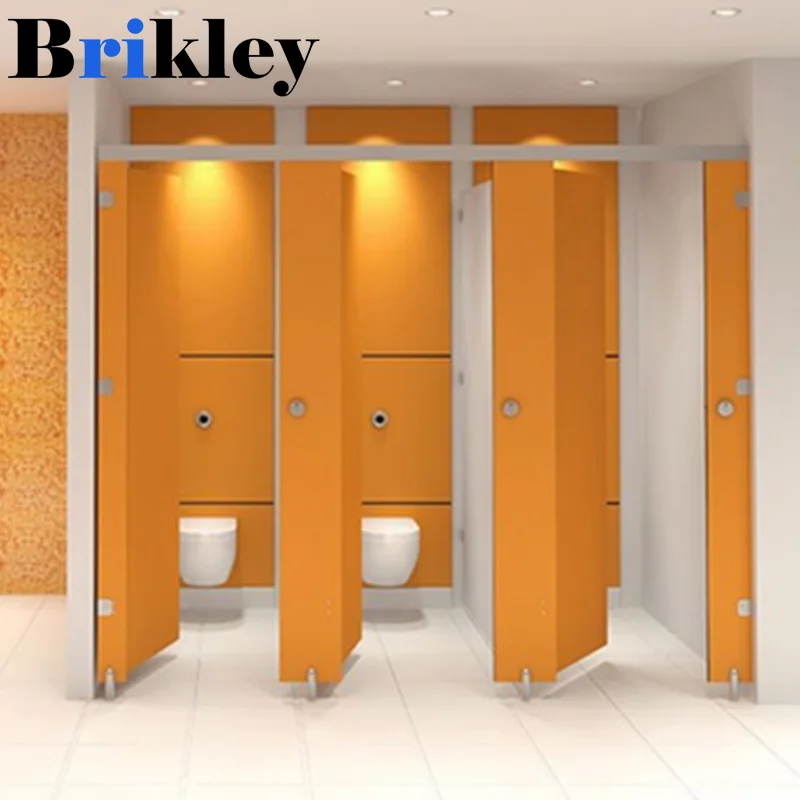
The construction industry has witnessed a significant shift toward sustainable and cost-effective building materials that deliver superior performance over extended periods. HPL toilet partition systems represent this evolution, incorporating advanced manufacturing techniques that create dense, non-porous surfaces resistant to bacteria, scratches, and impact damage. These characteristics make them particularly valuable in high-traffic environments where traditional materials often fail to meet operational demands.
Understanding the comprehensive benefits of HPL toilet partition installations requires examining their material composition, installation advantages, and long-term operational savings. This analysis reveals why these partitions have become the preferred choice for modern restroom facilities across diverse commercial sectors.
Superior Material Properties and Construction
Advanced High-Pressure Laminate Technology
The foundation of every HPL toilet partition lies in its sophisticated manufacturing process, where multiple layers of kraft paper are impregnated with phenolic resins and compressed under extreme heat and pressure. This process creates a homogeneous material with exceptional density and strength characteristics that far exceed traditional partition materials. The resulting product demonstrates remarkable resistance to delamination, warping, and structural failure even under extreme environmental conditions.
Each layer within the HPL toilet partition structure serves a specific purpose, from the decorative surface layer that provides aesthetic appeal to the core layers that deliver structural integrity. The phenolic resin saturation throughout the material creates a non-porous surface that prevents moisture penetration and bacterial growth, essential qualities for maintaining hygienic restroom environments.
The manufacturing precision ensures consistent thickness and uniform properties across every panel, eliminating weak points that could compromise performance. This attention to detail translates into partitions that maintain their structural integrity and appearance throughout their extended service life.
Exceptional Durability and Longevity
HPL toilet partition systems demonstrate remarkable resistance to the harsh conditions typical of commercial restroom environments. The material withstands constant exposure to cleaning chemicals, moisture, temperature fluctuations, and physical impact without degrading or losing structural integrity. This durability stems from the dense molecular structure created during the high-pressure lamination process.
Testing data consistently shows that HPL toilet partition installations maintain their performance characteristics for decades, with many installations exceeding twenty-five years of service without requiring replacement. This longevity significantly reduces life-cycle costs and minimizes disruption to facility operations that would otherwise result from frequent maintenance or replacement activities.
The material's resistance to graffiti and vandalism provides additional value in public facilities where security and maintenance concerns are paramount. Surface treatments can be applied without affecting the underlying material properties, allowing for easy restoration of damaged surfaces without complete panel replacement.
Economic Benefits and Cost Analysis
Initial Investment Considerations
While the upfront cost of HPL toilet partition systems may exceed basic alternatives, comprehensive cost analysis reveals significant long-term savings that justify the initial investment. The durable construction eliminates frequent replacement cycles associated with lower-grade materials, spreading the initial cost over an extended service period that dramatically reduces annual ownership expenses.
Installation efficiency contributes to cost savings through reduced labor requirements and faster project completion times. The precise manufacturing tolerances and standardized hardware systems enable experienced installers to complete HPL toilet partition projects with minimal waste and rework, translating into lower overall project costs.
The material's stability and precision manufacturing reduce the need for custom modifications during installation, further streamlining the construction process and minimizing unexpected expenses that often arise with inferior partition systems.
Maintenance and Operational Savings
The non-porous surface of HPL toilet partition panels requires minimal maintenance compared to traditional materials that absorb moisture and harbor bacteria. Standard cleaning procedures using conventional commercial cleaners effectively maintain hygiene and appearance without requiring specialized products or techniques that increase operational costs.
Facility managers report substantial reductions in maintenance labor hours and material costs after converting to HPL toilet partition systems. The material's resistance to staining, scratching, and moisture damage eliminates many common maintenance issues that consume resources and disrupt facility operations.
Energy efficiency benefits emerge from the material's thermal properties, which help maintain consistent restroom temperatures and reduce HVAC loads. This characteristic contributes to overall building energy performance and supports sustainability initiatives while reducing operational expenses.
Design Flexibility and Aesthetic Appeal
Customization Options and Finishes
Modern HPL toilet partition systems offer extensive design possibilities through a wide range of colors, textures, and patterns that complement contemporary architectural styles. The decorative surface layer can replicate natural materials like wood grain or stone textures while maintaining the superior performance characteristics of the underlying HPL structure.
Custom color matching capabilities enable architects and designers to integrate HPL toilet partition installations seamlessly into existing design schemes or create distinctive visual statements that enhance the overall restroom environment. The color stability ensures that selected finishes maintain their appearance throughout the partition's service life without fading or discoloration.
Edge banding options and hardware selections further expand design possibilities, allowing for cohesive integration with other restroom fixtures and architectural elements. These customization options enable facilities to create unique environments that reflect their brand identity while benefiting from superior material performance.
Integration with Modern Restroom Design
Contemporary restroom design emphasizes cleanliness, accessibility, and user comfort, objectives that align perfectly with HPL toilet partition capabilities. The smooth, non-porous surfaces contribute to improved hygiene by eliminating hiding places for bacteria and simplifying cleaning procedures that maintain sanitary conditions.
The structural strength of HPL toilet partition systems enables innovative design approaches, including floor-to-ceiling installations and wide-span configurations that would be impractical with weaker materials. This flexibility supports the creation of more open, accessible restroom layouts that comply with ADA requirements and enhance user experience.
Sound dampening properties inherent in the dense HPL construction contribute to quieter restroom environments, addressing privacy concerns that are increasingly important in modern facility design. This acoustic performance enhances user comfort without requiring additional soundproofing measures.
Environmental Impact and Sustainability
Eco-Friendly Manufacturing and Materials
The production process for HPL toilet partition materials incorporates sustainable practices that minimize environmental impact while delivering superior performance. Many manufacturers utilize recycled content in the core layers and employ energy-efficient manufacturing techniques that reduce carbon footprint without compromising product quality.
The extended service life of HPL toilet partition installations contributes significantly to environmental sustainability by reducing material consumption and waste generation associated with frequent replacements. This longevity factor amplifies the environmental benefits of choosing high-performance materials over disposable alternatives.
Low-emission adhesives and finishes used in HPL toilet partition manufacturing support indoor air quality objectives and contribute to green building certification programs such as LEED. These environmental considerations align with corporate sustainability goals while delivering practical performance benefits.
Waste Reduction and Life-Cycle Benefits
The durability and repairability of HPL toilet partition systems significantly reduce construction and demolition waste compared to alternatives that require frequent replacement. Individual panels can often be refinished or repaired rather than replaced, further extending service life and minimizing waste generation.
At the end of their service life, HPL toilet partition materials can be recycled or repurposed for other applications, supporting circular economy principles and reducing landfill disposal. The stable chemical composition ensures that end-of-life processing does not release harmful substances into the environment.
Energy efficiency benefits throughout the partition's service life contribute to reduced building energy consumption and associated environmental impacts. These factors combine to create a compelling sustainability profile that supports both environmental and economic objectives.
Installation Advantages and Technical Performance
Streamlined Installation Process
The precision manufacturing of HPL toilet partition components ensures consistent quality and dimensional accuracy that simplifies installation procedures. Standardized hardware systems and detailed installation instructions enable experienced contractors to complete projects efficiently with minimal complications or delays.
The lightweight yet strong construction of HPL toilet partition panels reduces handling requirements and enables installation in locations where structural loading limitations might preclude heavier alternatives. This characteristic expands application possibilities and reduces structural modification requirements that can increase project costs.
Quality control measures during manufacturing minimize field adjustments and ensure that components fit together properly without requiring extensive modification or custom work. This reliability translates into predictable installation schedules and reduced labor costs that benefit both contractors and facility owners.
Long-Term Performance Reliability
HPL toilet partition systems demonstrate consistent performance characteristics that remain stable throughout their service life, providing predictable maintenance requirements and operational costs. The material's resistance to environmental factors ensures that performance does not degrade significantly over time, maintaining user satisfaction and facility functionality.
Structural testing data confirms that HPL toilet partition installations maintain their load-bearing capacity and stability even after decades of service, providing ongoing safety and reliability. This performance consistency eliminates the uncertainty associated with materials that may fail unpredictably or require frequent monitoring and maintenance.
The thermal stability of HPL toilet partition materials prevents warping, expansion, and contraction issues that can compromise door operation and privacy seals in other partition systems. This dimensional stability ensures consistent functionality regardless of environmental conditions or seasonal variations.
FAQ
How long do HPL toilet partitions typically last in commercial applications
HPL toilet partition systems typically provide twenty-five to thirty years of reliable service in commercial applications when properly installed and maintained. The dense, non-porous construction resists moisture damage, bacterial growth, and physical wear that commonly affects other partition materials. Many installations exceed their expected service life, with some facilities reporting successful operation for over three decades without requiring replacement.
What maintenance is required for HPL toilet partition systems
HPL toilet partition maintenance involves routine cleaning with standard commercial cleaners and periodic inspection of hardware components. The non-porous surface prevents staining and bacterial growth, eliminating the need for specialized cleaning products or intensive maintenance procedures. Hardware lubrication and minor adjustments may be required periodically, but the partitions themselves typically require no maintenance beyond regular cleaning throughout their service life.
Can HPL toilet partitions be customized to match existing design schemes
Modern HPL toilet partition systems offer extensive customization options including hundreds of colors, textures, and patterns that can complement any architectural design. Custom color matching services enable precise coordination with existing finishes, while various edge treatments and hardware options provide additional design flexibility. The decorative surface layer can replicate natural materials while maintaining superior performance characteristics, allowing designers to achieve their aesthetic goals without compromising functionality.
Are HPL toilet partitions suitable for high-traffic public facilities
HPL toilet partition systems excel in high-traffic environments such as airports, shopping centers, schools, and stadiums where durability and vandal resistance are essential. The material's exceptional impact resistance and non-porous surface withstand heavy use while maintaining appearance and functionality. Many public facilities choose HPL toilet partition installations specifically for their ability to handle thousands of daily users without showing wear or requiring frequent maintenance, making them ideal for demanding commercial applications.