
 EN
EN
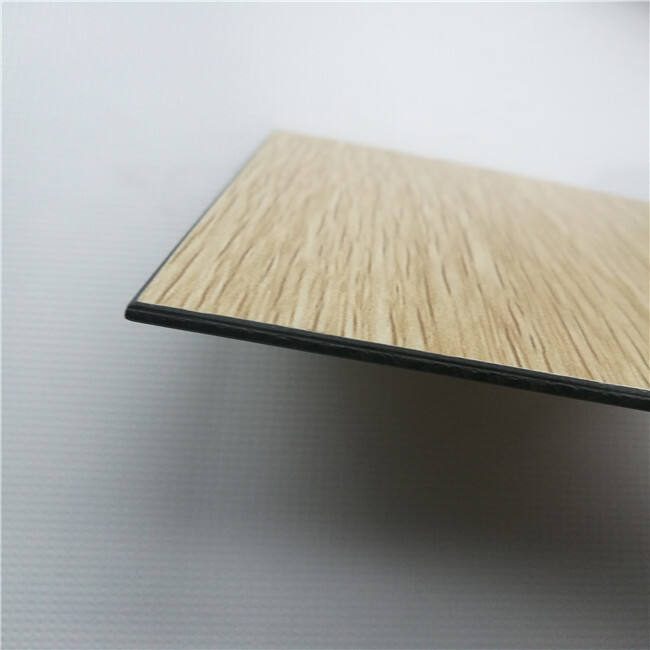
High-pressure laminate tabletops have become increasingly popular in educational institutions, offices, and commercial spaces due to their exceptional durability and low-maintenance characteristics. Understanding proper maintenance techniques for your HPL tabletop ensures maximum longevity and preserves the surface's aesthetic appeal throughout years of daily use. These engineered surfaces combine multiple layers of kraft paper with decorative paper, all bonded together under intense heat and pressure to create a remarkably resilient work surface that withstands the rigors of constant utilization.
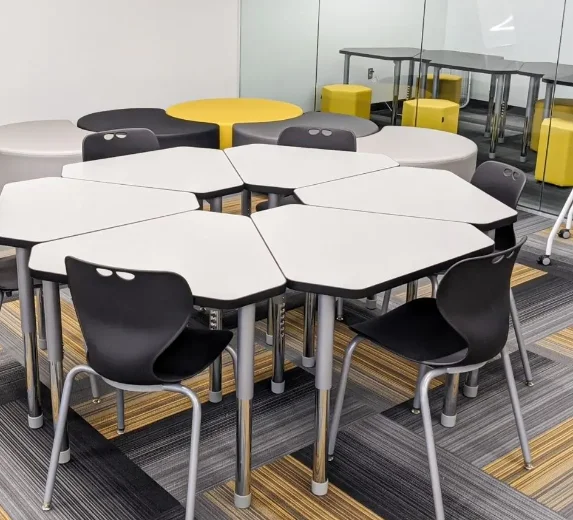
The manufacturing process of HPL tabletop materials involves sophisticated compression techniques that result in surfaces capable of resisting scratches, stains, and impact damage better than traditional wood or basic laminate alternatives. Educational facilities particularly benefit from these characteristics, as student desks and teacher workstations experience heavy daily use that would quickly deteriorate lesser materials. Proper maintenance practices not only extend the lifespan of these surfaces but also maintain their professional appearance and hygienic properties essential in learning environments.
Understanding HPL Tabletop Construction and Properties
Multi-Layer Composition Benefits
The sophisticated construction of an HPL tabletop begins with multiple layers of kraft paper that provide structural integrity and dimensional stability. These foundation layers are saturated with thermosetting resins that cure under extreme pressure, creating a dense core that resists warping and expansion. The decorative surface layer features high-resolution patterns or solid colors that maintain their vibrancy even after years of exposure to daily cleaning products and environmental factors.
Understanding this layered construction helps facility managers appreciate why proper maintenance techniques are crucial for preserving the surface's integrity. The resin-saturated layers work together to create a non-porous surface that prevents bacterial growth and makes cleaning more effective. This construction method also contributes to the material's ability to withstand temperature fluctuations common in educational and office environments without compromising structural stability or surface appearance.
Surface Characteristics and Performance
Modern HPL tabletop surfaces exhibit remarkable resistance to common damage sources including heat marks, chemical stains, and abrasion from daily use. The surface hardness achieved through the high-pressure manufacturing process creates a protective barrier that maintains its integrity even under constant contact with writing instruments, electronic devices, and cleaning solutions. This durability makes HPL surfaces particularly suitable for environments where multiple users interact with the same surface throughout each day.
The non-porous nature of properly manufactured HPL tabletop materials prevents liquids from penetrating the surface, which significantly reduces the risk of permanent staining and bacterial contamination. This characteristic proves especially valuable in educational settings where spills are common and hygiene standards must be maintained. The smooth surface texture also facilitates easy cleaning while providing sufficient grip to prevent items from sliding during normal use activities.
Daily Cleaning Protocols for HPL Surfaces
Routine Maintenance Procedures
Establishing consistent daily cleaning routines forms the foundation of effective HPL tabletop maintenance and significantly extends surface lifespan. Begin each cleaning cycle by removing loose debris and dust using a microfiber cloth or soft-bristled brush to prevent abrasive particles from scratching the surface during subsequent cleaning steps. This preliminary step is particularly important in educational environments where chalk dust, pencil shavings, and other particulates accumulate rapidly throughout the school day.
Following debris removal, apply a mild, pH-neutral cleaning solution using a damp microfiber cloth, working in circular motions to ensure even coverage across the entire HPL tabletop surface. Avoid excessive moisture that could seep into edge joints or mounting hardware, as prolonged exposure to water can compromise adhesive bonds over time. Complete the cleaning process by immediately drying the surface with a clean, lint-free cloth to prevent water spots and maintain the material's natural luster.
Appropriate Cleaning Solutions and Tools
Selecting appropriate cleaning products ensures effective maintenance without damaging the HPL tabletop surface or compromising its protective properties. Mild dish soap diluted in warm water provides excellent cleaning power for routine maintenance while remaining gentle enough for daily use. Commercial cleaners specifically formulated for laminate surfaces offer enhanced cleaning efficiency but should be tested in an inconspicuous area before widespread application to ensure compatibility with your specific HPL surface finish.
Microfiber cloths represent the optimal cleaning tool choice for HPL tabletop maintenance due to their ability to capture particles without scratching while effectively absorbing cleaning solutions and moisture. Avoid abrasive materials including steel wool, scouring pads, or rough paper towels that can create microscopic scratches accumulating over time to dull the surface finish. Soft-bristled brushes work effectively for textured HPL surfaces where debris might collect in surface patterns without causing damage to the protective layer.
Preventive Care and Protection Strategies
Heat and Impact Protection
While HPL tabletop materials demonstrate excellent heat resistance compared to traditional surfaces, implementing protective measures prevents cumulative damage from repeated thermal exposure. Encourage users to place hot beverages on coasters or trivets rather than directly on the surface, as prolonged contact with extremely hot items can potentially cause discoloration or thermal shock in the laminate layers. This practice becomes especially important in faculty lounges and conference rooms where hot beverages are frequently consumed.
Impact protection involves both user education and strategic placement of protective accessories during high-activity periods. Consider providing desk pads or blotters for areas experiencing heavy writing activity, as repeated pressure from pencils and pens can gradually wear surface patterns. In computer labs and technology centers, encourage the use of mouse pads and keyboard wrists rests to distribute weight more evenly across the HPL tabletop surface while reducing localized wear patterns.
Environmental Considerations
Maintaining optimal environmental conditions contributes significantly to HPL tabletop longevity by preventing expansion and contraction cycles that can stress edge joints and surface bonds. Facility managers should monitor humidity levels, maintaining them between 30-50% relative humidity when possible to minimize dimensional changes in the substrate materials. Excessive humidity can cause substrate expansion, while very dry conditions may lead to contraction that stresses the laminate bond.
Direct sunlight exposure can gradually fade decorative patterns in HPL tabletop surfaces, particularly those with vibrant colors or wood grain patterns. Installing window treatments or positioning workstations to minimize prolonged sun exposure helps preserve color consistency and prevents uneven fading that creates an unprofessional appearance. Temperature stability also plays a role, as rapid temperature changes can cause differential expansion rates between the laminate surface and substrate core.
Addressing Common Maintenance Challenges
Stain Removal Techniques
Most stains on properly maintained HPL tabletop surfaces can be removed using gentle techniques that preserve the surface integrity while effectively eliminating discoloration. For fresh spills, immediate attention prevents penetration into microscopic surface pores that might develop over time. Blot liquid spills with absorbent materials rather than wiping, which can spread the contamination across a larger area and potentially force liquids into surface imperfections.
Stubborn stains may require specialized treatment approaches depending on the contamination source. Ink stains often respond well to isopropyl alcohol applied with a cotton swab, followed by immediate cleaning with mild soap solution and thorough drying. Adhesive residue from tape or labels can typically be softened with warm air from a hair dryer before gentle removal with a plastic scraper, ensuring no metal tools contact the HPL tabletop surface during the process.
Scratch and Wear Management
While HPL tabletop materials resist scratching better than most alternatives, minor surface imperfections may develop over years of intensive use. Light scratches often become less noticeable when the surface is properly cleaned and conditioned, as accumulated debris and cleaning residue can make minor imperfections appear more pronounced. Regular maintenance with appropriate products helps maintain the surface's natural luster and minimize the appearance of wear patterns.
For deeper scratches that penetrate the decorative layer, professional repair may be necessary to restore appearance and prevent moisture infiltration. Document any significant damage promptly and consult with the manufacturer or qualified repair technician to determine appropriate remediation strategies. Prevention remains the most cost-effective approach, emphasizing the importance of user education and protective measures in high-traffic areas.
Long-Term Maintenance Planning
Scheduled Deep Cleaning
Implementing regular deep cleaning schedules beyond daily maintenance helps preserve HPL tabletop appearance and functionality over extended periods. Monthly deep cleaning should include detailed attention to edge profiles, mounting hardware, and junction areas where debris and cleaning residue tend to accumulate. These areas often receive less attention during routine cleaning but can harbor bacteria and develop unsightly buildup that detracts from the overall surface appearance.
Deep cleaning procedures may include the use of specialized laminate conditioners that restore luster and provide additional protection against future staining and wear. These products should be applied according to manufacturer specifications and tested in inconspicuous areas before full application. Document the cleaning schedule and products used to maintain consistency and track the effectiveness of different maintenance approaches over time.
Inspection and Assessment Protocols
Regular inspection of HPL tabletop surfaces helps identify potential problems before they require expensive repairs or replacement. Develop a systematic approach to examine surfaces for signs of delamination, particularly around edges and high-stress areas where the laminate bond may be subjected to additional forces. Early detection of bond failures allows for prompt professional repair that can significantly extend surface life.
Documenting surface condition through photographs and written reports creates valuable maintenance records that help predict replacement schedules and justify budget allocations. Track areas experiencing accelerated wear to identify usage patterns that might benefit from additional protective measures or user education initiatives. This data proves invaluable when specifying future HPL tabletop installations and developing more effective maintenance protocols.
Cost-Effective Maintenance Solutions
Budget-Friendly Cleaning Alternatives
Educational institutions and businesses operating under tight budget constraints can maintain excellent HPL tabletop condition using cost-effective cleaning solutions and techniques. White vinegar diluted with water creates an effective, economical cleaning solution that removes most common stains and residues without requiring expensive specialized products. This natural alternative works particularly well for routine maintenance while being safe for users and environmentally responsible.
Purchasing cleaning supplies in bulk and training staff in proper techniques reduces long-term maintenance costs while ensuring consistent care standards across all HPL tabletop installations. Developing in-house maintenance protocols eliminates the need for frequent professional cleaning services while empowering facility staff with the knowledge and tools necessary to maintain surfaces effectively. Document successful techniques and share best practices among maintenance teams to optimize resource utilization.
Equipment and Supply Management
Centralized storage and distribution of cleaning supplies ensures consistent product availability while preventing the use of inappropriate cleaning materials that could damage HPL tabletop surfaces. Create clearly labeled storage areas with approved cleaning products, microfiber cloths, and protective equipment readily accessible to maintenance staff. Include safety data sheets and usage instructions to promote safe handling practices and optimal cleaning results.
Implement inventory management systems that track cleaning supply consumption and automatically reorder products before depletion occurs. This proactive approach prevents maintenance delays due to supply shortages while taking advantage of bulk purchasing opportunities that reduce per-unit costs. Regular evaluation of cleaning product effectiveness helps identify opportunities to optimize supply selections and improve maintenance outcomes.
FAQ
How often should I clean my HPL tabletop surface?
Daily cleaning is recommended for HPL tabletop surfaces in high-use environments such as schools and offices. Light cleaning with a damp microfiber cloth removes daily accumulation of dust, fingerprints, and minor spills. Weekly deep cleaning with appropriate cleaning solutions helps maintain the surface's appearance and hygienic properties. In lower-use environments, cleaning frequency can be reduced to 2-3 times per week while maintaining excellent surface condition.
What cleaning products should I avoid when maintaining HPL surfaces?
Avoid abrasive cleaners, bleach-based products, ammonia-containing solutions, and acidic cleaners that can damage the protective surface layer of HPL tabletop materials. Steel wool, scouring pads, and abrasive paper towels should never be used as they can create permanent scratches. Furniture polish and wax-based products can leave residues that attract dirt and create slippery surfaces, making them inappropriate for HPL maintenance.
Can scratches in HPL tabletop surfaces be repaired?
Minor surface scratches in HPL tabletop materials often become less noticeable with proper cleaning and may be minimized using specialized laminate repair products. However, deep scratches that penetrate through the decorative layer typically require professional repair or replacement of the affected section. Prevention through proper use practices and protective measures remains the most effective approach to maintaining scratch-free HPL surfaces.
How do I remove stubborn stains from my HPL tabletop?
For stubborn stains on HPL tabletop surfaces, start with a paste made from baking soda and water, allowing it to sit for several minutes before gently rubbing with a soft cloth. Ink stains may respond to isopropyl alcohol applied with a cotton swab. For persistent stains, commercial laminate cleaners designed specifically for HPL surfaces often provide effective results without damaging the protective surface layer. Always test cleaning methods in an inconspicuous area first.