
 EN
EN
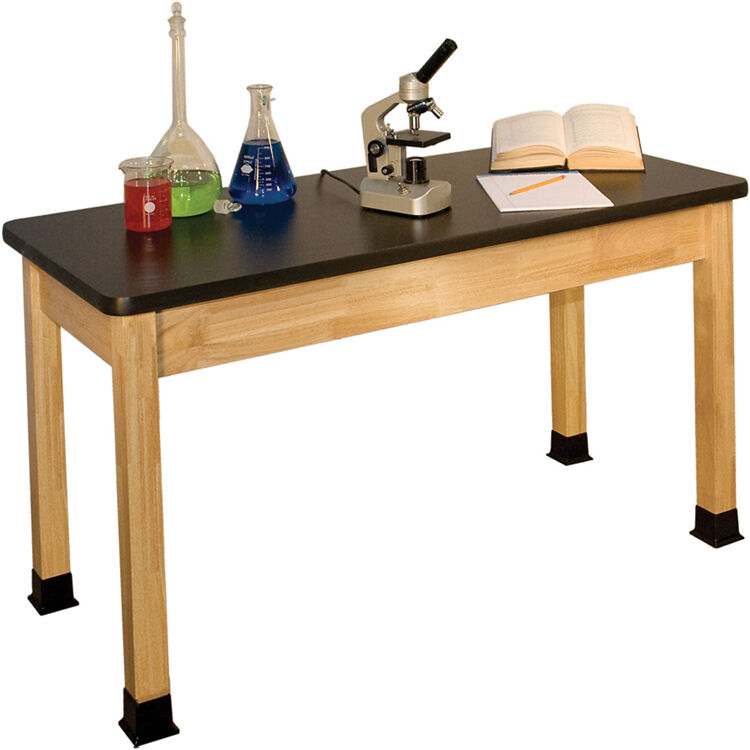
High Pressure Laminate tabletops have revolutionized the furniture industry with their exceptional durability and versatile design options. An HPL tabletop offers superior performance characteristics that make it ideal for both commercial establishments and residential environments. This engineered surface material combines multiple layers of kraft paper with decorative paper, all bonded together under extreme heat and pressure to create a remarkably resilient surface. The manufacturing process results in a product that withstands heavy daily use while maintaining its aesthetic appeal for years to come.
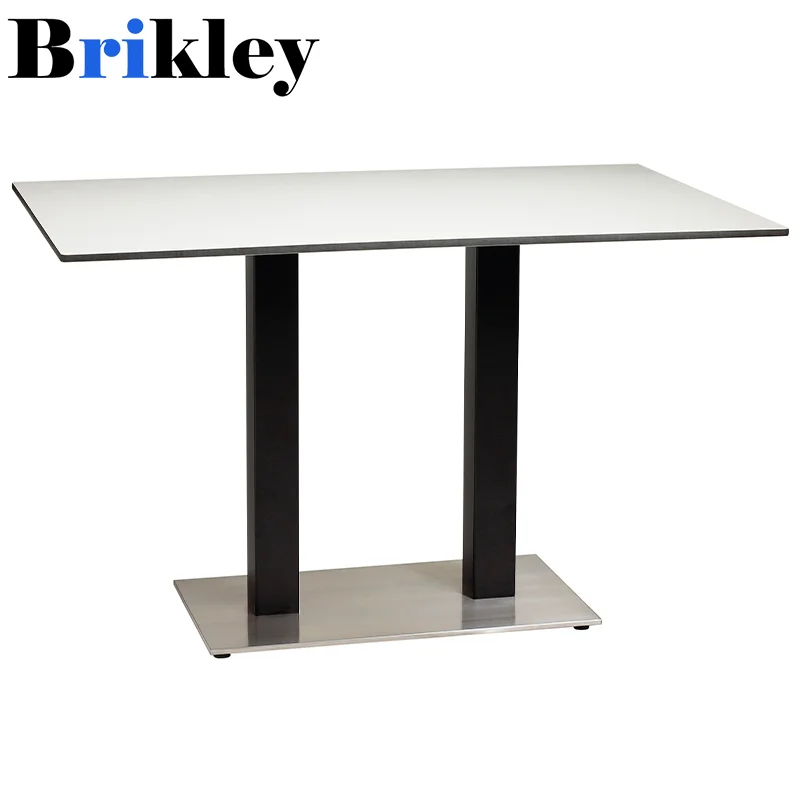
The growing popularity of HPL tabletops stems from their ability to address the demanding requirements of modern spaces. Whether installed in busy restaurants, corporate offices, or family dining rooms, these surfaces deliver consistent performance without compromising on style. The advanced manufacturing techniques used in creating HPL tabletops ensure that each piece meets stringent quality standards while offering design flexibility that traditional materials cannot match.
Understanding HPL Tabletop Construction and Materials
Layer Composition and Manufacturing Process
The construction of an HPL tabletop involves a sophisticated multi-layer approach that creates its renowned strength and durability. The base layer consists of multiple sheets of kraft paper saturated with phenolic resin, which provides structural integrity and moisture resistance. Above this foundation, manufacturers apply a decorative paper layer that determines the visual appearance of the finished HPL tabletop. This decorative layer can feature wood grains, solid colors, abstract patterns, or even photographic images.
The final protective layer, known as the overlay, consists of a clear melamine-saturated paper that shields the decorative design from wear, stains, and UV damage. During production, these layers are subjected to pressures exceeding 1,000 pounds per square inch and temperatures reaching 300 degrees Fahrenheit. This intense manufacturing process fuses the layers into a homogeneous material that exhibits properties superior to any individual component.
Quality Standards and Certification Requirements
Professional-grade HPL tabletops must meet rigorous industry standards to ensure consistent performance across various applications. The National Electrical Manufacturers Association establishes specifications for high-pressure decorative laminates, including requirements for impact resistance, wear resistance, and dimensional stability. These standards ensure that every HPL tabletop can withstand the rigors of commercial use while maintaining its appearance over extended periods.
Testing procedures for HPL tabletops include assessments of heat resistance, stain resistance, and light fastness. Manufacturers subject samples to standardized tests that simulate years of normal use within accelerated timeframes. Products that earn certification demonstrate their ability to resist common sources of damage including coffee stains, cigarette burns, and scratching from daily use.
Commercial Applications and Performance Benefits
Restaurant and Hospitality Industry Usage
The restaurant industry has embraced HPL tabletops as the preferred surface material for dining establishments due to their exceptional hygiene properties and maintenance simplicity. Unlike traditional wood surfaces that can harbor bacteria in scratches and grain patterns, an HPL tabletop provides a non-porous surface that prevents bacterial growth and facilitates thorough cleaning. This characteristic makes HPL tabletops particularly valuable in food service environments where sanitation standards are paramount.
Busy restaurants require furniture that can withstand constant use without showing signs of wear. HPL tabletops excel in these demanding conditions, resisting stains from spilled beverages, sauces, and other food items that would permanently damage conventional surfaces. The material's resistance to heat allows it to accommodate hot dishes and cookware without sustaining damage, while its impact resistance prevents chipping and cracking from heavy dishware.
Office and Corporate Environment Applications
Modern office environments benefit significantly from incorporating HPL tabletops into their furniture specifications. Conference tables, desk surfaces, and collaborative workspaces all benefit from the durability and professional appearance that HPL tabletops provide. The material's resistance to scratching ensures that work surfaces maintain their pristine appearance despite daily use with computers, documents, and office equipment.
Corporate environments also appreciate the design versatility that HPL tabletops offer. Available in hundreds of colors, patterns, and textures, these surfaces can complement any interior design scheme while providing the functionality required for productive work environments. The consistent quality and appearance of HPL tabletops help create cohesive design themes throughout large office complexes.
Residential Applications and Design Flexibility
Kitchen and Dining Room Integration
Homeowners increasingly choose HPL tabletops for their dining rooms and kitchen islands due to the material's ability to withstand family life while maintaining an attractive appearance. The surface resists common household hazards including wine spills, craft projects, homework activities, and casual dining mishaps. Families with children particularly appreciate how HPL tabletops resist damage from crayons, markers, and other art supplies that would permanently stain traditional surfaces.
The design options available for residential HPL tabletops allow homeowners to achieve high-end appearances without the maintenance requirements of natural materials. Wood grain patterns provide the warmth and beauty of hardwood without the need for periodic refinishing, while solid color options offer contemporary aesthetics that complement modern home designs. The consistency of HPL tabletops ensures that replacement pieces will match existing installations perfectly.
Outdoor and Patio Furniture Applications
Specialized exterior-grade HPL tabletops extend the benefits of this material to outdoor living spaces. These enhanced formulations resist UV degradation, moisture infiltration, and temperature fluctuations that would damage conventional outdoor furniture surfaces. Patio dining sets, poolside tables, and garden furniture all benefit from the weather resistance that properly specified HPL tabletops provide.
The low maintenance requirements of outdoor HPL tabletops make them particularly attractive for busy homeowners who want attractive outdoor spaces without extensive upkeep obligations. Unlike wood surfaces that require annual staining or sealing, HPL tabletops maintain their appearance with simple cleaning procedures throughout their service life.
Maintenance and Care Requirements
Daily Cleaning and Sanitization Procedures
Proper maintenance of HPL tabletops requires minimal effort while delivering maximum longevity and appearance retention. Daily cleaning involves wiping surfaces with mild soap solutions or commercial cleaners specifically formulated for laminate surfaces. The non-porous nature of HPL tabletops prevents liquids from penetrating the surface, making spill cleanup quick and complete without leaving permanent stains or odors.
For commercial applications where frequent sanitization is required, HPL tabletops accommodate standard disinfectants without suffering damage or discoloration. This compatibility with cleaning chemicals makes HPL tabletops particularly valuable in healthcare facilities, schools, and food service establishments where rigorous hygiene protocols are essential for public health and safety.
Long-term Preservation and Damage Prevention
While HPL tabletops offer exceptional durability, following proper care guidelines ensures optimal performance throughout their service life. Avoiding abrasive cleaning materials prevents surface scratching that could compromise the protective overlay layer. Using cutting boards and trivets protects against the few types of damage that can affect HPL surfaces, including deep cuts from sharp knives and thermal shock from extremely hot items.
Regular inspection of HPL tabletops allows for early detection of any damage that might require professional attention. While these surfaces resist most types of wear, addressing issues promptly prevents minor problems from developing into more significant concerns that could affect functionality or appearance.
Cost Analysis and Value Proposition
Initial Investment Considerations
The upfront cost of HPL tabletops reflects the sophisticated manufacturing processes and high-quality materials used in their construction. While the initial investment may exceed that of basic particle board or melamine surfaces, the superior performance characteristics of HPL tabletops justify the additional expense through extended service life and reduced maintenance requirements. Commercial buyers particularly benefit from this value proposition as the durability of HPL tabletops reduces replacement costs and minimizes business disruption.
Residential customers find that HPL tabletops offer premium aesthetics at a fraction of the cost of solid wood or stone surfaces. The ability to achieve sophisticated design effects without the premium price of natural materials makes HPL tabletops an attractive option for budget-conscious consumers who refuse to compromise on quality or appearance.
Long-term Ownership Economics
The total cost of ownership for HPL tabletops typically proves favorable when compared to alternative surface materials over extended periods. The minimal maintenance requirements eliminate costs associated with refinishing, resealing, or other periodic treatments required by natural materials. Commercial establishments often find that the reduced downtime associated with HPL tabletop maintenance translates into measurable operational savings.
The extended service life of properly maintained HPL tabletops further enhances their economic attractiveness. While cheaper alternatives may require replacement every few years, quality HPL tabletops can provide decades of reliable service with minimal degradation in appearance or functionality.
Environmental Impact and Sustainability
Manufacturing Environmental Considerations
Modern HPL tabletop manufacturing incorporates environmental responsibility through efficient resource utilization and waste reduction programs. Leading manufacturers have implemented closed-loop water systems that minimize freshwater consumption while treating and recycling process water. Energy-efficient production equipment reduces the carbon footprint associated with the high-pressure manufacturing process required to create HPL tabletops.
The paper components used in HPL tabletops increasingly come from certified sustainable forests, ensuring that raw material harvesting supports responsible forest management practices. Some manufacturers now offer HPL tabletops that incorporate recycled content without compromising performance characteristics, further enhancing the environmental profile of these products.
End-of-Life Disposal and Recycling Options
The long service life of HPL tabletops inherently reduces environmental impact by minimizing replacement frequency and associated waste generation. When HPL tabletops do reach the end of their useful life, several disposal options exist that minimize environmental impact. Some regions have developed specialized recycling programs that can process thermoset materials like those used in HPL construction.
Manufacturers continue developing new recycling technologies that could eventually allow spent HPL tabletops to be reprocessed into new products. These innovations represent important steps toward creating truly circular material flows that eliminate waste while preserving the performance advantages that make HPL tabletops attractive to designers and end users.
FAQ
How long do HPL tabletops typically last in commercial environments?
HPL tabletops in commercial settings typically provide 15-20 years of reliable service when properly maintained. High-traffic areas like restaurants and offices may see slightly shorter lifespans, while less demanding applications can extend service life beyond 20 years. The actual longevity depends on usage intensity, maintenance quality, and environmental conditions.
Can HPL tabletops be repaired if damaged?
Minor surface damage to HPL tabletops can often be addressed through professional repair techniques, though the success depends on the type and extent of damage. Small scratches may be buffed out, while more significant damage might require partial surface replacement. However, the exceptional durability of HPL tabletops means that repair needs are relatively rare compared to other surface materials.
Are HPL tabletops suitable for outdoor use?
Specially formulated exterior-grade HPL tabletops are designed specifically for outdoor applications and provide excellent weather resistance. These products feature enhanced UV protection and moisture resistance that allows them to withstand outdoor conditions without degradation. Standard interior-grade HPL tabletops should not be used outdoors as they lack the additional protection required for weather exposure.
What makes HPL tabletops more hygienic than other surface materials?
The non-porous surface of HPL tabletops prevents bacteria, viruses, and other microorganisms from penetrating the material where they could multiply and create hygiene concerns. This characteristic, combined with compatibility with standard disinfectants, makes HPL tabletops particularly valuable in healthcare, food service, and educational applications where sanitation is critical.