
 EN
EN
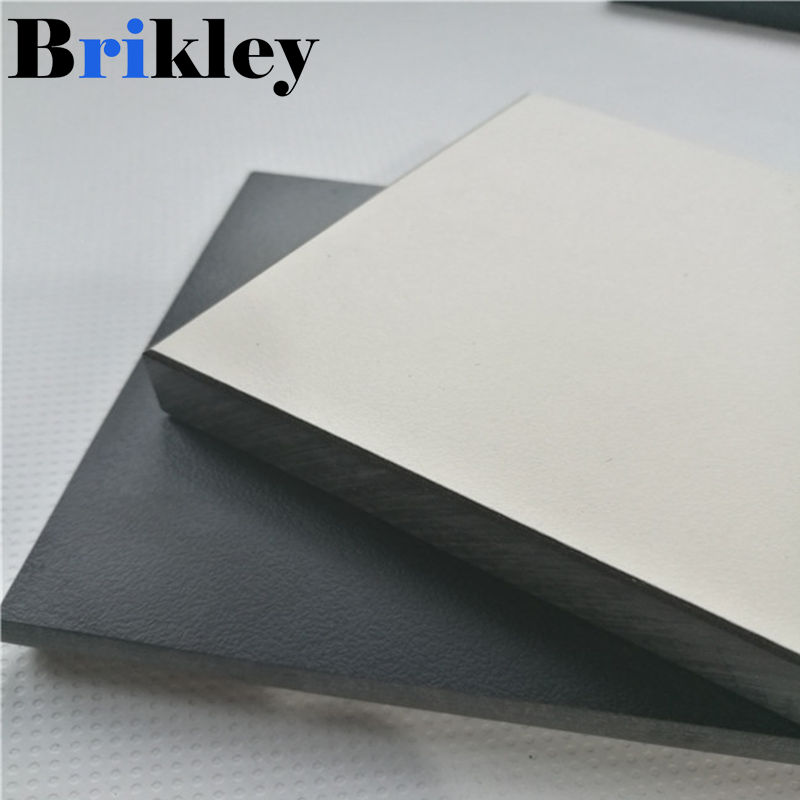
High Pressure Laminate tabletops have revolutionized modern workspace design by delivering unmatched durability and aesthetic appeal in commercial and educational environments. The HPL tabletop technology combines multiple layers of kraft paper with decorative surfaces, creating work surfaces that withstand intensive daily use while maintaining their professional appearance. Organizations worldwide are increasingly adopting HPL tabletop solutions for their superior performance characteristics and cost-effectiveness. Understanding the specific advantages of HPL tabletop construction helps decision-makers select the most appropriate work surface materials for their unique operational requirements.
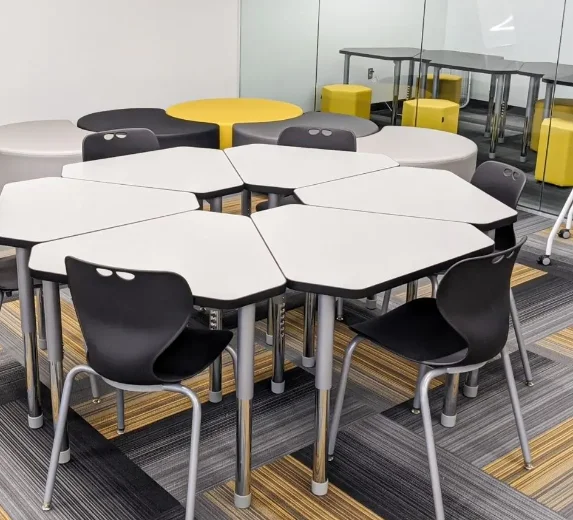
Superior Durability and Longevity Characteristics
Exceptional Impact Resistance Properties
The manufacturing process of HPL tabletop involves subjecting multiple paper layers to extreme pressure and temperature, resulting in exceptional impact resistance that far exceeds traditional wood or particle board surfaces. This enhanced durability makes HPL tabletop installations ideal for high-traffic work areas where furniture experiences frequent movement, equipment placement, and general wear. Educational institutions particularly benefit from this resilience, as student desks and collaborative tables must endure constant use throughout academic years without showing significant deterioration.
Commercial offices also appreciate the robust nature of HPL tabletop surfaces when supporting heavy equipment such as computers, printers, and office machinery. The dense laminate construction distributes weight evenly across the surface, preventing localized damage or indentations that commonly occur with softer materials. This structural integrity ensures workspace functionality remains consistent over extended periods, reducing replacement costs and maintenance requirements.
Chemical and Stain Resistance Benefits
HPL tabletop surfaces demonstrate remarkable resistance to common workplace chemicals, cleaning agents, and accidental spills that can permanently damage other surface materials. The non-porous laminate barrier prevents liquids from penetrating the substrate, allowing for immediate cleanup without permanent staining or structural compromise. This chemical resistance proves particularly valuable in laboratory environments, healthcare facilities, and food service applications where sanitization protocols require frequent exposure to disinfectants and cleaning solutions.
The sealed surface of HPL tabletop materials also resists absorption of oils, inks, and other substances commonly encountered in office and educational settings. This characteristic ensures that work surfaces maintain their original appearance and hygienic properties throughout their service life, supporting both aesthetic standards and health requirements in professional environments.
Design Versatility and Aesthetic Options
Extensive Color and Pattern Selection
Modern HPL tabletop manufacturing offers an impressive range of colors, textures, and patterns that can complement any interior design scheme or corporate branding requirements. The decorative paper layer used in HPL tabletop construction can replicate natural wood grains, stone textures, solid colors, or contemporary patterns with remarkable authenticity. This versatility allows designers to achieve specific aesthetic goals without compromising on performance characteristics or durability requirements.
Educational environments particularly benefit from the color options available in HPL tabletop products, as vibrant or calming colors can be selected to support learning objectives and create engaging classroom atmospheres. Corporate settings can maintain brand consistency through coordinated color schemes that reflect company identity while ensuring professional presentation standards.
Seamless Integration Capabilities
The manufacturing precision of HPL tabletop materials enables seamless integration with various edge treatments, support structures, and hardware components commonly used in modern furniture design. Clean, contemporary lines can be achieved through careful edge profiling, while traditional appearances can be maintained through appropriate finishing techniques. This adaptability ensures HPL tabletop installations complement existing furniture and architectural elements within workspace environments.
Modular workspace designs particularly benefit from the consistent dimensions and quality control inherent in HPL tabletop manufacturing processes. Standardized thicknesses and surface properties facilitate the creation of cohesive furniture systems that can be reconfigured as organizational needs evolve, supporting flexible workspace strategies increasingly adopted by modern enterprises.
Maintenance Efficiency and Cost Considerations
Simplified Cleaning and Maintenance Protocols
The non-porous surface characteristics of HPL tabletop materials significantly reduce maintenance requirements compared to traditional wood, metal, or composite alternatives. Routine cleaning involves simple wiping with standard cleaning solutions, eliminating the need for specialized treatments, refinishing procedures, or protective coatings that other surface materials require. This simplified maintenance approach reduces both labor costs and operational disruption in busy work environments.
Facility management teams appreciate the consistent maintenance requirements of HPL tabletop installations across large furniture inventories. Standardized cleaning protocols can be implemented facility-wide without accommodating different material-specific requirements, streamlining training procedures and supply procurement processes. The durability of HPL tabletop surfaces also reduces the frequency of deep cleaning or restoration activities required to maintain professional appearance standards.
Long-term Economic Value Proposition
While initial HPL tabletop investment may exceed some alternative materials, the total cost of ownership typically proves favorable due to extended service life, minimal maintenance requirements, and resistance to damage requiring repair or replacement. Organizations can realize significant savings through reduced furniture replacement cycles, lower maintenance labor costs, and improved operational efficiency resulting from reliable surface performance.
The consistent quality and performance characteristics of HPL tabletop installations also support budget planning accuracy by providing predictable service life expectations and maintenance cost projections. This financial predictability enables more effective capital equipment planning and reduces unexpected expenditures associated with premature furniture failure or extensive maintenance requirements.
Health and Safety Compliance Features
Indoor Air Quality Considerations
Modern HPL tabletop manufacturing processes prioritize indoor environmental quality by utilizing low-emission adhesives and substrates that comply with stringent formaldehyde emission standards. These health-conscious manufacturing approaches ensure HPL tabletop installations contribute to healthy indoor air quality rather than introducing volatile organic compounds that could affect occupant comfort or regulatory compliance requirements.
Educational and healthcare environments particularly benefit from the controlled emission characteristics of quality HPL tabletop products, as these settings often accommodate sensitive populations requiring optimal indoor air quality conditions. Compliance with GREENGUARD or similar certification programs provides assurance that HPL tabletop selections support overall building health objectives while delivering required performance characteristics.
Fire Safety and Building Code Compliance
HPL tabletop materials can be manufactured to meet specific fire safety ratings required by building codes and insurance regulations, providing additional safety assurance in commercial and institutional applications. The laminate construction process allows for incorporation of fire-retardant treatments without compromising surface performance or aesthetic qualities, supporting comprehensive building safety strategies.
The dimensional stability of HPL tabletop materials under temperature variations also contributes to overall building safety by maintaining structural integrity during temperature fluctuations that might cause other materials to warp, crack, or separate. This stability reduces potential safety hazards associated with damaged work surfaces while maintaining consistent performance throughout varying environmental conditions.
Application-Specific Performance Advantages
Educational Environment Optimization
Educational settings demand work surfaces that can withstand intensive use while supporting diverse learning activities ranging from traditional writing tasks to technology integration and collaborative projects. HPL tabletop surfaces excel in these demanding applications by providing consistent writing surfaces that resist indentation from pencils and pens while accommodating technological equipment without surface damage or performance degradation.
The hygienic properties of HPL tabletop surfaces also support health and safety requirements in educational environments where surfaces may be shared among multiple users throughout the day. Easy cleaning and sanitization capabilities help maintain healthy learning environments while reducing custodial labor requirements and associated operational costs.
Corporate Workspace Enhancement
Modern corporate environments require work surfaces that project professional image while supporting diverse work activities and technological integration demands. HPL tabletop installations deliver the aesthetic sophistication expected in corporate settings while providing practical performance characteristics that enhance productivity and operational efficiency. The consistent quality and appearance of HPL tabletop materials support corporate branding objectives and professional presentation requirements.
Collaborative workspace trends particularly benefit from HPL tabletop versatility, as surfaces can accommodate both individual work requirements and group activities without compromising performance or appearance. The durability characteristics ensure that high-use collaborative spaces maintain their professional appearance despite intensive utilization patterns common in modern workplace designs.
FAQ
How long does HPL tabletop typically last in commercial environments
HPL tabletop installations typically provide 15-20 years of service life in commercial environments when properly maintained, significantly exceeding the longevity of many alternative surface materials. The actual lifespan depends on usage intensity, maintenance practices, and environmental conditions, but the inherent durability of HPL tabletop construction ensures extended performance even under demanding conditions.
Can HPL tabletop surfaces be repaired if damaged
While HPL tabletop surfaces are highly resistant to damage, minor scratches or chips can often be addressed through professional repair techniques using color-matched filling compounds and surface refinishing methods. However, the exceptional durability of quality HPL tabletop materials means that significant damage requiring repair occurs infrequently under normal usage conditions.
Are there thickness options available for HPL tabletop applications
HPL tabletop products are available in various thickness options ranging from standard commercial grades to heavy-duty specifications designed for intensive use applications. Thickness selection should be based on intended use patterns, support structure requirements, and performance expectations, with thicker options providing enhanced durability and structural capabilities for demanding environments.
Does HPL tabletop installation require special skills or equipment
HPL tabletop installation typically requires standard woodworking tools and techniques, though proper handling procedures should be followed to prevent damage during installation. Professional installation is recommended for large projects or complex configurations to ensure proper fit, finish quality, and warranty compliance while maximizing the performance benefits of HPL tabletop investments.