
 EN
EN
Selecting the right HPL locker for long-lasting use requires careful evaluation of multiple factors that directly impact durability, functionality, and cost-effectiveness. High Pressure Laminate lockers have become increasingly popular in commercial, educational, and recreational facilities due to their superior resistance to moisture, impact, and daily wear. However, not all HPL locker solutions offer the same level of performance, and making an informed selection decision involves understanding specific material specifications, construction methods, and intended use requirements.
The selection process for HPL locker systems extends beyond basic price comparison and requires thorough analysis of laminate thickness, core material density, hardware quality, and manufacturing standards. Professional buyers must consider environmental conditions, user volume, security requirements, and maintenance protocols to ensure their investment delivers optimal value over the expected service life. Understanding these selection criteria enables facility managers to specify HPL locker configurations that will maintain structural integrity and aesthetic appeal for decades of continuous use.
Understanding HPL Locker Construction Quality
Laminate Thickness and Grade Specifications
The foundation of any durable HPL locker begins with the laminate surface material, which typically ranges from 0.7mm to 1.5mm in thickness. Higher-grade laminates feature enhanced resin content and improved fiber density, providing superior resistance to scratches, chemical exposure, and UV degradation. When evaluating HPL locker options, specify laminates meeting or exceeding industry standards for commercial applications, particularly in high-traffic environments.
Premium HPL locker surfaces undergo specialized curing processes that create molecular bonds between decorative papers and resin matrices. This manufacturing approach results in non-porous surfaces that resist bacterial growth, staining, and moisture penetration. The laminate grade directly correlates with expected service life, making it essential to match material specifications with anticipated usage patterns and environmental exposure levels.
Core Material Density and Structural Integrity
The substrate material beneath HPL surfaces significantly influences overall locker performance and longevity. High-density particleboard cores provide excellent screw-holding capacity and dimensional stability, while medium-density fiberboard offers improved moisture resistance and uniform density distribution. Advanced HPL locker manufacturers utilize moisture-resistant cores with density ratings between 650-750 kg/m³ for optimal structural performance.
Core material selection affects hardware attachment strength, panel flatness retention, and resistance to impact damage. Quality HPL locker systems feature cores treated with formaldehyde-free resins and moisture-repellent additives that prevent swelling, delamination, and structural failure in humid conditions. Verify core specifications match environmental requirements and expected load-bearing demands for your specific application.
Hardware and Security System Evaluation
Hinge and Door Hardware Durability
Hardware components represent critical failure points in HPL locker systems, making careful selection essential for long-term reliability. Heavy-duty hinges constructed from stainless steel or marine-grade aluminum provide superior corrosion resistance and load-bearing capacity compared to standard steel alternatives. Professional-grade HPL locker installations typically specify hinges rated for minimum 100,000 operation cycles under normal usage conditions.
Door hardware selection must account for user demographics, security requirements, and maintenance accessibility. Self-closing mechanisms, adjustable tension settings, and replaceable components extend operational life while reducing long-term maintenance costs. Quality HPL locker systems incorporate hardware designed for tool-free adjustment and component replacement, minimizing service disruption and maintenance complexity.
Locking Mechanism Options and Security Features
Modern HPL locker security systems range from traditional mechanical locks to advanced electronic access control solutions. Electronic combination locks offer enhanced security, audit trail capabilities, and administrative override functions that justify higher initial investment through reduced operational costs and improved user management. Mechanical lock systems provide reliable performance without power requirements but may lack advanced security features required in certain applications.
Security system selection should align with facility access control protocols, user management requirements, and maintenance capabilities. Electronic HPL locker systems typically integrate with existing building management systems, enabling centralized user administration and real-time monitoring. Evaluate lock system compatibility with planned facility upgrades and long-term technology roadmaps to ensure sustainable operation.
Environmental Resistance and Performance Standards
Moisture and Chemical Resistance Properties
HPL locker performance in challenging environments depends heavily on surface treatment and edge sealing quality. Premium laminates feature integrated antimicrobial properties and enhanced chemical resistance that maintain surface integrity when exposed to cleaning agents, disinfectants, and typical facility maintenance products. Proper edge sealing prevents moisture infiltration that can compromise core materials and cause premature failure.
Evaluate HPL locker specifications for specific environmental challenges present in your facility, including humidity levels, temperature fluctuations, and chemical exposure from cleaning protocols. Marine-grade treatments and specialized coatings extend service life in extremely demanding conditions, while standard treatments provide adequate protection for typical commercial applications. Match environmental resistance capabilities with actual operating conditions to optimize performance and longevity.
Fire Resistance and Safety Compliance
Fire safety regulations increasingly require HPL locker systems to meet specific flame spread and smoke development standards. Class A fire-rated laminates provide the highest level of safety compliance and may be mandatory in educational facilities, healthcare environments, and high-occupancy buildings. Verify local fire codes and insurance requirements before specifying HPL locker fire resistance levels.
Advanced HPL locker systems incorporate fire-resistant core materials and flame-retardant additives that exceed minimum code requirements. These enhanced safety features typically justify modest cost premiums through reduced insurance costs and improved regulatory compliance. Consider future regulatory changes and facility expansion plans when selecting fire resistance specifications to avoid costly retrofitting.
Size Configuration and Space Optimization
Standard Dimensions and Custom Sizing Options
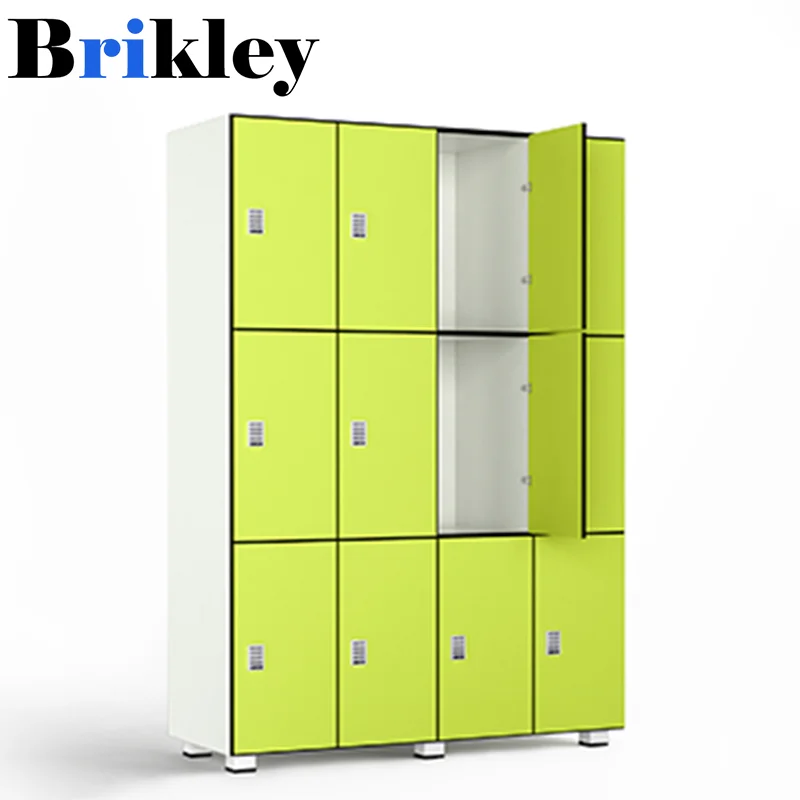
Effective HPL locker selection requires careful space planning and user requirement analysis to optimize storage capacity and accessibility. Standard locker configurations include full-height units, half-height doubles, and compact personal storage options that accommodate different user needs and space constraints. Custom sizing capabilities enable precise fit within existing architectural features and maximize usable storage volume.
Consider user demographics, stored item types, and traffic flow patterns when determining optimal HPL locker dimensions and configurations. Athletic facilities typically require larger compartments for equipment storage, while office environments may prioritize higher unit density and personal item security. Modular HPL locker systems offer reconfiguration flexibility that adapts to changing facility requirements over time.
Ventilation and Air Circulation Features
Proper ventilation design prevents moisture accumulation, odor development, and bacterial growth within HPL locker compartments. Strategically positioned ventilation slots, perforated panels, and air circulation channels maintain healthy storage environments while preserving security and structural integrity. Advanced ventilation systems incorporate passive air movement principles that eliminate the need for mechanical ventilation equipment.
Evaluate ventilation requirements based on stored item types, user patterns, and facility HVAC capabilities. Athletic equipment, uniforms, and personal items require different ventilation approaches to maintain hygiene and prevent damage. Quality HPL locker designs integrate ventilation features that function effectively without compromising security or enabling unauthorized access to adjacent compartments.
Installation and Maintenance Considerations
Installation Complexity and Professional Requirements
HPL locker installation quality directly impacts long-term performance, making professional installation essential for warranty compliance and optimal operation. Proper mounting, leveling, and hardware adjustment require specialized tools and expertise that ensure structural integrity and smooth operation. DIY installation attempts often result in premature failure, warranty voiding, and safety hazards that exceed professional installation costs.
Consider site preparation requirements, utility connections, and coordination with other trades when planning HPL locker installation. Electronic lock systems require power distribution and network connectivity that must integrate seamlessly with existing building infrastructure. Professional installers provide warranty coverage, adjustment services, and ongoing support that protect your investment and ensure optimal performance.
Long-Term Maintenance and Service Requirements
Sustainable HPL locker operation requires planned maintenance protocols that preserve appearance, functionality, and safety compliance. Regular cleaning with appropriate products, hardware lubrication, and adjustment procedures prevent minor issues from developing into costly failures. Establishing maintenance schedules and training facility staff on proper care procedures maximizes service life and minimizes operational disruption.
Quality HPL locker systems provide detailed maintenance documentation, replacement part availability, and technical support resources that enable effective long-term stewardship. Consider service provider capabilities, response times, and geographic coverage when evaluating different manufacturers and suppliers. Comprehensive service agreements often provide better value than reactive maintenance approaches while ensuring consistent performance standards.
FAQ
What thickness of HPL laminate should I specify for heavy-duty applications?
For heavy-duty commercial applications, specify HPL laminate thickness of at least 1.2mm to 1.5mm with high-pressure phenolic resin construction. This thickness provides superior impact resistance, scratch protection, and long-term durability compared to thinner alternatives. Heavy-duty environments such as athletic facilities, industrial settings, and high-traffic areas benefit from the enhanced surface protection that thicker laminates provide.
How do electronic locks compare to mechanical locks for long-term reliability?
Electronic locks offer superior security features, user management capabilities, and audit trail functionality, while mechanical locks provide simpler operation without power requirements. Electronic systems typically require battery replacement every 2-3 years and may need occasional recalibration, whereas mechanical locks need periodic lubrication and adjustment. For facilities with dedicated maintenance staff and security requirements, electronic locks often provide better long-term value despite higher initial costs.
What core material density provides the best balance of durability and cost?
Medium-density particleboard with density ratings between 650-700 kg/m³ provides optimal balance of structural integrity, hardware holding power, and cost-effectiveness for most commercial applications. Higher-density cores offer improved performance but may not justify additional costs in standard environments. Moisture-resistant treatments and proper edge sealing are more critical than maximum density for achieving long-term durability in typical facility conditions.
How important is fire rating for HPL locker installations?
Fire rating requirements vary by building type, occupancy classification, and local codes, making compliance verification essential during specification development. Educational facilities, healthcare environments, and high-rise buildings typically require Class A fire-rated materials that meet strict flame spread and smoke development standards. Even when not mandated, fire-resistant HPL locker systems provide enhanced safety margins and may reduce insurance costs while protecting facility occupants.