
 EN
EN
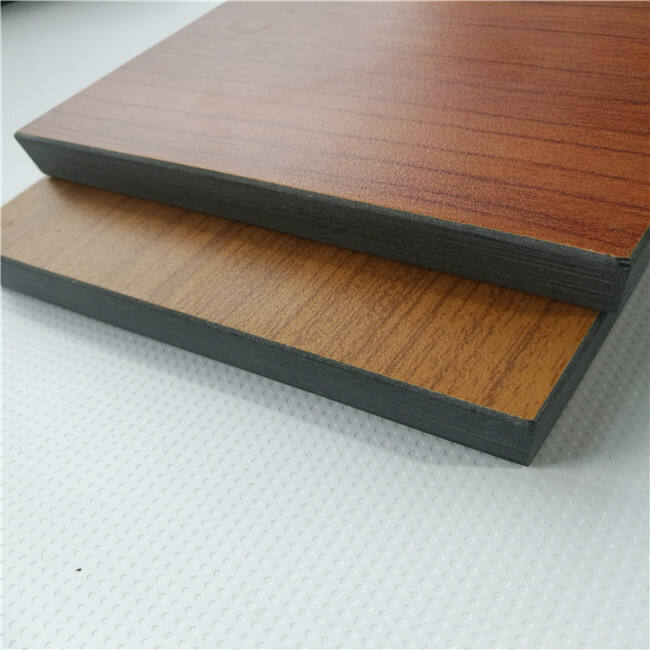
Educational institutions and fitness facilities face unique challenges when selecting storage solutions that can withstand years of heavy use while maintaining their appearance and functionality. The choice of locker material significantly impacts long-term operational costs, maintenance requirements, and user satisfaction. High-pressure laminate lockers have emerged as a preferred solution for schools and gyms seeking durability, performance, and cost-effectiveness in their storage infrastructure.
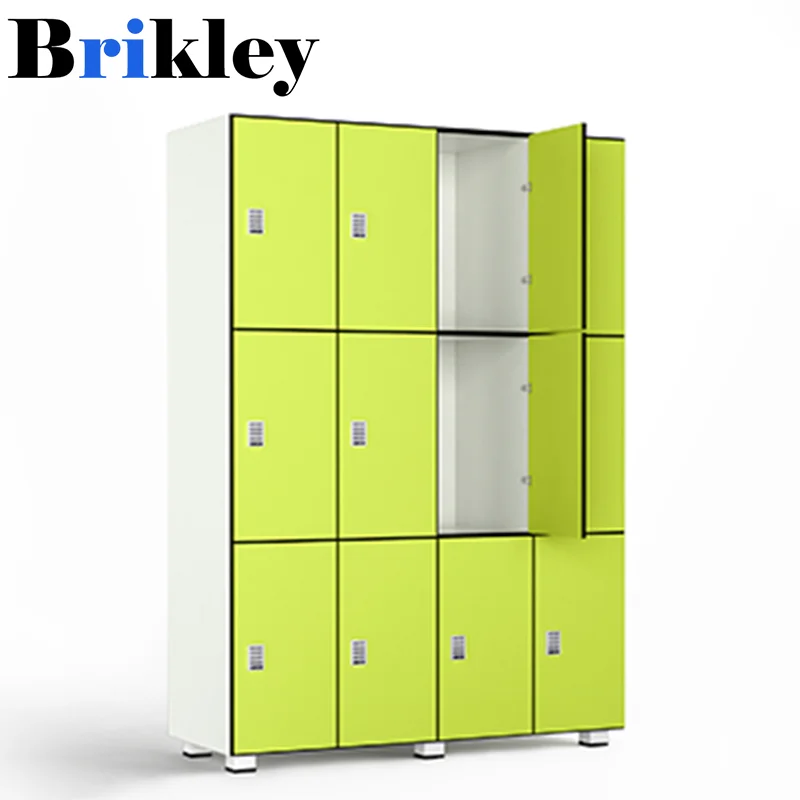
Understanding what makes HPL locker systems particularly suitable for educational and fitness environments requires examining their construction, material properties, and real-world performance characteristics. These factors combine to create storage solutions that address the specific demands of high-traffic institutional settings while providing long-term value and reliability.
Material Composition and Manufacturing Excellence
Advanced Laminate Construction
The foundation of HPL locker durability lies in its sophisticated manufacturing process that combines multiple layers of kraft paper with phenolic resins under extreme heat and pressure. This process creates a dense, homogeneous material with exceptional strength-to-weight ratios that far exceed traditional locker materials. The resulting HPL locker panels demonstrate superior resistance to impact, scratching, and everyday wear patterns common in school and gym environments.
Manufacturing standards for quality HPL locker systems typically involve pressing temperatures exceeding 300 degrees Fahrenheit and pressures reaching 1,000 pounds per square inch. This intensive process eliminates air pockets and creates uniform density throughout the material, ensuring consistent performance across all panel sections. The chemical bonding achieved during manufacturing provides structural integrity that maintains its properties even under thermal cycling and humidity variations.
Quality control measures during HPL locker production include rigorous testing for delamination resistance, surface hardness, and dimensional stability. These manufacturing protocols ensure that each panel meets strict performance standards before assembly into complete locker systems, providing institutions with reliable storage solutions that perform consistently over extended service periods.
Surface Technology and Protective Coatings
The outer surface of an HPL locker incorporates specialized decorative and protective layers that resist staining, chemical damage, and microbial growth. These surface treatments undergo additional curing processes that create barriers against moisture penetration while maintaining breathability to prevent condensation buildup within locker compartments. Advanced surface chemistry provides resistance to common cleaning chemicals and disinfectants used in institutional settings.
Anti-bacterial and anti-fungal properties integrated into HPL locker surfaces help maintain hygienic conditions essential for school and gym environments. These treatments work at the molecular level to inhibit bacterial colonization and prevent the development of odors or unsanitary conditions that can compromise user health and facility cleanliness standards.
Surface hardness ratings for quality HPL locker materials typically exceed those of traditional metal or wood alternatives, providing superior resistance to scratching, denting, and graffiti damage. This durability reduces maintenance requirements and helps preserve the professional appearance of facilities even after years of intensive use by students and gym members.
Structural Design and Engineering Advantages
Impact Resistance and Load Distribution
The engineering design of HPL locker systems incorporates principles of load distribution and stress management that enable these units to withstand the physical demands of educational and fitness environments. Solid-core construction eliminates hollow spaces that can create weak points or resonance issues, while the uniform material density ensures consistent strength throughout the structure.
Impact testing demonstrates that HPL locker panels can absorb and distribute force more effectively than traditional alternatives, reducing the likelihood of damage from door slamming, equipment contact, or accidental collisions. This resilience proves particularly valuable in gym settings where heavy equipment and active users create elevated risk of impact damage to storage systems.
The material properties of HPL locker construction provide natural vibration dampening that reduces noise transmission and maintains quieter facility environments. This acoustic performance contributes to better learning and exercise conditions while demonstrating the comprehensive engineering advantages of high-pressure laminate construction.
Hardware Integration and Connection Systems
Professional HPL locker installation utilizes specialized hardware systems designed to complement the material properties and ensure secure, long-lasting connections. Mounting points distribute loads across larger surface areas, preventing stress concentration that could lead to failure points or loosening over time. Heavy-duty hinges and closure mechanisms provide smooth operation even under frequent use cycles typical in institutional settings.
Electronic locking systems integrate seamlessly with HPL locker construction through precision-engineered mounting solutions that maintain structural integrity while providing secure access control. These integration methods preserve the moisture resistance and durability characteristics of the base material while enabling advanced security features essential for educational and fitness facilities.
Connection hardware for HPL locker assemblies undergoes corrosion resistance treatments that extend service life and maintain appearance standards. Stainless steel and coated components resist the humid conditions common in gyms while providing the mechanical strength necessary for reliable operation throughout extended service periods.
Environmental Resistance and Performance Characteristics
Moisture Management and Climate Control
The closed-cell structure of HPL locker materials provides exceptional moisture resistance that prevents water absorption and the associated problems of swelling, warping, or delamination. This characteristic proves essential in gym environments where humidity levels fluctuate dramatically and condensation poses ongoing challenges for storage system integrity. Unlike wood-based alternatives, HPL locker panels maintain dimensional stability across varying moisture conditions.
Vapor barrier properties inherent in HPL locker construction prevent moisture migration through panel thickness while allowing controlled air circulation within compartments. This balanced approach to moisture management prevents the development of mold, mildew, or bacterial growth that can compromise hygiene standards and create health concerns in institutional environments.
Temperature cycling resistance enables HPL locker systems to perform consistently across seasonal variations and HVAC system fluctuations common in educational facilities. The material maintains its structural properties and appearance standards regardless of temperature changes, ensuring reliable performance throughout varying operational conditions.
Chemical Resistance and Cleaning Compatibility
The chemical composition of HPL locker surfaces provides resistance to a broad spectrum of cleaning agents, disinfectants, and sanitizers required for institutional hygiene protocols. This compatibility allows facility managers to implement rigorous cleaning procedures without concern for material degradation or surface damage that could compromise appearance or performance over time.
Resistance to common contaminants such as sports drinks, personal care products, and cleaning chemicals ensures that HPL locker surfaces maintain their appearance and protective properties despite exposure to substances that would damage alternative materials. This chemical stability reduces replacement costs and maintenance requirements while supporting consistent facility cleanliness standards.
pH stability across acidic and alkaline conditions enables HPL locker systems to withstand the various chemical environments encountered in educational and fitness settings. This broad chemical compatibility provides flexibility in cleaning protocol selection while ensuring long-term material performance and user safety.
Cost-Effectiveness and Lifecycle Value
Initial Investment Considerations
While HPL locker systems may require higher initial investment compared to basic metal alternatives, the total cost of ownership analysis demonstrates significant long-term savings through reduced maintenance, repair, and replacement expenses. The durability characteristics of high-pressure laminate construction provide extended service life that often exceeds twenty years under normal institutional use conditions.
Installation efficiency contributes to cost-effectiveness as HPL locker systems typically feature modular designs that reduce labor requirements and minimize facility downtime during implementation. Precision manufacturing ensures consistent dimensions and quality that streamline installation processes while reducing the risk of field modifications or adjustments that increase project costs.
Energy efficiency considerations include the thermal properties of HPL locker materials that provide insulation benefits and reduce heating and cooling loads in facility areas where storage systems are installed. These energy savings accumulate over the service life of the installation, contributing to overall cost-effectiveness and environmental sustainability.
Maintenance Requirements and Operational Savings
The low-maintenance characteristics of HPL locker systems significantly reduce ongoing operational costs compared to alternatives that require regular painting, refinishing, or component replacement. Standard cleaning procedures using common institutional cleaning products maintain appearance and hygiene standards without specialized treatments or professional maintenance services.
Repair requirements for quality HPL locker installations remain minimal due to the material's resistance to common damage modes including impact, scratching, moisture, and chemical exposure. When repairs are necessary, modular design principles often allow component-level replacement rather than system-wide renovation, minimizing both costs and facility disruption.
The appearance retention properties of HPL locker surfaces help maintain professional facility aesthetics throughout extended service periods, reducing the need for cosmetic updates or renovations that would be required with less durable alternatives. This longevity supports institutional image and user satisfaction while controlling long-term facility maintenance budgets.
FAQ
How long do HPL lockers typically last in school and gym environments?
Quality HPL locker systems typically provide 15-25 years of reliable service in educational and fitness environments when properly installed and maintained. The solid-core construction and moisture-resistant properties ensure consistent performance even under heavy daily use, making them an excellent long-term investment for institutions seeking durable storage solutions.
Are HPL lockers resistant to vandalism and graffiti damage?
Yes, HPL locker surfaces demonstrate excellent resistance to graffiti and vandalism attempts due to their hard, non-porous surface characteristics. Most marking attempts can be removed using standard cleaning products without permanent damage to the surface, and the impact-resistant construction withstands physical abuse better than traditional metal or wood alternatives.
Can HPL lockers handle the humidity levels found in gym facilities?
HPL locker materials excel in high-humidity environments due to their closed-cell structure that prevents moisture absorption and eliminates swelling, warping, or delamination issues. The vapor barrier properties maintain dimensional stability while allowing proper air circulation, making them ideal for pool areas, locker rooms, and other moisture-rich environments.
What cleaning products are safe to use on HPL locker surfaces?
HPL locker surfaces are compatible with most commercial cleaning products and disinfectants commonly used in institutional settings, including bleach-based cleaners, quaternary ammonium compounds, and alcohol-based sanitizers. This chemical resistance allows facilities to maintain strict hygiene protocols without concern for surface damage or material degradation over time.