
 EN
EN
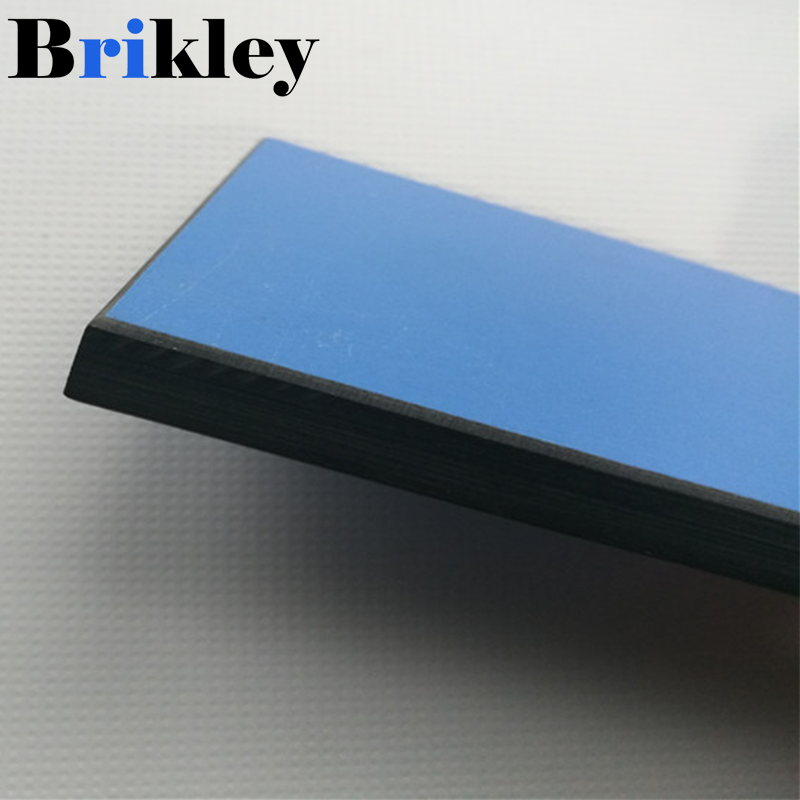
High-pressure laminate designed for exterior use has transformed the way architects, builders, and facility managers approach outdoor cladding and façade systems. When considering materials for outdoor applications, understanding what makes HPL exterior stand out requires examining its unique manufacturing process, performance characteristics, and real-world durability. Unlike conventional interior laminates or traditional exterior materials such as fiber cement or metal panels, HPL exterior combines aesthetic versatility with exceptional weather resistance, making it a preferred choice for commercial buildings, residential complexes, and industrial facilities that demand both visual appeal and long-term structural integrity.
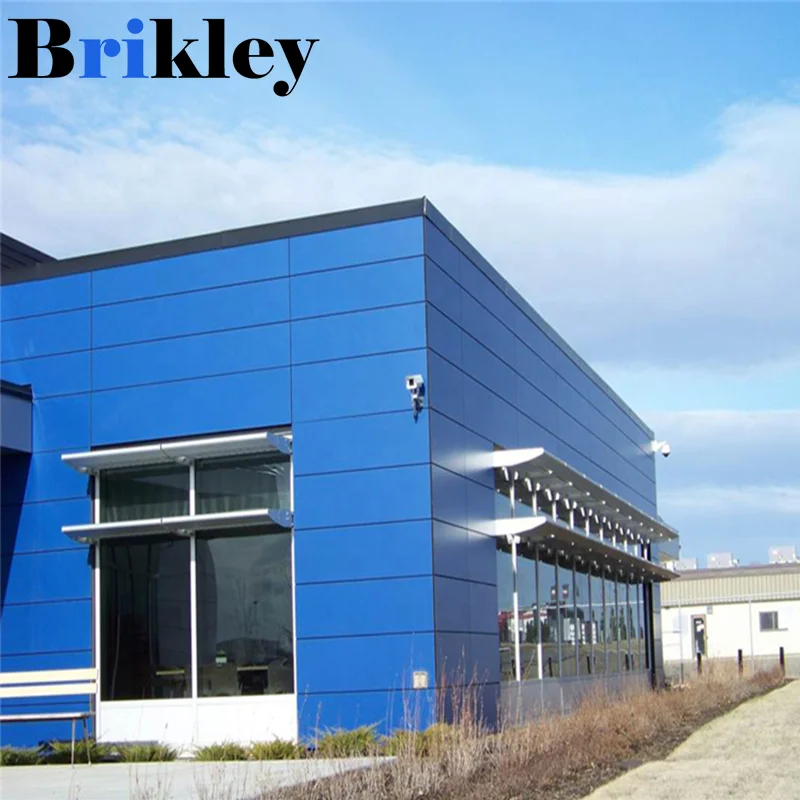
The suitability of HPL exterior for outdoor environments stems from several interconnected factors that address the specific challenges faced by building envelopes exposed to sun, rain, temperature fluctuations, and environmental pollutants. This material achieves outdoor performance through a combination of specialized resin systems, UV-stabilized surface treatments, and a dense core structure that resists moisture penetration and dimensional changes. For professionals evaluating cladding options, recognizing these defining characteristics helps explain why HPL exterior has gained significant market share in projects ranging from coastal resort developments to urban high-rise facades, particularly in climates where traditional materials may deteriorate, fade, or require frequent maintenance.
Manufacturing Properties That Enable Outdoor Performance
High-Pressure Consolidation Process
The foundation of HPL exterior's outdoor capability lies in its manufacturing methodology, which subjects multiple layers of kraft paper impregnated with phenolic resins to pressures exceeding 1,000 pounds per square inch at temperatures around 150 degrees Celsius. This high-pressure lamination process creates a thermoset material with exceptional density, typically ranging from 1.35 to 1.45 grams per cubic centimeter, significantly denser than wood-based panels or standard plastic composites. The phenolic resin system, which differs fundamentally from the melamine resins used in interior laminates, cross-links during curing to form a three-dimensional molecular network that resists hydrolysis, chemical attack, and thermal degradation even under prolonged outdoor exposure.
This consolidation process eliminates the voids and weak interfacial bonds that compromise other panel materials when subjected to moisture cycling. For HPL exterior applications, manufacturers typically increase the number of kraft paper layers in the core, often using 60 to 80 sheets depending on the final panel thickness, which ranges from 6mm to 16mm for most cladding installations. The resulting material exhibits minimal water absorption, typically less than 10% after 24-hour immersion testing according to EN 438 standards, a critical performance metric for materials that will face rain, humidity, and potential condensation on building facades.
UV-Resistant Surface Technology
What truly distinguishes HPL exterior from interior-grade laminates is the incorporation of specialized UV absorbers and light stabilizers throughout the decorative surface layer and the transparent overlay that protects the printed design. These additives, typically benzotriazole or benzophenone derivatives combined with hindered amine light stabilizers, intercept ultraviolet radiation before it can break down the organic colorants and resin matrix. Without this protection, even the most durable laminate would fade, chalk, and lose gloss within months of outdoor exposure, particularly in high-altitude or tropical environments where UV intensity reaches damaging levels.
The surface technology employed in HPL exterior typically involves a multi-component overlay system where UV stabilizers are distributed at varying concentrations through the depth of the surface layers, creating a gradient protection system that extends service life beyond a decade even in direct sunlight exposure. Testing protocols for exterior-grade HPL include accelerated weathering chambers that simulate years of UV exposure, temperature cycling, and moisture exposure in compressed timeframes, with quality products showing minimal color change measured by delta E values remaining below 5 units after 2,000 hours of xenon arc exposure, equivalent to several years of actual outdoor service in moderate climates.
Moisture Barrier Core Construction
The core structure of HPL exterior incorporates phenolic resins throughout all kraft paper layers, creating a homogeneous matrix that repels water penetration while maintaining dimensional stability across temperature and humidity variations. This contrasts sharply with wood-based products like medium-density fiberboard or oriented strand board, which absorb moisture through capillary action and swell significantly, leading to joint opening, fastener loosening, and eventual delamination. The phenolic resin content in HPL exterior cores typically exceeds 30% by weight, ensuring that even if water contacts a cut edge or penetrates through a fastener hole, lateral wicking remains minimal and the structural integrity of the panel remains intact.
For outdoor applications where panels may experience direct water contact during storms or may be installed in high-humidity coastal environments, the moisture resistance of HPL exterior provides a crucial performance advantage. Field installations have demonstrated that properly installed HPL exterior cladding maintains thickness stability within 1-2% even after years of service, preventing the buckling, warping, or edge lifting that plague less stable materials. This dimensional consistency also ensures that ventilated façade systems maintain proper air gap dimensions for drainage and drying, a critical factor in preventing moisture accumulation behind cladding that can lead to substrate damage or mold growth.
Environmental Resistance Characteristics
Temperature Cycling Tolerance
Outdoor building materials face daily and seasonal temperature swings that can exceed 50 degrees Celsius in many climates, from freezing winter nights to sun-heated surface temperatures above 70 degrees Celsius on summer afternoons. HPL exterior demonstrates exceptional stability across this temperature range due to its thermoset resin matrix, which has already been cured at temperatures higher than any service condition will encounter. Unlike thermoplastic materials that soften at elevated temperatures or brittle materials that crack during freeze-thaw cycles, HPL exterior maintains its mechanical properties and dimensional accuracy throughout normal environmental temperature variations.
The coefficient of thermal expansion for HPL exterior typically ranges from 20 to 30 x 10^-6 per degree Celsius, which, while higher than masonry or metal, remains manageable through proper installation detailing that accommodates panel movement. This thermal movement characteristic actually provides an advantage in façade systems, as the material's slight flexibility reduces stress concentration at fastening points and allows the cladding system to accommodate minor substrate movements without cracking. For exterior applications in extreme climates, understanding and designing for this thermal expansion through proper joint spacing and fastener selection ensures long-term performance without panel distortion or fastener failure.
Chemical and Pollution Resistance
Urban and industrial environments expose building facades to airborne pollutants, acid rain, salt spray in coastal areas, and cleaning chemicals used during maintenance. The phenolic resin matrix that defines HPL exterior provides inherent resistance to these chemical exposures, maintaining surface integrity and color stability even in harsh atmospheric conditions. Testing of HPL exterior panels against standardized chemical resistance protocols shows no surface degradation when exposed to weak acids, alkaline solutions, salt solutions, or common organic solvents, making the material suitable for applications ranging from seaside residential developments to chemical processing facilities.
This chemical resistance extends to biological degradation as well, as the fully cured phenolic resin does not provide nutrition for mold, mildew, or fungal growth, unlike organic materials such as wood or even some polymer composites that contain organic fillers. For HPL exterior installations in humid tropical climates or shaded building orientations where biological growth can stain and degrade other materials, this inherent resistance eliminates the need for biocide treatments and reduces maintenance requirements significantly. The smooth, non-porous surface of HPL exterior also prevents dirt accumulation and facilitates cleaning, as pollutants cannot penetrate into the material structure and can be removed through simple pressure washing or mild detergent application.
Impact and Abrasion Durability
Outdoor applications often expose cladding materials to mechanical abuse from wind-blown debris, hail, maintenance activities, and vandalism, making impact resistance a critical performance factor. HPL exterior panels demonstrate excellent impact resistance due to their dense, homogeneous structure, with testing showing resistance to ball drop impacts from heights that would penetrate or crack many alternative materials. This toughness stems from the material's combination of hardness and slight flexibility, allowing it to absorb impact energy without brittle fracture while maintaining surface integrity.
The abrasion resistance of HPL exterior surfaces exceeds most painted or coated materials, with the surface hardness typically measuring above 6H on the pencil hardness scale and showing minimal wear in Taber abrasion testing. For ground-floor installations where accidental contact or deliberate abuse might occur, this surface durability prevents the scratching, gouging, and wear-through that would compromise appearance and protective function. The through-color construction available in many HPL exterior products means that even if minor surface damage occurs, the underlying material matches the surface appearance, making damage far less visible than with surface-coated alternatives where substrate color differs from the finish.
Installation Advantages for Exterior Systems
Workability and Fabrication Flexibility
The practicality of HPL exterior for outdoor applications extends beyond material properties to include installation considerations that affect project timelines, labor costs, and long-term maintenance access. HPL exterior panels can be cut, drilled, and routed using standard woodworking tools equipped with carbide-tipped blades, allowing fabricators to create custom panel sizes, make on-site adjustments, and incorporate ventilation openings or service penetrations without specialized equipment. This workability reduces installation complexity compared to materials requiring special cutting methods, such as fiber cement that generates respirable dust or metal panels that need shearing equipment.
For complex architectural designs featuring curved surfaces, angled transitions, or three-dimensional façade elements, HPL exterior provides fabrication options that rigid materials cannot match. Panels can be thermoformed to moderate curves when heated, allowing creation of radius corners, column wraps, and sculptural design elements without the cost penalties associated with custom metal fabrication. The lightweight nature of HPL exterior, typically weighing 8 to 12 kilograms per square meter depending on thickness, simplifies handling and reduces structural load requirements compared to heavier alternatives like natural stone veneer or thick fiber cement panels, potentially allowing façade upgrades on buildings where structural capacity limits the use of heavier materials.
Fastening System Compatibility
Modern ventilated façade systems rely on concealed fastening methods that preserve visual continuity while allowing individual panel replacement when needed. HPL exterior accommodates various fastening approaches, including mechanical clip systems, rail-mounted brackets, and adhesive bonding, each offering specific advantages depending on building configuration, wind load requirements, and aesthetic objectives. The material's dimensional stability and consistent thickness tolerance ensure reliable engagement with mechanical fasteners, while its through-thickness strength prevents localized crushing or pull-through failures at fastening points when properly installed.
For projects requiring visible fastening, such as industrial buildings or budget-conscious applications, HPL exterior accepts through-fasteners with appropriate edge distance and spacing without cracking or delaminating, provided installers follow manufacturer guidelines for hole sizing and fastener torque. The use of specialized washers and gaskets at fastener locations prevents water infiltration while accommodating thermal movement, maintaining weatherproofing throughout the service life. This fastening versatility allows architects and builders to select installation methods that balance aesthetic preferences, performance requirements, and project budgets without compromising the fundamental weather resistance that makes HPL exterior suitable for outdoor use.
Ventilated Rainscreen Integration
The performance of any exterior cladding depends significantly on the wall assembly design, with ventilated rainscreen systems representing best practice for moisture management and thermal performance. HPL exterior functions ideally as the outer layer in these assemblies, as its moisture resistance protects against direct weather exposure while the ventilation cavity behind the panels allows any incidental moisture to escape through convective airflow. The dimensional stability of HPL exterior ensures that panel alignment remains consistent over time, maintaining proper ventilation gap dimensions and preserving the pressure-equalized design that prevents water infiltration.
In ventilated façade systems, HPL exterior panels typically mount on vertical or horizontal rails attached to the building structure through standoffs that create an air cavity ranging from 20mm to 50mm in depth. This cavity serves multiple functions, including drainage pathway for water that passes behind panels, ventilation channel for moisture vapor, and thermal buffer that reduces heat transfer into the building. The compatibility of HPL exterior with these high-performance wall systems contributes significantly to its suitability for outdoor applications, as the material's individual properties combine with sound system design to achieve durability that exceeds what either the material or the system could accomplish independently.
Aesthetic Versatility in Outdoor Environments
Design Range and Surface Options
While performance characteristics make HPL exterior technically suitable for outdoor use, aesthetic flexibility often drives specification decisions, as architects seek materials that fulfill both functional requirements and design intent. Modern HPL exterior manufacturing offers an extensive palette of colors, patterns, and surface textures that replicate natural materials like wood grain, stone, and metal while avoiding the performance limitations inherent in those materials. Digital printing technology allows photorealistic reproduction of natural material patterns with resolution that withstands close inspection, enabling designers to achieve specific aesthetic effects without the cost, weight, or maintenance requirements of genuine materials.
Surface finish options for HPL exterior range from high gloss that creates dramatic reflective facades to deeply textured matte finishes that minimize glare and hide minor surface imperfections. Some manufacturers offer proprietary surface treatments that enhance specific properties, such as anti-graffiti coatings that facilitate removal of spray paint or enhanced UV protection for dark colors that would otherwise absorb excessive heat. This aesthetic range allows HPL exterior to adapt to virtually any architectural style, from sleek contemporary commercial buildings with solid vibrant colors to residential projects featuring realistic wood grain patterns that provide natural warmth without wood's susceptibility to rot, insect damage, and dimensional instability.
Color Stability and Long-Term Appearance
The visual durability of exterior materials directly affects building appearance and maintenance costs over decades of service, making color stability a critical factor in material selection. HPL exterior formulations designed for outdoor use incorporate lightfast pigments and UV stabilization systems specifically engineered to maintain color within acceptable tolerance ranges throughout the warranty period, typically 10 years for residential applications and sometimes longer for commercial projects. While no organic material remains completely unchanged by years of sun exposure, quality HPL exterior products fade gradually and uniformly, avoiding the blotchy, degraded appearance that characterizes failure in inferior materials.
Field performance data from HPL exterior installations in diverse climates confirms that properly specified products maintain acceptable appearance for 15 to 20 years before showing visible aging, with lighter colors and matte finishes generally demonstrating better color retention than dark glossy surfaces. This longevity compares favorably to painted metal panels that may require recoating every 10 to 15 years, wood siding that needs refinishing every 3 to 5 years, and some polymer composites that chalk and fade within a decade. For building owners evaluating lifecycle costs, the extended appearance retention of HPL exterior translates to reduced maintenance frequency and deferred replacement costs, offsetting the potentially higher initial material cost compared to budget alternatives.
Customization and Branding Opportunities
Beyond standard product ranges, HPL exterior manufacturing capabilities support custom color matching, proprietary pattern development, and even incorporation of corporate branding elements directly into façade panels. This customization potential appeals particularly to retail developments, corporate headquarters, and institutional projects where building identity and brand expression represent important design objectives. Digital printing technology allows reproduction of complex graphics, logos, and photographic images with resolution suitable for exterior viewing distances, creating opportunities for building facades to serve as three-dimensional brand communications rather than simple weather enclosures.
The ability to mix different colors, textures, and panel sizes within a single HPL exterior installation enables architectural expressions ranging from subtle pattern variation that adds visual interest to dramatic contrasting compositions that define building volumes or highlight architectural features. Unlike materials requiring surface application of graphics or colors, HPL exterior integrates aesthetic elements during manufacturing, ensuring durability that matches the base material rather than creating weak points susceptible to peeling, fading, or weather damage. This integration of aesthetics and performance exemplifies why HPL exterior succeeds in outdoor applications where appearance and durability must coexist throughout extended service lives.
Economic and Sustainability Considerations
Lifecycle Cost Analysis
While initial material costs for HPL exterior typically exceed basic alternatives like vinyl siding or standard painted metal, comprehensive lifecycle cost analysis often reveals economic advantages when considering installation efficiency, maintenance requirements, and service life. The lightweight nature of HPL exterior reduces structural reinforcement needs and simplifies handling, potentially lowering installation labor costs compared to heavier materials. The material's workability allows efficient fabrication and fitting, minimizing specialized trade requirements and reducing installation time, both factors that significantly impact total project costs.
Maintenance cost projections favor HPL exterior particularly strongly, as the material requires only periodic cleaning rather than the refinishing, recoating, or treatment required by wood, painted surfaces, or some composite materials. Over a 20-year analysis period, the cumulative cost of ownership for HPL exterior installations frequently falls below alternatives that need repeated maintenance interventions, even when those alternatives cost less initially. For commercial and institutional building owners focused on operating budgets rather than just capital costs, this maintenance advantage represents a compelling economic argument for HPL exterior specification, particularly for large façade areas where maintenance access involves scaffolding, lifts, or other expensive access equipment.
Environmental Profile and Certifications
Sustainability considerations increasingly influence material selection for outdoor applications, with building certification programs like LEED, BREEAM, and local green building codes establishing criteria that favor materials with documented environmental profiles. HPL exterior products from responsible manufacturers typically carry Environmental Product Declarations that quantify lifecycle impacts including embodied carbon, energy consumption, and end-of-life considerations, allowing architects to make informed comparisons against alternative materials. The kraft paper core of HPL exterior derives from renewable forestry resources, and many manufacturers source certified sustainable wood pulp, contributing to responsible forestry credits in green building programs.
The durability and long service life of HPL exterior contribute positively to sustainability assessments, as materials requiring replacement or extensive maintenance consume additional resources and generate waste throughout the building's lifetime. Some HPL exterior formulations now incorporate recycled content in core layers or use bio-based resins to reduce petroleum dependence, further improving environmental profiles. End-of-life considerations for HPL exterior continue evolving, with research into thermal recycling for energy recovery and development of remanufacturing processes that could recover fiber and resin components, though current practice typically involves disposal in construction waste streams due to the thermoset nature of the material.
Fire Performance and Building Code Compliance
Fire safety regulations governing exterior wall assemblies have intensified following several high-profile building fires, making flame spread ratings and smoke development characteristics critical factors in material approval for outdoor applications. HPL exterior formulations vary in fire performance depending on resin chemistry, with phenolic-based products generally achieving better fire ratings than melamine-based alternatives. Standard HPL exterior products typically achieve Class C or Class B flame spread ratings under ASTM E84 testing, suitable for many residential and low-rise commercial applications, while specialized fire-rated HPL exterior formulations can achieve Class A ratings required for high-rise buildings or specific occupancy types.
Beyond individual material ratings, fire performance of complete wall assemblies incorporating HPL exterior depends on substrate materials, insulation types, and cavity barriers, requiring coordination between cladding specification and overall wall design to satisfy building codes. Non-combustible substrates like cement board or steel framing combined with mineral wool insulation create assemblies that perform well in fire testing even when clad with combustible materials like HPL exterior, provided proper fire stopping details seal openings and prevent flame spread through ventilation cavities. For projects where fire regulations govern material selection, working with manufacturers who provide tested assembly details and code compliance documentation ensures that HPL exterior installations meet approval requirements without extensive custom testing.
FAQ
How long does HPL exterior typically last in outdoor installations?
Quality HPL exterior products properly installed in ventilated façade systems typically provide 15 to 20 years of service before showing significant appearance degradation, with structural performance often extending beyond 25 years. Service life varies with climate intensity, color selection, and maintenance practices, with lighter colors and textured finishes generally lasting longer than dark glossy surfaces in high-UV environments. Regular cleaning to remove accumulated pollutants extends appearance retention, while proper installation detailing that prevents water infiltration behind panels protects the material from conditions that could reduce service life.
Can HPL exterior be installed in coastal environments with salt spray exposure?
HPL exterior performs well in coastal applications due to its inherent resistance to salt corrosion and moisture, unlike metal panels that may corrode or wood products that accelerate decay in marine environments. The phenolic resin matrix does not react chemically with salt, and the non-porous surface prevents salt crystal formation within the material structure. For optimal performance in direct coastal exposure, selecting HPL exterior products with enhanced UV stabilization protects against the intensified solar exposure common in seaside locations, while ensuring proper drainage and ventilation behind panels prevents any salt-laden moisture from accumulating.
What maintenance does HPL exterior require to maintain appearance and performance?
HPL exterior maintenance requirements remain minimal compared to most alternative cladding materials, typically involving annual or semi-annual cleaning with water and mild detergent to remove accumulated dust, pollen, and environmental pollutants. Pressure washing at moderate pressure effectively cleans panels without damaging the surface, though avoiding concentrated spray directly at panel joints prevents water intrusion. Periodic inspection of fasteners, sealants, and panel alignment identifies potential issues before they compromise weather protection, with any damaged panels being replaceable individually without affecting surrounding areas.
Does HPL exterior perform differently in extreme climates compared to moderate environments?
While HPL exterior maintains functionality across diverse climates, extreme conditions do accelerate certain aging processes and require more careful product selection and installation detailing. Very high UV environments like high-altitude or tropical locations benefit from HPL exterior formulations with enhanced UV stabilizer loading, while extreme temperature swings require attention to thermal expansion accommodation through proper fastening and joint design. Extremely humid climates demand rigorous attention to ventilation cavity design to ensure moisture vapor can escape, though the moisture resistance of HPL exterior itself remains unaffected by humidity levels.
Table of Contents
- Manufacturing Properties That Enable Outdoor Performance
- Environmental Resistance Characteristics
- Installation Advantages for Exterior Systems
- Aesthetic Versatility in Outdoor Environments
- Economic and Sustainability Considerations
-
FAQ
- How long does HPL exterior typically last in outdoor installations?
- Can HPL exterior be installed in coastal environments with salt spray exposure?
- What maintenance does HPL exterior require to maintain appearance and performance?
- Does HPL exterior perform differently in extreme climates compared to moderate environments?