
 EN
EN

Modern laboratories, commercial kitchens, and industrial workspaces demand surfaces that can withstand rigorous daily use while maintaining their structural integrity and appearance. A phenolic countertop represents one of the most advanced solutions for environments requiring exceptional durability, chemical resistance, and long-term performance. These engineered surfaces combine multiple layers of kraft paper or fabric impregnated with phenolic resin, creating a solid, non-porous material that excels in demanding applications.
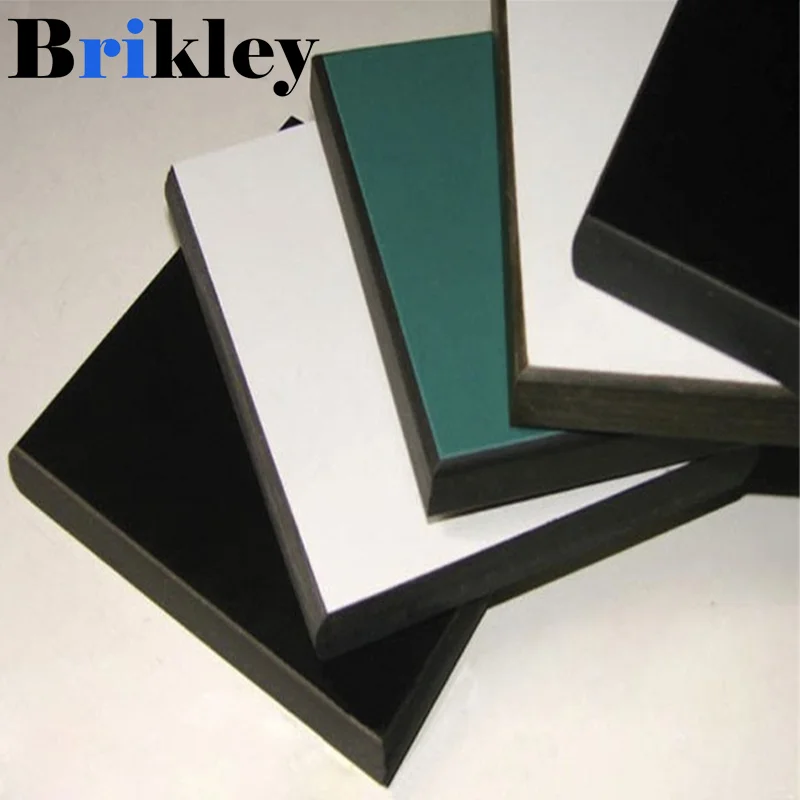
The manufacturing process involves high-pressure compression and elevated temperatures, resulting in a homogeneous material with consistent properties throughout its thickness. This sophisticated construction method ensures that every phenolic countertop delivers reliable performance across various industries, from pharmaceutical research facilities to food processing plants. Understanding the specific advantages these surfaces offer can help facility managers and designers make informed decisions about their workspace investments.
Superior Chemical Resistance Properties
Comprehensive Protection Against Harsh Substances
The molecular structure of a phenolic countertop provides exceptional resistance to a wide range of chemicals commonly found in laboratory and industrial environments. The cross-linked phenolic resin matrix creates a barrier that prevents most acids, bases, and organic solvents from penetrating the surface or causing structural damage. This resistance extends to concentrated sulfuric acid, hydrochloric acid, sodium hydroxide, and numerous organic compounds that would quickly degrade conventional materials.
Testing protocols demonstrate that phenolic surfaces maintain their integrity even after prolonged exposure to aggressive chemicals. The non-porous nature of the material prevents absorption of corrosive substances, eliminating the risk of hidden damage that could compromise safety or performance over time. This characteristic makes phenolic surfaces particularly valuable in analytical laboratories where accidental spills of concentrated reagents are common occurrences.
Long-Term Durability Under Chemical Exposure
Regular exposure to cleaning agents, disinfectants, and process chemicals does not compromise the structural integrity of a phenolic countertop. The material maintains its dimensional stability and surface smoothness even after years of contact with bleach solutions, quaternary ammonium compounds, and alcohol-based sanitizers. This durability translates to reduced maintenance costs and extended service life compared to traditional materials.
The chemical resistance properties also extend to biological contaminants, making these surfaces ideal for microbiological laboratories and healthcare facilities. The non-reactive surface prevents the growth of bacteria, mold, and other microorganisms that could compromise hygiene standards or experimental results. This biological inertness contributes significantly to maintaining sterile environments in critical applications.
Exceptional Mechanical Strength and Impact Resistance
Heavy-Duty Performance Characteristics
The high-pressure manufacturing process creates a phenolic countertop with remarkable mechanical properties that surpass most alternative materials. The compressed laminate structure distributes loads evenly across the surface, allowing these countertops to support heavy equipment, machinery, and substantial weight loads without deformation or structural failure. This strength makes them suitable for industrial applications where robust work surfaces are essential.
Impact resistance represents another critical advantage, particularly in busy laboratory environments where dropped instruments or equipment could damage conventional surfaces. The resilient nature of phenolic materials absorbs impact energy effectively, preventing chips, cracks, or other damage that could create safety hazards or compromise the surface integrity. This durability reduces replacement costs and minimizes downtime associated with surface repairs.
Thermal Stability and Heat Resistance
Temperature fluctuations and heat exposure do not significantly affect the performance of a phenolic countertop, making these surfaces suitable for applications involving elevated temperatures. The cross-linked polymer structure maintains its properties across a wide temperature range, preventing warping, cracking, or dimensional changes that could affect equipment placement or surface functionality.
Heat resistance extends to direct contact with moderately heated objects, reducing the risk of surface damage from hot laboratory equipment or heated chemical reactions. This thermal stability ensures consistent performance in environments where temperature control is critical for process accuracy and safety. The material's ability to dissipate heat effectively also contributes to maintaining comfortable working conditions around the surface.
Low Maintenance Requirements and Easy Cleaning
Simplified Cleaning Protocols
The smooth, non-porous surface of a phenolic countertop facilitates easy cleaning and decontamination procedures essential in laboratory and industrial settings. Standard cleaning agents and disinfectants can be applied directly to the surface without concern for absorption or damage, allowing for thorough sanitization between procedures or shifts. This ease of cleaning contributes significantly to maintaining hygiene standards and regulatory compliance.
Routine maintenance typically involves simple wiping with appropriate cleaning solutions, eliminating the need for specialized treatments or protective coatings that other materials might require. The surface resists staining from most substances, including dyes, inks, and biological materials that commonly cause permanent discoloration on porous surfaces. This stain resistance maintains the professional appearance of the workspace while reducing cleaning time and effort.
Cost-Effective Long-Term Ownership
The durability and low maintenance requirements of phenolic surfaces translate to significant cost savings over the operational lifetime of the installation. Unlike materials that require regular refinishing, sealing, or replacement due to wear and damage, a phenolic countertop maintains its performance characteristics for decades with minimal intervention. This longevity provides excellent return on investment for facilities with demanding operational requirements.
Reduced downtime for maintenance and repairs represents another economic advantage, particularly in production environments where surface availability directly impacts operational efficiency. The ability to quickly clean and decontaminate phenolic surfaces between processes or procedures maximizes workspace utilization and supports continuous operations. These factors combine to create a compelling economic case for phenolic surface selection in professional applications.
Hygienic Properties and Safety Features
Antimicrobial Surface Characteristics
The dense, non-porous structure of a phenolic countertop prevents the harboring of bacteria, viruses, and other pathogens that could compromise laboratory results or workplace safety. This inherent antimicrobial property eliminates the need for special treatments or coatings to maintain hygienic conditions. The surface can be effectively sterilized using standard disinfection protocols without degradation or loss of performance.
Food safety applications benefit particularly from these hygienic properties, as the surface meets stringent requirements for food contact surfaces and can withstand regular sanitization cycles required in commercial food preparation environments. The material's resistance to bacterial growth helps maintain food quality and safety standards while reducing the risk of cross-contamination between different food products or preparation areas.
Chemical Safety and Worker Protection
The chemical inertness of phenolic materials contributes significantly to workplace safety by preventing reactions between the work surface and chemical substances. This inertness eliminates the risk of unexpected chemical reactions that could generate toxic gases, heat, or other hazardous conditions. Workers can confidently perform chemical procedures knowing that the work surface will not contribute to safety risks or compromise experimental results.
Emergency spill response is simplified with phenolic surfaces, as most chemical spills can be contained and cleaned up without permanent damage to the work surface. This capability reduces the potential for exposure incidents and helps maintain safe working conditions even when accidents occur. The surface's resistance to penetration also prevents chemical absorption that could create ongoing exposure risks from contaminated materials.
Environmental Sustainability and Green Building Benefits
Sustainable Material Composition
Modern phenolic countertop manufacturing incorporates sustainable practices and materials that align with green building initiatives and environmental responsibility goals. Many phenolic surfaces utilize recycled content in their core layers while maintaining the high-performance characteristics required for demanding applications. This sustainable approach reduces environmental impact without compromising functionality or durability.
The long service life of phenolic materials contributes to sustainability by reducing replacement frequency and associated material consumption. Unlike surfaces that require regular replacement due to wear, damage, or degradation, phenolic countertops can serve facilities for decades, minimizing waste generation and resource consumption over the building's operational lifetime. This durability aligns with sustainable design principles that prioritize long-term performance over initial cost considerations.
Indoor Air Quality Benefits
Low-emission phenolic surfaces contribute to maintaining healthy indoor air quality in occupied spaces. The stable molecular structure of cured phenolic resin prevents the release of volatile organic compounds (VOCs) that could compromise air quality or create health concerns for building occupants. This characteristic supports green building certifications and helps facilities maintain compliance with indoor air quality standards.
The absence of formaldehyde emissions from properly manufactured phenolic surfaces makes them suitable for sensitive environments where air quality is critical, such as healthcare facilities, research laboratories, and educational institutions. This environmental safety aspect, combined with the material's performance characteristics, makes phenolic surfaces an excellent choice for projects pursuing LEED certification or other green building standards.
FAQ
How does the cost of a phenolic countertop compare to other laboratory surface materials?
While the initial investment in a phenolic countertop may be higher than some traditional materials, the total cost of ownership is typically lower due to exceptional durability, minimal maintenance requirements, and extended service life. The superior chemical resistance and mechanical properties reduce replacement costs and minimize downtime for repairs, making phenolic surfaces cost-effective for demanding applications over their operational lifetime.
Can phenolic countertops be repaired if damaged, or do they require complete replacement?
Minor surface damage to a phenolic countertop can often be repaired through sanding and refinishing techniques that restore the surface to its original condition. However, the exceptional durability of these materials means that significant damage requiring repair is uncommon under normal use conditions. The homogeneous nature of phenolic materials allows for effective spot repairs that maintain the integrity and appearance of the entire surface.
What thickness options are available for phenolic countertops in different applications?
Phenolic countertops are available in various thicknesses ranging from 12mm to 25mm or more, depending on the specific application requirements and load-bearing needs. Thicker materials provide enhanced strength and durability for heavy-duty applications, while thinner options may be suitable for lighter-duty installations. The appropriate thickness selection depends on factors such as expected loads, span requirements, and specific performance criteria for the intended use.
Are there any specific installation requirements or considerations for phenolic countertops?
Installation of a phenolic countertop requires proper support structure and appropriate fastening methods to ensure optimal performance and longevity. The material's dimensional stability and strength characteristics allow for various installation configurations, but proper edge support and expansion considerations are important for large installations. Professional installation is recommended to ensure proper fitting, sealing, and integration with surrounding fixtures and equipment.
Table of Contents
- Superior Chemical Resistance Properties
- Exceptional Mechanical Strength and Impact Resistance
- Low Maintenance Requirements and Easy Cleaning
- Hygienic Properties and Safety Features
- Environmental Sustainability and Green Building Benefits
-
FAQ
- How does the cost of a phenolic countertop compare to other laboratory surface materials?
- Can phenolic countertops be repaired if damaged, or do they require complete replacement?
- What thickness options are available for phenolic countertops in different applications?
- Are there any specific installation requirements or considerations for phenolic countertops?