
 EN
EN

Industrial applications demand materials that can withstand extreme conditions, resist chemical exposure, and maintain structural integrity under continuous stress. Phenolic board has emerged as a premier solution across manufacturing facilities, laboratories, and heavy-duty commercial environments. This engineered composite material combines phenolic resin with high-quality substrates to create surfaces that excel in durability, chemical resistance, and operational reliability. Understanding the specific advantages of phenolic board helps facility managers and engineers make informed decisions when selecting materials for critical industrial applications.
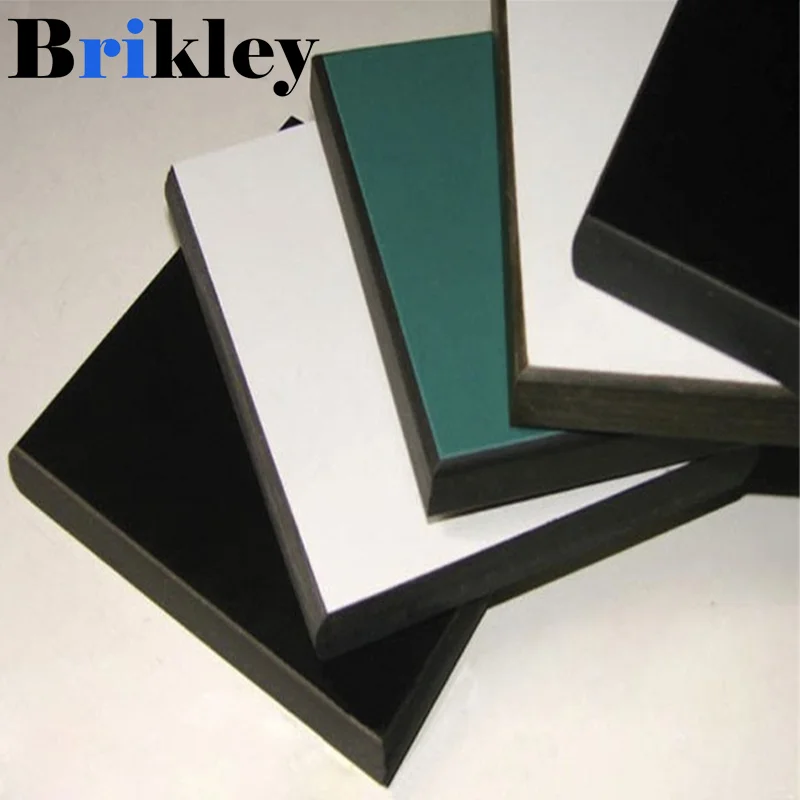
Superior Chemical Resistance Properties
Comprehensive Chemical Compatibility
The molecular structure of phenolic board creates exceptional resistance to acids, bases, solvents, and aggressive chemicals commonly found in industrial environments. This phenolic board composition forms a non-porous surface that prevents chemical penetration and subsequent material degradation. Manufacturing facilities processing corrosive substances benefit from this inherent protection, as the material maintains its structural properties even after prolonged exposure to harsh chemicals. Laboratory environments particularly value this characteristic when working with concentrated acids, organic solvents, and reactive compounds that would damage conventional materials.
Quality control testing demonstrates that phenolic board maintains dimensional stability and surface integrity when exposed to over 150 different chemical substances. This broad compatibility spectrum eliminates the guesswork involved in material selection for diverse industrial processes. The chemical resistance extends beyond surface protection to include resistance to staining, etching, and microscopic damage that could compromise sanitation standards or operational efficiency.
Long-Term Performance Under Chemical Stress
Extended exposure studies reveal that phenolic board retains its protective qualities throughout years of continuous chemical contact. Unlike materials that gradually degrade or develop micro-cracks, phenolic surfaces maintain their barrier properties indefinitely under normal industrial conditions. This longevity translates to reduced replacement costs and minimized downtime for maintenance activities. Industrial facilities report significant cost savings when switching from traditional materials to phenolic board solutions due to extended service life and reduced maintenance requirements.
The thermal stability of phenolic board further enhances its chemical resistance by preventing thermal expansion and contraction that could compromise seal integrity or create stress points. This combination of chemical and thermal stability makes it an ideal choice for processes involving heated chemicals or temperature variations during industrial operations.
Exceptional Durability and Mechanical Strength
Impact and Wear Resistance
Industrial environments subject materials to constant mechanical stress from equipment operation, material handling, and daily wear patterns. Phenolic board demonstrates superior impact resistance compared to alternatives, absorbing mechanical energy without cracking or chipping. This robustness proves essential in manufacturing areas where heavy machinery, dropping tools, or material impacts occur regularly. The dense construction and resin matrix distribution create a material that maintains surface integrity under conditions that would damage conventional surfaces.
Wear resistance testing shows that phenolic board surfaces maintain their original texture and appearance after millions of contact cycles. This performance characteristic becomes critical in high-traffic areas or applications involving sliding equipment, frequent cleaning protocols, or abrasive material contact. The consistent surface quality ensures that industrial processes maintain precision requirements without accommodation for material degradation over time.
Structural Integrity Under Load
Load-bearing applications benefit from the excellent compressive and flexural strength properties inherent in quality phenolic board construction. The material supports significant weight distributions without deflection or structural compromise, making it suitable for heavy equipment mounting, storage applications, and structural components. Engineering specifications confirm that properly installed phenolic board can handle industrial load requirements while maintaining dimensional stability throughout varying environmental conditions.
The material's ability to distribute stress evenly across its surface prevents localized failure points that could compromise entire installations. This characteristic proves particularly valuable in applications where safety considerations require reliable material performance under varying load conditions or unexpected stress events.
Thermal Performance and Temperature Stability
Heat Resistance Capabilities
Phenolic board maintains structural and chemical properties across wide temperature ranges encountered in industrial applications. The material withstands continuous exposure to elevated temperatures without softening, warping, or releasing harmful emissions. This thermal stability enables its use near heat sources, in heated processes, or in facilities with elevated ambient temperatures. Industries such as automotive manufacturing, metal processing, and chemical production rely on this temperature resistance for consistent performance in demanding thermal environments.
The low thermal expansion coefficient of phenolic board minimizes dimensional changes during temperature fluctuations. This stability prevents gaps, misalignments, or stress concentrations that could develop in installations subject to thermal cycling. Precision manufacturing processes benefit from this dimensional consistency, as it maintains tight tolerances and alignment requirements regardless of ambient temperature variations.
Fire Safety and Combustion Properties
Safety regulations in industrial facilities often require materials with specific fire resistance characteristics. Phenolic board meets stringent fire safety standards through its inherent flame-resistant properties and low smoke generation during combustion events. The material's composition creates a char layer when exposed to extreme heat, providing additional protection to underlying structures and slowing fire propagation. This safety feature proves essential in facilities handling flammable materials or operating under strict fire safety protocols.
Emergency response planning benefits from the predictable combustion characteristics of phenolic board, as the material does not produce toxic gases or contribute to rapid fire spread. This behavioral consistency allows safety personnel to develop effective response strategies and evacuation procedures based on known material performance parameters.
Hygienic Properties and Maintenance Benefits
Non-Porous Surface Characteristics
The dense, non-porous surface of phenolic board prevents bacterial growth, moisture absorption, and contamination accumulation that plague porous materials in industrial settings. This hygienic advantage becomes critical in food processing facilities, pharmaceutical manufacturing, and clean room environments where contamination control directly impacts product quality and regulatory compliance. The smooth surface texture facilitates thorough cleaning and sanitization procedures without harboring contaminants in microscopic crevices or texture patterns.
Cleaning protocols for phenolic board surfaces require minimal time and resources compared to alternatives that need specialized treatments or frequent deep cleaning cycles. Standard industrial cleaners and disinfectants effectively sanitize phenolic surfaces without causing material degradation or reducing effectiveness over time. This cleaning efficiency reduces operational costs and minimizes production downtime required for sanitation procedures.
Long-Term Maintenance Requirements
Maintenance schedules for facilities using phenolic board typically show significant reductions in required service intervals and replacement frequencies. The material's resistance to staining, scratching, and chemical damage eliminates many maintenance activities needed for conventional surfaces. Routine cleaning and periodic inspection constitute the primary maintenance requirements, freeing maintenance personnel for other critical facility operations.
Cost analysis studies demonstrate that the initial investment in phenolic board installations recovers quickly through reduced maintenance expenses and extended service life. Facilities report maintenance cost reductions of up to sixty percent when switching from traditional materials to phenolic board solutions. This economic advantage, combined with improved operational reliability, makes phenolic board an attractive option for budget-conscious industrial operations.
Installation and Fabrication Advantages
Machining and Customization Capabilities
Phenolic board machines easily using standard woodworking and metalworking tools, enabling precise customization for specific industrial applications. The material cuts cleanly without chipping or delamination, allowing complex shapes, cutouts, and edge profiles to meet exact specification requirements. This machinability reduces installation time and eliminates the need for specialized fabrication equipment or techniques. Custom installations benefit from the ability to create seamless integrations with existing equipment and facility infrastructure.
Edge sealing and joining techniques for phenolic board provide durable connections that maintain the material's protective properties throughout assembled structures. Proper installation methods ensure that joints remain sealed against chemical penetration while maintaining structural integrity under operational stresses. Technical support from manufacturers helps ensure optimal installation practices that maximize performance and service life.
Integration with Existing Systems
Retrofitting existing facilities with phenolic board typically requires minimal structural modifications, as the material integrates seamlessly with standard mounting systems and support structures. The consistent thickness and dimensional stability simplify installation planning and reduce unexpected complications during implementation. Facilities can often upgrade their surfaces without extensive downtime or operational disruptions.
Compatibility with standard hardware, fasteners, and mounting systems eliminates the need for specialized installation components or techniques. This compatibility reduces project costs and simplifies procurement procedures for facility upgrades or new installations. Maintenance personnel can service and modify phenolic board installations using familiar tools and methods without additional training requirements.
FAQ
How does phenolic board compare to stainless steel for industrial applications
Phenolic board offers several advantages over stainless steel including superior chemical resistance to acids and solvents, lighter weight for easier installation, better thermal insulation properties, and significantly lower material costs. While stainless steel provides excellent durability, phenolic board matches or exceeds its performance in most industrial applications while offering easier maintenance and customization options. The choice depends on specific application requirements, but phenolic board often provides better value for chemical processing and laboratory environments.
What thickness options are available for industrial phenolic board installations
Industrial phenolic board typically ranges from 6mm to 25mm thickness, with 12mm and 20mm being the most common specifications for industrial applications. Thicker options provide increased structural strength for heavy-duty applications, while thinner profiles work well for surface covering applications. The optimal thickness depends on load requirements, span distances, and specific application needs. Manufacturers can provide guidance on thickness selection based on intended use and performance requirements.
Can phenolic board withstand steam cleaning and high-pressure washing
Yes, properly installed phenolic board handles steam cleaning and high-pressure washing without damage or degradation. The non-porous surface and sealed edges prevent moisture penetration, while the thermal stability accommodates temperature variations during steam cleaning cycles. However, proper edge sealing and installation techniques are essential to prevent water infiltration at joints or mounting points. Regular inspection of seals and edges ensures continued performance under aggressive cleaning protocols.
What certifications and standards does phenolic board meet for industrial use
Quality phenolic board meets various international standards including NEMA, EN, and ISO specifications for chemical resistance, fire performance, and mechanical properties. Many products carry certifications for food contact safety, pharmaceutical compliance, and clean room applications. Specific certifications vary by manufacturer and intended application, so verification of required standards should be confirmed during the selection process. Documentation packages typically include test results and compliance certificates for regulatory approval processes.
Table of Contents
- Superior Chemical Resistance Properties
- Exceptional Durability and Mechanical Strength
- Thermal Performance and Temperature Stability
- Hygienic Properties and Maintenance Benefits
- Installation and Fabrication Advantages
-
FAQ
- How does phenolic board compare to stainless steel for industrial applications
- What thickness options are available for industrial phenolic board installations
- Can phenolic board withstand steam cleaning and high-pressure washing
- What certifications and standards does phenolic board meet for industrial use