
 EN
EN
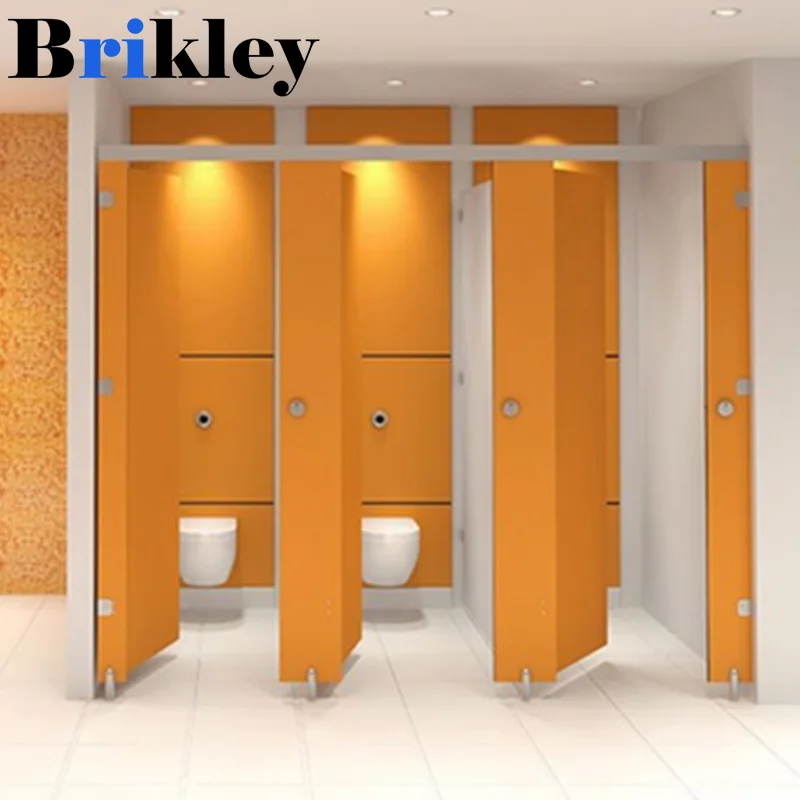
High Pressure Laminate toilet partitions have revolutionized the design and functionality of public washroom facilities across various commercial and institutional settings. The demand for durable, hygienic, and aesthetically pleasing restroom solutions has led facility managers to increasingly choose HPL toilet cubicle systems over traditional materials. These advanced partition systems combine superior performance characteristics with practical benefits that address the unique challenges faced in high-traffic public environments. Understanding the comprehensive advantages of HPL toilet cubicle installations helps decision-makers select the most appropriate washroom solutions for their specific requirements and usage patterns.
Superior Durability and Longevity
Exceptional Resistance to Wear and Damage
The manufacturing process of HPL toilet cubicle panels involves subjecting multiple layers of kraft paper and decorative surfaces to extreme heat and pressure, creating an incredibly dense and resilient material. This construction method results in partitions that can withstand constant use, impact damage, and various forms of abuse commonly encountered in public facilities. The solid core structure prevents delamination and maintains structural integrity even under severe stress conditions. Commercial facilities benefit from reduced maintenance costs and extended service life when implementing these robust partition systems.
HPL toilet cubicle installations demonstrate remarkable longevity compared to alternative materials such as powder-coated steel or plastic laminate options. The dense laminated structure resists cracking, chipping, and surface degradation that typically occurs with frequent cleaning and heavy usage patterns. Facility managers report service lives extending beyond fifteen years with proper maintenance protocols, making HPL toilet cubicle systems a cost-effective long-term investment for institutional and commercial applications.
Structural Stability Under Heavy Use
The inherent strength characteristics of HPL toilet cubicle materials provide exceptional dimensional stability and resistance to warping or bowing over time. Unlike particle board or medium-density fiberboard alternatives, these partitions maintain their original shape and alignment throughout extended service periods. The manufacturing specifications ensure consistent thickness and flatness across large panel dimensions, contributing to professional appearance and reliable door operation mechanisms.
Heavy-duty hardware compatibility represents another significant advantage of HPL toilet cubicle systems, as the material density supports substantial hinge and latch loads without compromising structural integrity. This characteristic proves essential in high-traffic environments where doors experience frequent opening and closing cycles throughout operational hours. The material's resistance to fastener pull-through ensures long-term hardware security and operational reliability.
Hygiene and Maintenance Advantages
Non-Porous Surface Properties
The manufacturing process creates HPL toilet cubicle surfaces with extremely low porosity levels, preventing moisture absorption and bacterial growth within the material structure. This characteristic proves crucial for maintaining sanitary conditions in public washroom environments where hygiene standards require constant attention. The sealed surface prevents liquid penetration that could lead to odor retention or microbial contamination issues commonly associated with porous materials.
Cleaning protocols for HPL toilet cubicle installations require minimal specialized products or procedures, as standard commercial disinfectants effectively sanitize the non-absorbent surfaces. The material's resistance to chemical cleaning agents allows facility staff to implement thorough sanitation protocols without concerns about surface damage or degradation. This compatibility with aggressive cleaning compounds proves especially valuable in healthcare facilities, educational institutions, and food service environments with stringent hygiene requirements.
Stain and Graffiti Resistance
HPL toilet cubicle surfaces demonstrate exceptional resistance to permanent staining from various substances commonly encountered in public restroom environments. The dense laminated structure prevents most liquids from penetrating beyond the surface layer, allowing for easy removal of spills and contaminants before permanent damage occurs. This characteristic significantly reduces maintenance requirements and preserves the aesthetic appearance of partition installations over extended periods.
Graffiti removal capabilities represent a significant operational advantage for facilities dealing with vandalism issues. Most marker, pen, and paint applications can be removed from HPL toilet cubicle surfaces using appropriate solvents without damaging the underlying material or decorative finish. Some manufacturers offer specialized anti-graffiti treatments that further enhance removal capabilities while maintaining the material's other performance characteristics.
Moisture and Chemical Resistance
Water Damage Prevention
The construction methodology of HPL toilet cubicle panels creates inherent moisture barriers that prevent water damage and associated deterioration issues. Unlike wood-based alternatives, these partitions will not swell, warp, or degrade when exposed to high humidity levels or direct water contact. This resistance proves essential in shower areas, poolside facilities, and other wet environments where traditional materials would quickly fail.
Edge sealing techniques further enhance the moisture resistance of HPL toilet cubicle installations by preventing water infiltration at panel joints and hardware mounting points. Proper installation protocols ensure that exposed edges receive appropriate sealing treatments to maintain the material's moisture barrier properties throughout the service life. This attention to detail prevents the gradual deterioration that commonly affects inadequately protected partition systems.
Chemical Compatibility
HPL toilet cubicle materials demonstrate broad compatibility with cleaning chemicals, disinfectants, and sanitizing agents used in commercial facility maintenance programs. The chemical resistance properties allow facility managers to implement comprehensive cleaning protocols without restricting product choices or compromising cleaning effectiveness. This compatibility proves especially important in healthcare settings where specific antimicrobial treatments may be required for infection control purposes.
Laboratory testing confirms that HPL toilet cubicle surfaces maintain their integrity when exposed to common restroom chemicals including ammonia-based cleaners, chlorine bleach solutions, and quaternary ammonium compounds. The material's resistance to chemical degradation ensures consistent performance and appearance throughout the partition's service life, even under aggressive maintenance protocols required in institutional environments.
Design Flexibility and Aesthetic Options
Extensive Color and Pattern Selection
Modern HPL toilet cubicle manufacturing techniques enable virtually unlimited design possibilities through advanced printing and lamination processes. Facility designers can select from hundreds of standard colors, wood grains, stone textures, and abstract patterns to complement existing architectural themes or create distinctive washroom environments. Custom pattern development allows for unique branding opportunities or specialized design requirements in premium facilities.
The colorfastness characteristics of HPL toilet cubicle surfaces ensure that decorative patterns and colors remain vibrant throughout extended service periods. Unlike painted surfaces that may fade or discolor over time, the laminated decorative layer maintains its original appearance when properly specified and installed. This stability eliminates the need for periodic refinishing or color touch-up procedures typically required with alternative partition materials.
Architectural Integration Capabilities
HPL toilet cubicle systems offer exceptional flexibility for integration with various architectural styles and facility design concepts. The material's ability to replicate natural textures such as wood grain or stone patterns allows designers to maintain aesthetic continuity throughout building interiors while benefiting from superior performance characteristics. This versatility proves valuable in upscale commercial facilities, hospitality environments, and institutional settings with specific design requirements.
Custom fabrication capabilities enable HPL toilet cubicle installations to accommodate unique dimensional requirements, curved configurations, and specialized hardware applications. CNC machining and precision cutting techniques allow for complex shapes and configurations that would be difficult or impossible to achieve with traditional partition materials. This manufacturing flexibility supports innovative design solutions and helps architects overcome challenging spatial constraints.
Environmental and Safety Considerations
Sustainable Manufacturing Practices
HPL toilet cubicle production increasingly incorporates recycled content and sustainable raw materials to reduce environmental impact while maintaining performance standards. Many manufacturers utilize post-consumer recycled papers in core layers and implement energy-efficient production processes to minimize carbon footprint. These environmental considerations help facilities achieve green building certification requirements and demonstrate corporate sustainability commitments.
End-of-life recyclability represents an important environmental advantage of HPL toilet cubicle materials, as the thermosetting resin matrix can be processed for use in various secondary applications. Unlike some composite materials that require disposal in landfills, HPL partitions can contribute to circular economy initiatives through appropriate recycling programs. This characteristic supports facilities seeking to minimize waste generation and demonstrate environmental stewardship.
Fire Safety and Building Code Compliance
HPL toilet cubicle materials typically achieve favorable fire ratings that support compliance with building codes and life safety requirements in commercial and institutional facilities. The manufacturing process can incorporate fire-retardant additives that improve flame spread and smoke generation characteristics without compromising other performance properties. These safety features prove essential for facilities requiring specific fire ratings for occupancy classification or insurance requirements.
Low emission characteristics of HPL toilet cubicle installations contribute to improved indoor air quality by minimizing volatile organic compound release in occupied spaces. Third-party testing and certification programs verify that these materials meet stringent standards for formaldehyde emissions and other potentially harmful substances. This environmental compatibility supports healthy building initiatives and occupant comfort in sensitive environments such as schools and healthcare facilities.
Cost-Effectiveness and Value Analysis
Initial Investment Considerations
While HPL toilet cubicle systems typically require higher initial capital investment compared to basic partition alternatives, the superior performance characteristics justify the additional cost through extended service life and reduced maintenance requirements. Life cycle cost analysis consistently demonstrates favorable total cost of ownership when factoring in durability, cleaning efficiency, and replacement intervals over typical facility planning horizons.
Installation efficiency represents an additional cost advantage of HPL toilet cubicle systems, as the precision-manufactured components facilitate faster assembly and reduce labor requirements compared to field-built alternatives. Standardized hardware systems and detailed installation instructions minimize installation complexity and reduce the potential for construction delays or quality issues that could impact project budgets and schedules.
Long-Term Operational Savings
Maintenance cost reductions achieved through HPL toilet cubicle installations often exceed initial investment premiums within the first few years of operation. The material's resistance to damage, staining, and wear significantly reduces repair requirements and extends refinishing intervals compared to traditional partition systems. Facility managers report substantial savings in maintenance labor and material costs when transitioning from conventional partition systems to HPL alternatives.
Energy efficiency benefits may also contribute to operational cost savings through improved thermal performance and reduced HVAC loads. The insulating properties of HPL toilet cubicle panels can help maintain comfortable temperatures in washroom areas while reducing heat transfer through exterior walls. These thermal benefits prove especially valuable in climate-controlled facilities where energy costs represent significant operational expenses.
FAQ
How long do HPL toilet cubicle installations typically last in high-traffic facilities?
HPL toilet cubicle systems commonly provide fifteen to twenty years of reliable service in high-traffic commercial and institutional environments when properly specified, installed, and maintained. The dense laminated construction resists wear, impact damage, and moisture infiltration that typically cause premature failure in alternative partition materials. Regular cleaning with appropriate products and periodic hardware adjustment help maximize service life and maintain optimal performance throughout the operational period.
Can HPL toilet cubicle surfaces be repaired if damaged?
Minor surface damage to HPL toilet cubicle panels can often be addressed through professional repair techniques including color-matched filling compounds and surface refinishing procedures. However, severe impact damage or deep scratches may require panel replacement to restore original appearance and performance characteristics. The material's durability significantly reduces the likelihood of damage requiring major repair or replacement compared to less robust partition alternatives.
What cleaning products are recommended for HPL toilet cubicle maintenance?
Standard commercial disinfectants and cleaning solutions prove effective for routine HPL toilet cubicle maintenance without requiring specialized products or procedures. Mild alkaline cleaners, quaternary ammonium compounds, and chlorine bleach solutions can be safely used on properly sealed surfaces. Abrasive cleaners and harsh solvents should be avoided to prevent potential surface damage, though the material demonstrates excellent resistance to most common cleaning chemicals used in facility maintenance programs.
Are HPL toilet cubicle systems suitable for shower and wet area applications?
HPL toilet cubicle materials perform exceptionally well in wet environments including shower areas, locker rooms, and poolside facilities due to their inherent moisture resistance and non-porous surface characteristics. Proper edge sealing and installation techniques ensure long-term performance in direct water contact applications. The material will not swell, warp, or degrade when exposed to high humidity levels or water spray, making it an ideal choice for comprehensive wet area partition systems.