
 EN
EN
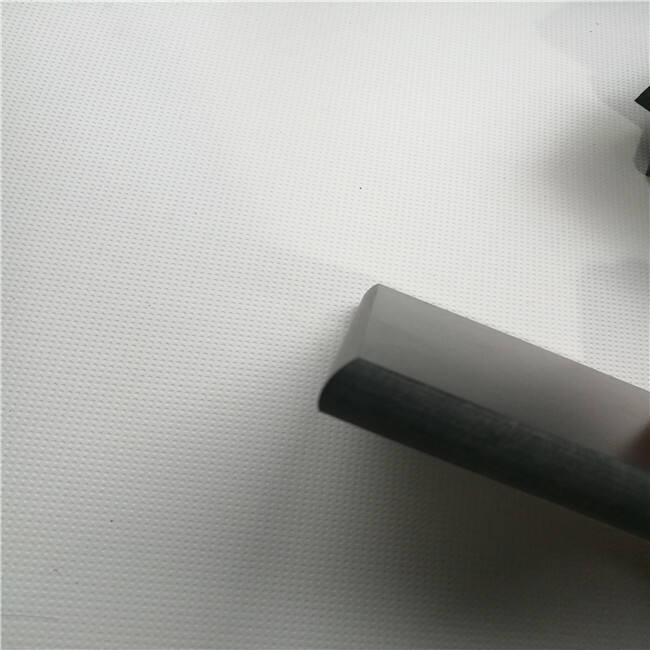
High-pressure laminate technology has revolutionized the architectural cladding industry by offering building professionals a robust, aesthetically versatile solution for exterior applications. When architects and contractors evaluate facade materials, they seek products that balance durability, design flexibility, and long-term performance under challenging environmental conditions. The HPL exterior panel has emerged as a preferred choice for modern building facades due to its unique combination of material properties that address both functional requirements and aesthetic expectations. Understanding the specific benefits that make this material suitable for facade applications enables informed decision-making during the design and specification process.
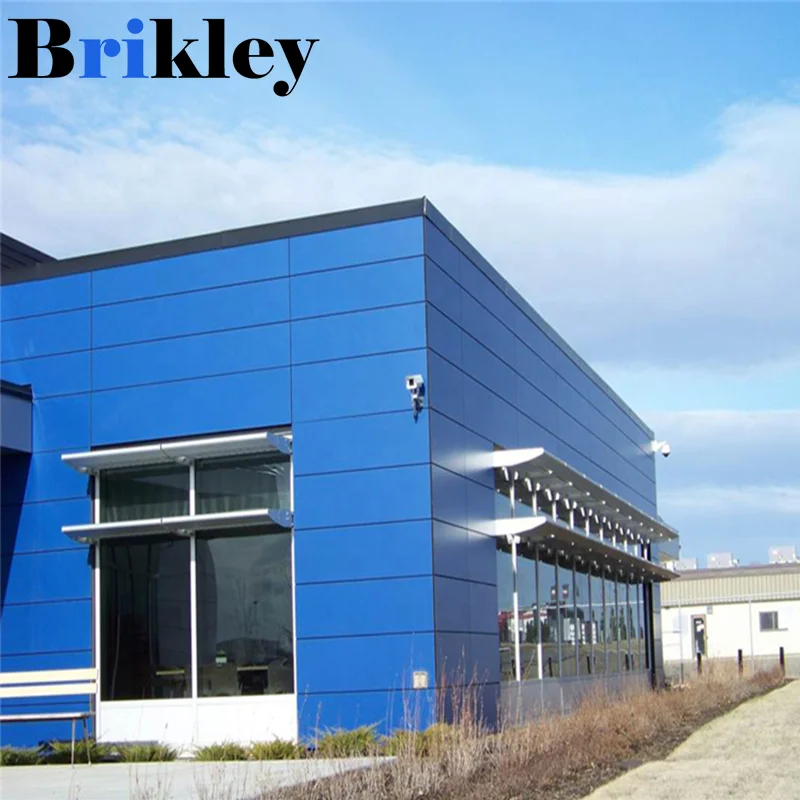
The suitability of facade materials extends beyond mere weather resistance to encompass installation efficiency, maintenance considerations, lifecycle costs, and the ability to meet increasingly stringent building performance standards. Modern construction projects demand cladding systems that contribute to energy efficiency, resist environmental degradation, and maintain visual appeal throughout decades of service. The benefits that position HPL exterior panels as a suitable facade solution reflect advances in manufacturing technology, material science, and an understanding of real-world building performance requirements across diverse climate zones and architectural applications.
Material Composition and Structural Benefits
Advanced Laminate Engineering for Facade Performance
The structural integrity of HPL exterior panel products derives from their sophisticated manufacturing process, which involves bonding multiple layers of kraft paper impregnated with thermosetting resins under extreme heat and pressure. This process creates a homogeneous material with consistent density throughout its cross-section, eliminating the internal voids and weak points common in alternative cladding materials. The resulting panel exhibits exceptional dimensional stability, resisting warping, swelling, and deformation even when exposed to significant temperature fluctuations and moisture cycles typical of exterior environments.
The high-pressure consolidation process produces panels with impact resistance substantially superior to conventional facade materials of comparable thickness. This mechanical strength translates to reduced risk of damage during transportation, installation, and throughout the building's operational life. For projects in areas subject to hail, windborne debris, or accidental impact, this durability characteristic represents a significant practical benefit. The structural consistency also enables thinner panel profiles without compromising performance, contributing to reduced dead loads on building structures and facilitating more ambitious architectural designs.
Density Characteristics and Weather Resistance
The density achieved during HPL exterior panel manufacturing creates a material structure that inherently resists moisture penetration, a critical requirement for facade applications. Unlike porous materials that absorb water and experience resulting degradation, properly manufactured high-pressure laminate panels maintain their dimensional integrity and mechanical properties even under prolonged exposure to rain, snow, and humidity. This moisture resistance prevents the freeze-thaw damage that compromises many traditional cladding materials in cold climates, extending service life and reducing maintenance interventions.
The compact material structure also provides natural resistance to biological growth, including mold, mildew, and algae, which can both degrade material performance and create unsightly surface discoloration. This characteristic proves particularly valuable in humid climates or shaded facade orientations where biological activity typically thrives on porous cladding surfaces. Building owners benefit from reduced cleaning frequency and the elimination of biocide treatments that may be required with alternative materials, contributing to both lifecycle cost advantages and environmental stewardship objectives.
Surface Technology and Aesthetic Advantages
UV Protection and Color Stability
One of the most significant benefits making HPL exterior panels suitable for facades is their exceptional resistance to ultraviolet radiation degradation. The surface layer incorporates UV-stabilized resins and pigments that maintain color integrity even after years of direct sunlight exposure. This UV resistance ensures that the visual appearance specified during design remains consistent throughout the building's service life, eliminating the fading, chalking, and discoloration that plague many facade materials. For architects whose designs depend on specific color relationships and visual impact, this color stability represents a fundamental requirement rather than merely a desirable feature.
The surface technology employed in quality HPL exterior panel products also provides resistance to environmental pollutants, acid rain, and salt spray in coastal environments. These chemical resistance properties prevent the surface etching and corrosion that can compromise both appearance and protective function in reactive materials. Buildings located in industrial areas or near coastlines particularly benefit from this chemical inertness, as the facade maintains its intended appearance without requiring protective coatings or frequent restoration interventions.
Design Flexibility and Surface Options
The manufacturing process for HPL exterior panel products enables an unprecedented range of surface finishes, colors, and textures that provide architects with extensive design freedom. From solid colors spanning the entire spectrum to sophisticated wood grain simulations and metallic effects, the available options support diverse architectural visions without requiring separate material selections for different aesthetic zones. This design flexibility extends to surface textures ranging from high-gloss finishes for contemporary aesthetics to matte and structured surfaces that reduce glare or create tactile interest.
The ability to incorporate photographic reproductions and custom graphics into the surface layer opens possibilities for branded facades, artistic expressions, and wayfinding elements integrated directly into the cladding system. This capability distinguishes HPL technology from materials limited to their natural appearance or requiring applied graphics that may degrade or delaminate over time. For projects where facade appearance contributes to brand identity or placemaking objectives, this integrated design capability represents a compelling advantage that justifies material selection independent of other performance characteristics.
Installation Efficiency and System Integration
Lightweight Properties and Structural Advantages
Despite their robust performance characteristics, HPL exterior panel products offer favorable weight-to-strength ratios compared to traditional facade materials such as natural stone, concrete panels, or ceramic systems. This reduced weight translates to multiple practical benefits throughout the construction process and building lifecycle. Structural systems can be optimized with lighter support frameworks, potentially reducing foundation requirements and overall structural costs. The lightweight nature also simplifies logistics, with more material transportable per load and reduced equipment requirements for handling and installation.
The weight advantage becomes particularly significant in renovation projects where existing structures may have limited capacity to support additional facade loads. HPL exterior panel systems enable dramatic aesthetic transformations and performance upgrades without requiring structural reinforcement that would add cost and complexity to renovation efforts. This characteristic has made high-pressure laminate cladding a preferred solution for building modernization projects where improving energy performance and appearance must occur within existing structural constraints.
Fabrication Flexibility and Installation Methods
The workability of HPL exterior panel materials using conventional woodworking tools and techniques significantly reduces installation complexity and specialized labor requirements. Panels can be cut, drilled, and shaped on-site to accommodate field conditions, penetrations, and architectural details without requiring factory returns or specialized equipment. This fabrication flexibility accelerates installation schedules and provides contractors with the ability to address unforeseen conditions efficiently, reducing both project timelines and contingency costs associated with inflexible materials.
Modern HPL exterior panel systems integrate with various attachment methods including concealed mechanical fastening systems, adhesive bonding, and hybrid approaches that balance structural requirements with aesthetic preferences. The compatibility with rainscreen principles and ventilated facade designs supports optimal moisture management and thermal performance while accommodating differential movement between cladding and structure. This system flexibility enables specification across diverse building types, from residential construction to large-scale commercial and institutional projects with varying performance requirements and architectural characteristics.
Lifecycle Performance and Maintenance Considerations
Durability and Service Life Expectations
The combination of material properties inherent to HPL exterior panel construction results in service life expectations that frequently exceed those of alternative cladding materials. Independent testing and decades of installed performance data demonstrate that properly specified and installed high-pressure laminate facades maintain structural integrity and appearance for thirty years or more with minimal maintenance intervention. This longevity stems from the material's resistance to the primary degradation mechanisms that limit other facade materials, including moisture damage, UV degradation, thermal cycling stress, biological attack, and chemical exposure.
The dimensional stability of HPL exterior panel products throughout seasonal temperature and humidity cycles prevents the progressive deterioration associated with expansion-contraction fatigue in less stable materials. Fastening systems and panel edges remain secure without the loosening or stress concentration that develops when cladding materials experience significant dimensional changes. This stability contributes to maintained weather-tightness and eliminates the progressive air and water infiltration that can develop in facade systems experiencing material movement over time.
Maintenance Requirements and Cleaning Protocols
The non-porous surface of HPL exterior panel systems resists dirt accumulation and simplifies cleaning procedures, contributing to reduced lifecycle maintenance costs. Routine cleaning typically requires only water and mild detergent, without specialized chemicals or equipment necessary for materials with porous or reactive surfaces. The smooth surface finish prevents dirt from becoming embedded in surface texture, ensuring that periodic washing restores original appearance rather than merely removing surface contamination while leaving discoloration in material pores.
The graffiti resistance of HPL exterior panel surfaces provides particular value in urban environments where vandalism may affect accessible facade areas. Most paints and markers can be removed from the non-porous surface using appropriate solvents without damaging the underlying material or finish. This cleanability maintains building appearance and reduces the lifecycle costs associated with vandalism remediation, a consideration particularly relevant for ground-level facades in high-traffic urban locations where other materials may require panel replacement following graffiti incidents.
Environmental Performance and Sustainability Attributes
Energy Efficiency Contributions
When integrated into properly designed facade systems, HPL exterior panel installations contribute to building energy performance through multiple mechanisms. The panels themselves provide thermal resistance that supplements insulation systems, while their compatibility with ventilated rainscreen assemblies creates opportunities for advanced envelope performance. The thermal mass provided by the dense panel material can moderate temperature fluctuations in certain climate zones, while the reflective properties of lighter colors reduce solar heat gain that would otherwise increase cooling loads.
The durability and longevity of HPL exterior panel systems support sustainable building objectives by minimizing the resource consumption associated with facade replacement and renovation cycles. Materials that maintain performance and appearance for extended periods reduce the environmental impact attributable to manufacturing replacement products, transportation, demolition waste, and installation activities. This lifecycle perspective on environmental performance increasingly influences material selection as building owners and design professionals adopt comprehensive sustainability evaluation methods that extend beyond initial embodied energy considerations.
Recyclability and End-of-Life Management
Modern HPL exterior panel products increasingly incorporate recycled content in their core layers while maintaining the surface performance characteristics essential for facade applications. This integration of recycled materials reduces virgin resource consumption without compromising the functional properties that make high-pressure laminate suitable for demanding exterior environments. Manufacturing processes continue to evolve toward reduced energy consumption and waste generation, addressing environmental concerns throughout the product lifecycle from raw material extraction through manufacturing operations.
At end-of-life, HPL exterior panel materials can be reclaimed and processed for alternative applications, diverting material from landfills and recovering embedded resource value. While the thermosetting resin matrix prevents remolding into new laminate panels, reclaimed material finds applications in composite products and energy recovery systems. The mechanical attachment methods commonly used in HPL facade systems facilitate deconstruction and material separation, supporting circular economy principles by enabling component reuse and material recovery rather than composite demolition waste requiring disposal.
FAQ
How does HPL exterior panel performance compare in extreme climate conditions?
HPL exterior panels perform reliably across extreme climate conditions from arctic cold to tropical heat and humidity. The material's dimensional stability prevents warping or cracking in temperature ranges from negative forty to positive eighty degrees Celsius. In cold climates, the moisture resistance prevents freeze-thaw damage, while in hot climates, UV-stabilized surfaces resist degradation from intense solar radiation. Coastal installations benefit from excellent salt spray resistance, and the material maintains integrity in areas experiencing rapid temperature fluctuations between day and night cycles.
What thickness specifications are appropriate for different facade applications?
HPL exterior panel thickness selection depends on panel dimensions, wind load requirements, and aesthetic considerations. Standard facade applications typically employ panels ranging from six to thirteen millimeters thick. Residential projects with moderate wind exposure often specify six to eight millimeter panels, while commercial buildings and high-rise applications may require ten to thirteen millimeter products to meet structural performance requirements. Larger panel formats generally require increased thickness to maintain adequate rigidity and resistance to deflection under wind loads, with engineering analysis determining optimal specifications for specific project conditions.
Can HPL exterior panels integrate with various building envelope systems?
HPL exterior panels demonstrate excellent compatibility with diverse building envelope approaches including direct-applied systems, mechanically-attached rainscreen assemblies, and adhesive-bonded applications. The material works effectively in ventilated facade designs that promote moisture management and thermal performance optimization. Integration with continuous insulation systems, weather-resistive barriers, and air-sealing components follows standard construction practices. The panels accommodate various support structures including aluminum framing systems, steel substructures, and wood furring, enabling specification across different building types and performance requirements while maintaining system integrity and warranty coverage.
What factors influence the lifecycle cost advantage of HPL exterior panels?
The lifecycle cost advantage of HPL exterior panels stems from multiple factors including extended service life, minimal maintenance requirements, installation efficiency, and sustained appearance retention. While initial material costs may exceed some alternatives, the reduced frequency of cleaning, elimination of refinishing or resealing requirements, and extended replacement intervals create favorable total cost of ownership. Labor efficiency during installation reduces construction timelines and associated costs. The material's resistance to damage reduces repair expenses, while color stability eliminates premature replacement driven by aesthetic deterioration. When evaluated over typical thirty-year building ownership periods, these factors often position HPL systems as economically superior despite higher initial investment compared to materials with shorter effective service lives.
Table of Contents
- Material Composition and Structural Benefits
- Surface Technology and Aesthetic Advantages
- Installation Efficiency and System Integration
- Lifecycle Performance and Maintenance Considerations
- Environmental Performance and Sustainability Attributes
-
FAQ
- How does HPL exterior panel performance compare in extreme climate conditions?
- What thickness specifications are appropriate for different facade applications?
- Can HPL exterior panels integrate with various building envelope systems?
- What factors influence the lifecycle cost advantage of HPL exterior panels?