
 EN
EN
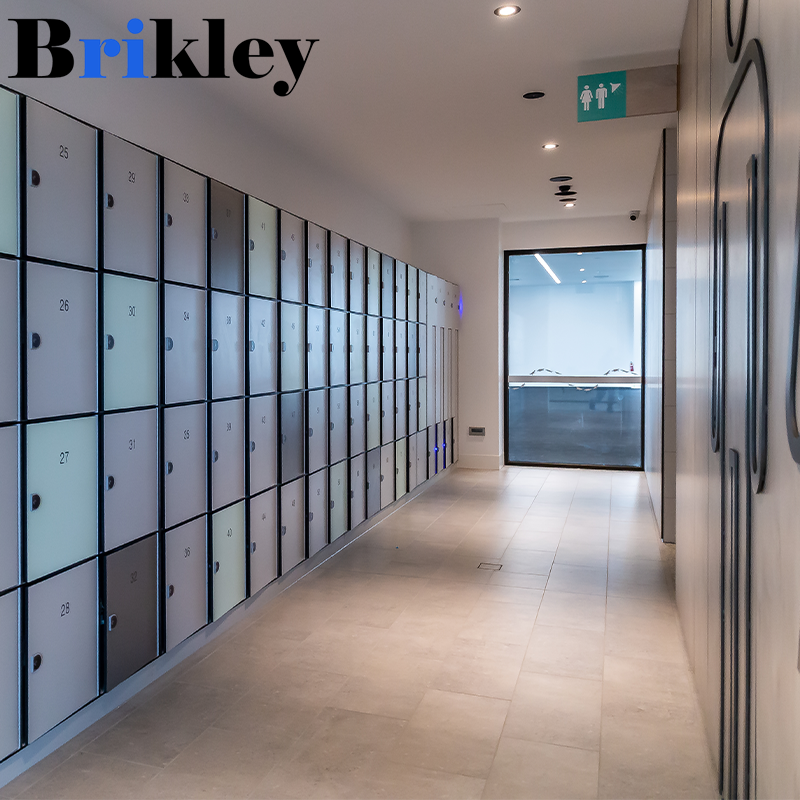
High-pressure laminate exterior panels have become a preferred choice for modern architectural projects due to their durability, aesthetic versatility, and resistance to environmental stressors. However, even the most resilient HPL exterior panel requires proper maintenance to preserve its appearance and structural integrity over time. Understanding the specific care requirements for these panels ensures they continue to deliver the visual impact and protective performance that building owners expect, while preventing premature deterioration that could compromise both aesthetics and functionality.

The maintenance approach for an HPL exterior panel differs significantly from traditional cladding materials, as high-pressure laminate possesses unique surface characteristics that respond specifically to certain cleaning methods and environmental conditions. Building managers, facility maintenance teams, and property owners who implement targeted care strategies can extend the service life of their exterior panels by decades while maintaining the fresh, newly-installed appearance that contributes to property value and architectural distinction. This comprehensive guide explores proven maintenance techniques specifically designed for HPL exterior panel applications across various climate zones and building types.
Understanding HPL Exterior Panel Surface Characteristics
Composition and Surface Technology
The HPL exterior panel features a multi-layered construction where decorative papers are saturated with thermosetting resins and compressed under high pressure and temperature, creating a dense, non-porous surface. This manufacturing process results in a material that resists moisture penetration, UV degradation, and chemical attack more effectively than many conventional exterior materials. The surface layer typically incorporates UV-stable pigments and protective overlay papers that form the first line of defense against environmental factors, making proper maintenance critical to preserving these protective characteristics throughout the panel's service life.
The resin-rich surface of an HPL exterior panel creates a smooth, low-friction finish that naturally resists dirt accumulation and biological growth. However, this same smoothness means that when contaminants do adhere to the surface, they become more visible against the uniform texture and color. Understanding this relationship between surface technology and visible soiling helps maintenance teams appreciate why regular cleaning is essential not just for hygiene but for maintaining the architectural aesthetic that HPL panels are designed to provide in commercial and residential applications.
Environmental Impact Factors
Different environmental conditions affect HPL exterior panel surfaces in distinct ways that influence maintenance frequency and methodology. Coastal installations face salt spray accumulation that can leave mineral deposits and accelerate surface dulling if not addressed promptly. Urban environments expose panels to particulate matter from vehicle emissions and industrial activities, creating a film that gradually obscures the original finish. Rural and forested settings present challenges from organic matter, pollen, and biological growth that can stain surfaces if allowed to remain in contact with the panel for extended periods.
Temperature fluctuations and UV exposure intensity vary by geographic location and building orientation, affecting how an HPL exterior panel ages over time. South-facing installations in high-UV regions experience more intense solar radiation that tests the UV-stabilization chemistry within the laminate, while shaded north-facing panels may be more susceptible to moisture retention and biological activity. Recognizing these environmental variables allows maintenance teams to customize their approach based on specific site conditions rather than applying generic cleaning protocols that may not address the actual challenges facing a particular installation.
Surface Finish Variations
The HPL exterior panel market offers multiple surface finish options including matte, semi-gloss, textured, and high-gloss variants, each requiring slightly different maintenance considerations. Matte and textured finishes tend to hide minor surface imperfections and light soiling more effectively but may require more thorough cleaning methods to remove embedded dirt from surface texture patterns. High-gloss finishes showcase dirt and water spotting more readily but often clean more easily with simple wiping techniques due to their smoother topography.
Textured HPL exterior panel surfaces that replicate wood grain, stone, or other natural materials incorporate three-dimensional surface relief that creates visual interest but also provides microscopic spaces where dirt can accumulate. Maintenance protocols for these surfaces must balance effective cleaning with preservation of the texture definition, avoiding aggressive scrubbing that could wear down the relief pattern over repeated cleaning cycles. Understanding the specific finish type installed on a building allows maintenance personnel to select appropriate tools and techniques that clean effectively without compromising the designed surface characteristics.
Establishing an Effective Cleaning Schedule
Routine Inspection Protocols
Implementing a systematic inspection schedule forms the foundation of effective HPL exterior panel maintenance. Quarterly visual inspections allow maintenance teams to identify emerging issues before they become established problems, including localized staining, biological growth, physical damage, or fastener concerns. During these inspections, particular attention should focus on areas prone to water accumulation, such as lower panel sections, areas beneath overhangs, and locations where horizontal surfaces collect debris that can hold moisture against the panel surface.
Documentation during inspections creates a valuable maintenance history that reveals patterns in soiling, identifies problem areas requiring more frequent attention, and provides evidence of proper care for warranty purposes. Photographic records taken from consistent positions enable direct comparison over time, making subtle changes in surface condition visible that might not be apparent during routine observation. This systematic approach to inspection transforms maintenance from reactive problem-solving to proactive preservation, significantly extending the period during which an HPL exterior panel maintains its as-installed appearance.
Cleaning Frequency Recommendations
The optimal cleaning frequency for an HPL exterior panel depends on environmental exposure, building height, architectural design, and aesthetic expectations. High-visibility commercial installations in urban settings typically benefit from quarterly cleaning to maintain consistent appearance, while residential applications in suburban environments may require only semi-annual attention. Buildings located near industrial facilities, major roadways, or coastal areas generally need more frequent cleaning than those in protected or low-traffic locations due to increased contaminant exposure.
Lower building sections up to approximately three meters from ground level accumulate dirt more rapidly than upper sections due to splash-back from precipitation, pedestrian activity, and landscape irrigation. These areas may warrant monthly or bi-monthly cleaning to prevent the formation of visible tide lines where clean upper sections meet soiled lower areas. Establishing a tiered cleaning schedule that addresses high-soil areas more frequently than protected sections optimizes maintenance efficiency while ensuring uniform appearance across the entire HPL exterior panel installation.
Seasonal Maintenance Considerations
Seasonal environmental changes influence both the type of soiling that affects an HPL exterior panel and the most effective timing for maintenance activities. Spring cleaning addresses winter accumulation of road salt, de-icing chemicals, and organic debris, while removing pollen before it bonds with panel surfaces during hot summer weather. Fall maintenance removes leaf tannins and organic acids before winter precipitation locks these materials against panels for extended periods, and late-season cleaning prevents biological growth from establishing during cool, damp winter months.
Temperature considerations affect cleaning product performance and water behavior on panel surfaces. Cleaning during mild weather between 10°C and 25°C provides optimal conditions for most cleaning solutions and allows surfaces to dry completely before evening temperature drops that could cause moisture retention. Avoiding cleaning during temperature extremes prevents thermal shock to panels, ensures cleaning solutions perform as formulated, and provides comfortable working conditions for maintenance personnel that result in more thorough and careful work.
Proper Cleaning Methods and Materials
Recommended Cleaning Solutions
The chemical composition of cleaning products significantly affects both cleaning effectiveness and long-term HPL exterior panel surface integrity. Mild, pH-neutral detergents specifically formulated for architectural surfaces provide effective cleaning without degrading the resin matrix or affecting surface gloss characteristics. A solution of water with a small amount of neutral dishwashing liquid creates an effective general-purpose cleaner for routine maintenance, while specialized HPL cleaners offer enhanced performance for stubborn soiling without introducing harsh chemicals that could compromise panel performance over time.
Avoiding prohibited cleaning agents is equally important as selecting appropriate products. Abrasive cleaners containing silica or other hard particles scratch the HPL exterior panel surface, creating microscopic damage that dulls appearance and provides sites for future dirt accumulation. Strong alkaline cleaners above pH 10 can gradually degrade resin binders, while acidic solutions below pH 4 may affect pigments and protective overlay layers. Solvent-based cleaners including acetone, methyl ethyl ketone, and aromatic hydrocarbons can dissolve or soften resin components, causing permanent surface damage that cannot be reversed through subsequent maintenance.
Application Techniques
Proper application methodology ensures cleaning solutions contact and remove soiling without damaging the HPL exterior panel surface. Beginning with a thorough rinse using clean water removes loose particulate matter that could act as an abrasive during the cleaning process. Applying cleaning solution from bottom to top prevents streaking caused by concentrated solution dripping down over uncleaned areas, while working in manageable sections ensures consistent results and prevents cleaning solution from drying on surfaces before rinsing.
Using soft-bristle brushes, non-abrasive sponges, or microfiber cloths provides mechanical cleaning action without scratching panel surfaces. For an HPL exterior panel with textured finishes, soft brushes with synthetic bristles follow surface contours effectively while dislodging embedded dirt. Applying moderate pressure during cleaning removes adherent soiling without excessive force that could abrade surfaces or damage texture patterns. Following cleaning with thorough rinsing using clean water prevents residue accumulation that can attract dirt or leave visible streaks once surfaces dry.
Water Management
Water quality and delivery method significantly influence cleaning results and long-term panel condition. Soft water or deionized water prevents mineral deposits that hard water can leave on HPL exterior panel surfaces as evaporation occurs. When hard water must be used, immediate drying with clean microfiber cloths or squeegees prevents mineral spotting that becomes progressively more difficult to remove with each cleaning cycle. Filtered water systems for maintenance equipment eliminate particulates that could scratch surfaces during high-pressure rinsing.
Pressure washing equipment must be used judiciously on an HPL exterior panel installation to avoid surface damage or water intrusion behind panels. Maximum pressure should not exceed 1500 PSI, and nozzles should maintain at least 30 centimeters distance from panel surfaces while using a fan spray pattern rather than concentrated streams. Wide-angle nozzles distributing water across broader areas reduce the risk of localized pressure damage while still providing effective rinsing. For routine maintenance, low-pressure application through garden-hose-type equipment often proves sufficient and eliminates the risks associated with high-pressure systems.
Addressing Specific Staining and Damage
Biological Growth Removal
Algae, mildew, and fungal growth can develop on HPL exterior panel surfaces in shaded, moisture-prone areas where organic matter accumulates. Addressing biological growth promptly prevents staining and surface deterioration while maintaining the clean appearance expected from architectural panels. Specialized biocidal cleaners formulated for use on architectural surfaces effectively eliminate growth without damaging the laminate, while diluted bleach solutions (no stronger than 1 part bleach to 10 parts water) provide an effective alternative for localized treatment of affected areas.
Application of biological growth treatments requires adequate contact time for active ingredients to penetrate and destroy cellular structures. Allowing the treatment solution to remain on the HPL exterior panel surface for 10 to 15 minutes before agitation and rinsing ensures complete effectiveness. Following treatment, thorough rinsing removes dead biological material and treatment residues that could otherwise create new sites for growth establishment. Addressing drainage issues, trimming overhanging vegetation, and improving air circulation around previously affected areas helps prevent recurrence.
Graffiti and Paint Removal
Unauthorized markings on an HPL exterior panel require prompt attention to minimize permanent staining and discourage repeat incidents. Water-based graffiti often responds to standard cleaning solutions with increased mechanical agitation, while oil-based paints and markers require specialized graffiti removers formulated for use on resin-based surfaces. Testing any graffiti removal product on an inconspicuous area confirms compatibility before application to visible surfaces, as some aggressive solvents can damage or discolor laminate finishes.
For stubborn markings that resist standard removal methods, consulting with the HPL exterior panel manufacturer provides access to technical guidance specific to the installed product. Some manufacturers offer proprietary cleaning products designed specifically for their laminate formulations, ensuring effective stain removal without warranty implications. Applying anti-graffiti coatings to vulnerable lower panel sections creates a sacrificial barrier that simplifies future cleaning while protecting the underlying laminate from direct contact with marking materials.
Metallic and Mineral Stain Treatment
Rust stains from adjacent metal components, mineral deposits from hard water, and discoloration from metal-containing dust require specialized treatment approaches for the HPL exterior panel. Rust stains respond to mild acid-based rust removers specifically labeled for use on architectural surfaces, applied carefully only to affected areas and rinsed thoroughly after the recommended contact time. Mineral deposits from irrigation systems or hard water often dissolve with slightly acidic cleaning solutions such as diluted white vinegar, though care must be taken to avoid prolonged contact that could affect panel finishes.
Preventing metallic staining proves more effective than remediation. Installing drip edges, managing water runoff patterns, and using non-ferrous fasteners and adjacent materials eliminates common staining sources. When an HPL exterior panel installation includes metal trim or fasteners, selecting stainless steel or aluminum components prevents rust formation that can transfer to panel surfaces during wet weather. Regular inspection of metal components allows early intervention before corrosion develops sufficiently to cause visible staining on adjacent laminate surfaces.
Long-Term Preservation Strategies
Protective Coatings and Treatments
While the HPL exterior panel incorporates inherent protective properties through its manufacturing process, supplemental protective treatments can enhance performance in challenging environments. Hydrophobic coatings designed for architectural surfaces create water-repellent barriers that cause moisture to bead and run off rather than spreading across panel surfaces, reducing water spotting and mineral deposit formation. These treatments typically require reapplication every 2 to 3 years depending on environmental exposure and provide the additional benefit of making routine cleaning more effective by preventing dirt adhesion.
Anti-graffiti coatings offer valuable protection for accessible lower sections of an HPL exterior panel installation in urban environments. Sacrificial coatings absorb marking materials and can be removed along with graffiti, while permanent coatings create slick surfaces from which marks can be wiped away without specialized cleaners. Evaluating the specific vandalism risk and aesthetic requirements helps determine whether protective coating application represents a worthwhile investment for a particular installation.
Joint and Fastener Maintenance
The longevity and appearance of an HPL exterior panel system depends not only on panel surface condition but also on the integrity of joints, fasteners, and attachment systems. Regular inspection of joint sealants identifies areas where deterioration could allow water intrusion behind panels, creating conditions for hidden damage and potential panel failure. Replacing degraded sealants before they fail completely prevents water damage and maintains the weather-tight envelope that protects building substrates.
Visible fastener systems require periodic inspection to ensure mechanical integrity and prevent localized corrosion that could stain surrounding panel areas. Confirming that all fasteners remain properly tensioned prevents panel movement that could cause abrasion damage at attachment points. For concealed fastener systems, checking that panels remain securely attached and properly aligned prevents progressive loosening that could compromise both appearance and weather protection. Addressing fastener issues promptly prevents minor problems from escalating into major repairs requiring panel replacement.
Documentation and Performance Tracking
Maintaining comprehensive maintenance records creates valuable documentation for warranty claims, provides guidance for optimizing future maintenance schedules, and preserves institutional knowledge about the specific care requirements of an HPL exterior panel installation. Recording cleaning dates, methods used, products applied, and observations about panel condition establishes patterns that inform maintenance planning and budget forecasting. Photographic documentation provides visual evidence of proper care and allows objective assessment of changes in panel condition over time.
Performance tracking identifies areas where maintenance protocols prove particularly effective and highlights locations requiring modified approaches. Analyzing maintenance records may reveal that certain building orientations require more frequent attention, that specific cleaning products deliver superior results, or that seasonal timing affects cleaning effectiveness. This data-driven approach to maintaining an HPL exterior panel transforms routine maintenance into an optimized system that delivers maximum appearance preservation with minimal resource investment over the building's service life.
FAQ
How often should HPL exterior panels be professionally cleaned?
Professional cleaning frequency for HPL exterior panels depends primarily on environmental conditions and aesthetic expectations, but most commercial installations benefit from quarterly professional cleaning to maintain optimal appearance. High-visibility buildings in urban or coastal environments may require monthly attention to lower sections while upper areas need only quarterly service, whereas suburban residential applications often maintain excellent appearance with semi-annual professional cleaning supplemented by periodic owner-performed rinsing. Establishing a customized schedule based on actual soiling patterns observed during the first year of occupancy ensures maintenance efforts align with genuine needs rather than arbitrary intervals.
Can pressure washers damage HPL exterior panel surfaces?
Pressure washers can safely clean HPL exterior panels when used properly with appropriate pressure settings and technique, but improper use poses significant risks of surface damage and water intrusion. Limiting pressure to 1500 PSI maximum, maintaining at least 30 centimeters distance from panel surfaces, using wide-angle fan spray patterns, and avoiding concentrated streams at panel joints protects laminate integrity while providing effective cleaning. For routine maintenance, garden-hose pressure often proves sufficient and eliminates the risks associated with higher-pressure equipment, though professional cleaning services experienced with architectural panels can safely employ pressure washing when heavier soiling requires more aggressive cleaning methods.
What cleaning products should never be used on HPL panels?
Several product categories can cause permanent damage to HPL exterior panel surfaces and should never be used regardless of soiling severity. Abrasive cleaners containing silica, pumice, or other hard particles scratch laminate surfaces creating permanent damage, while strong alkaline cleaners above pH 10 and acidic products below pH 4 can degrade resin binders and affect pigmentation. Organic solvents including acetone, lacquer thinner, methyl ethyl ketone, and aromatic hydrocarbons dissolve or soften the resin matrix causing irreversible surface damage, and steel wool or stiff-bristle brushes create scratching that dulls appearance and provides sites for future dirt accumulation. Adhering to manufacturer-recommended cleaning products and pH-neutral detergents ensures effective cleaning without compromising panel integrity or voiding product warranties.
How can biological growth be prevented on HPL exterior panels?
Preventing biological growth on HPL exterior panels requires managing the environmental conditions that support algae, mildew, and fungal development rather than relying solely on periodic treatment of established growth. Ensuring adequate drainage prevents standing water and persistent moisture on panel surfaces, trimming vegetation to improve air circulation and sunlight exposure eliminates the damp, shaded conditions where biological growth thrives, and regular cleaning removes organic debris that provides nutrients for biological colonization. In persistently problematic areas, applying biocidal treatments as preventive maintenance during spring months before growing seasons begin can suppress growth establishment, while addressing underlying moisture issues through improved building design, drainage modifications, or landscape adjustments provides long-term solutions that eliminate recurring growth patterns requiring repeated intervention.