
 EN
EN
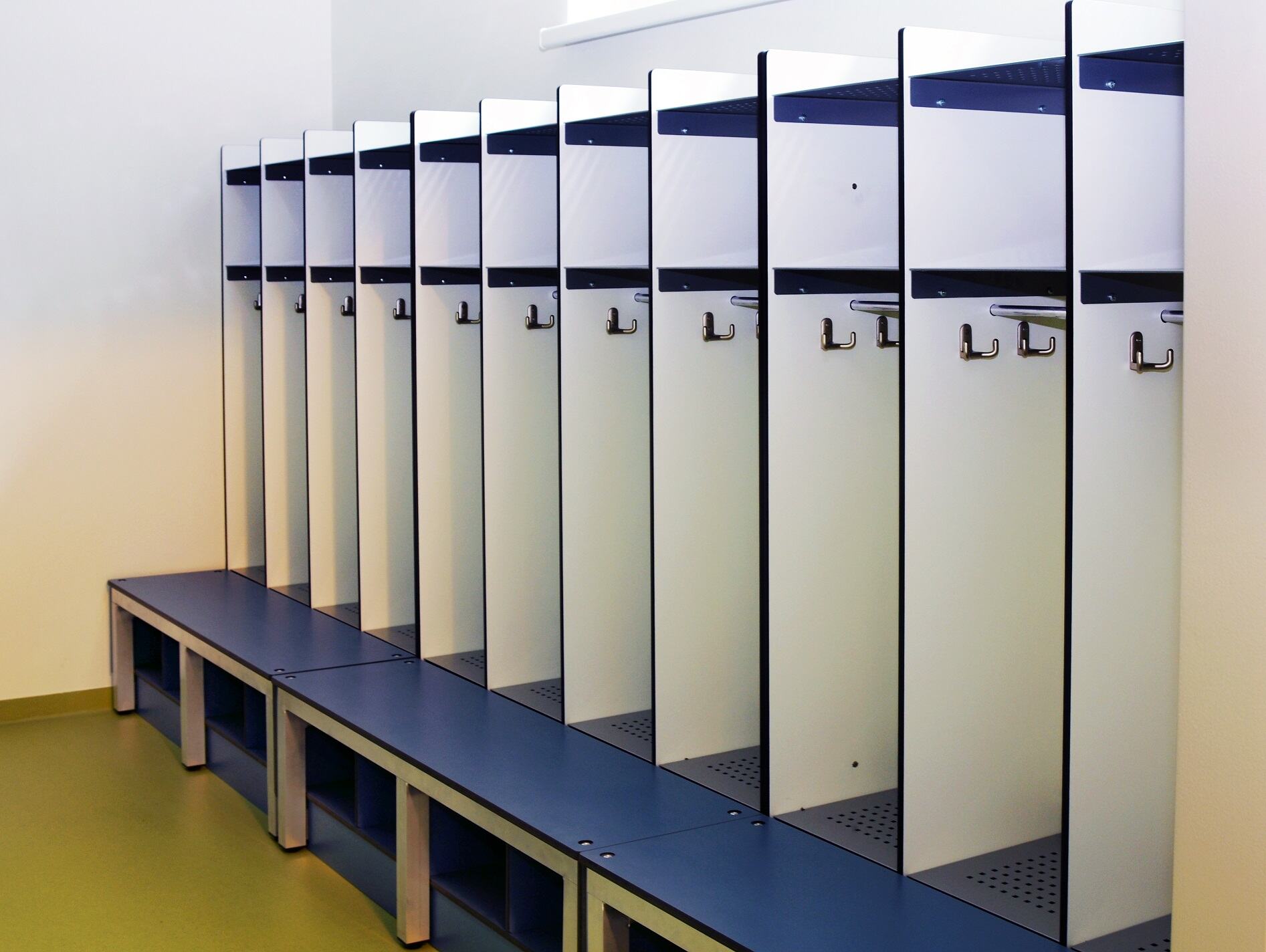
Maintaining an HPL locker in optimal condition requires a systematic approach that addresses both daily care routines and periodic deep maintenance procedures. High Pressure Laminate lockers represent a significant investment in durable storage solutions, making proper maintenance essential for maximizing their operational lifespan and preserving their professional appearance in commercial and institutional environments.
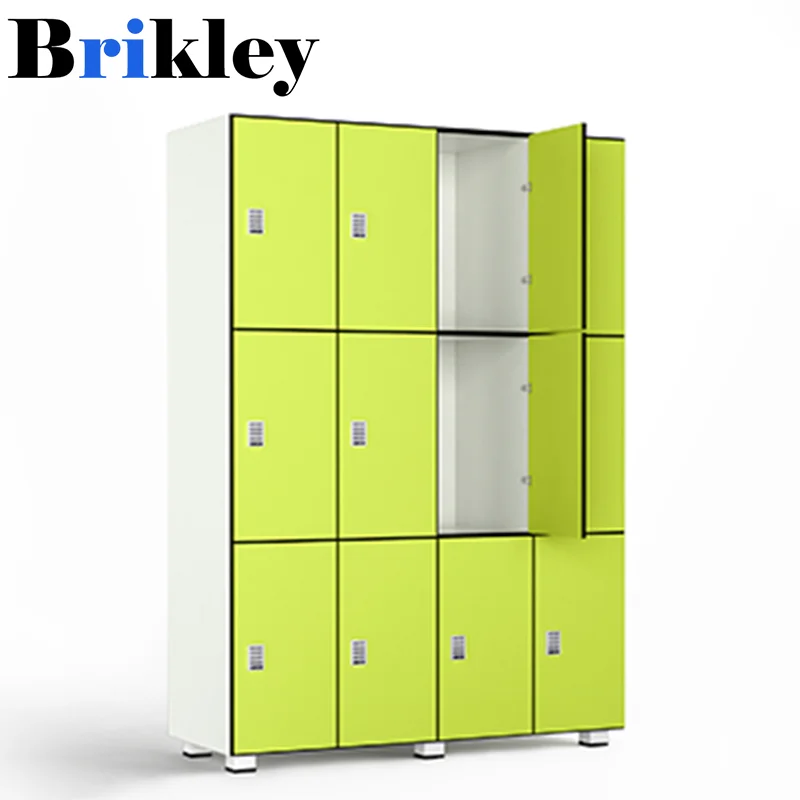
The maintenance requirements for an HPL locker differ significantly from traditional metal or wood storage units due to the unique properties of high pressure laminate construction. Understanding these specific maintenance needs ensures that facility managers can implement cost-effective care programs that prevent premature deterioration while maintaining the aesthetic and functional integrity that makes HPL lockers a preferred choice across various industries.
Essential Daily Cleaning Protocols for HPL Lockers
Surface Cleaning and Sanitization Methods
Daily surface cleaning forms the foundation of proper HPL locker maintenance, requiring specific techniques that protect the laminate finish while ensuring thorough sanitization. The non-porous surface of an HPL locker allows for effective cleaning with mild detergent solutions, but harsh abrasives or chemical cleaners can damage the protective surface layer and compromise long-term durability.
Use microfiber cloths dampened with a solution of warm water and pH-neutral cleaner to wipe down all exterior and interior surfaces of each HPL locker unit. This gentle approach removes daily accumulation of dirt, fingerprints, and surface contaminants without scratching the laminate surface. Pay particular attention to high-touch areas such as door handles, lock mechanisms, and ventilation openings where bacterial buildup is most likely to occur.
For sanitization purposes, apply an EPA-approved disinfectant that is compatible with laminate surfaces, allowing appropriate contact time as specified by the manufacturer before wiping clean with a damp cloth. This two-step cleaning and sanitization process ensures that each HPL locker maintains hygienic conditions while preserving the integrity of the laminate finish.
Proper Ventilation and Air Circulation Management
Maintaining adequate air circulation within each HPL locker prevents moisture accumulation that can lead to odor development and potential damage to stored items. Check that all ventilation slots and openings remain unobstructed by debris, dust, or temporary coverings that users might have inadvertently placed over these critical airflow points.
Inspect the ventilation system regularly to ensure that air can flow freely through the HPL locker compartments, particularly in humid environments where condensation might otherwise accumulate on interior surfaces. Clean ventilation openings weekly using compressed air or a soft brush to remove dust buildup that could impede proper airflow and create conditions conducive to mold or mildew growth.
Document any ventilation issues immediately, as compromised air circulation can accelerate wear on internal components and create user complaints about odors or moisture problems within individual HPL locker units. Proper ventilation maintenance extends beyond simple cleaning to include monitoring ambient humidity levels and ensuring that the installation environment supports optimal locker performance.
Hardware Inspection and Mechanical Maintenance
Lock Mechanism Care and Calibration
The locking mechanisms on HPL locker units require regular inspection and maintenance to ensure reliable operation and user security. Electronic combination locks, in particular, need periodic battery checks and calibration verification to prevent lockout situations that can disrupt facility operations and require costly emergency service calls.
Test each electronic lock monthly by cycling through the programming sequence and verifying that all user codes function correctly. Replace batteries in electronic locks according to the manufacturer's recommended schedule, typically every 12-18 months, rather than waiting for low battery warnings that might leave users unable to access their HPL locker when needed.
For mechanical combination locks, ensure that the dial mechanism operates smoothly without binding or excessive play in the mechanism. Apply a small amount of graphite lubricant to mechanical lock components annually, avoiding oil-based lubricants that can attract dust and debris that interfere with precise lock operation over time.
Hinge and Door Alignment Maintenance
Door hinges on HPL locker units experience constant stress from repeated opening and closing cycles, making regular hinge maintenance essential for preventing alignment problems that can lead to door warping or closure difficulties. Inspect hinge pins and pivot points quarterly for signs of wear, corrosion, or loosening that could compromise door operation.
Lubricate hinge mechanisms using a light machine oil applied sparingly to pivot points, ensuring that excess lubricant does not attract dirt or create unsightly stains on the HPL locker surface. Proper lubrication reduces friction and wear while maintaining smooth door operation that enhances user satisfaction and extends hardware lifespan.
Check door alignment by observing the gap consistency around the door perimeter when closed, noting any irregularities that might indicate settling of the HPL locker installation or wear in the hinge hardware. Address alignment issues promptly through adjustment or replacement of worn components to prevent progressive damage that could require more extensive repairs.
Protective Measures and Damage Prevention
Impact Protection and Surface Preservation
Implementing protective measures around HPL locker installations helps prevent accidental damage from equipment impacts, user mishandling, or facility maintenance activities. Install protective corner guards and base trim where appropriate to shield vulnerable areas from damage caused by cleaning equipment, carts, or other mobile equipment used in the facility.
Train facility users on proper HPL locker operation techniques, emphasizing gentle door closure and appropriate force levels when operating locking mechanisms. User education significantly reduces maintenance requirements by preventing damage caused by slamming doors, forcing stuck locks, or using inappropriate tools to open malfunctioning units.
Establish clear protocols for reporting damage or operational issues with HPL locker units, encouraging prompt notification rather than allowing problems to worsen through continued use. Early intervention for minor issues prevents escalation into major repairs that could require replacement of entire locker sections or extensive refinishing work.
Environmental Control and Moisture Management
Environmental conditions significantly impact the longevity and performance of HPL locker installations, making climate control an essential component of comprehensive maintenance programs. Monitor ambient temperature and humidity levels to ensure they remain within manufacturer-specified ranges that optimize laminate stability and prevent expansion-related problems.
Address moisture infiltration sources promptly, including roof leaks, plumbing issues, or inadequate HVAC systems that could expose HPL locker units to excessive humidity or direct water contact. While HPL materials offer excellent moisture resistance, prolonged exposure to standing water or extremely high humidity can eventually compromise even the most durable installations.
Implement seasonal maintenance checks that account for changing environmental conditions, adjusting ventilation settings and monitoring procedures to accommodate variations in humidity and temperature that occur throughout the year in most facilities housing HPL locker installations.
Long-term Care and Renovation Planning
Periodic Deep Cleaning and Restoration
Schedule comprehensive deep cleaning sessions annually to address accumulated wear and maintain the professional appearance that makes HPL locker installations an attractive choice for discerning facility managers. Deep cleaning involves complete disassembly of removable components, thorough cleaning of all surfaces, and detailed inspection for signs of wear that might require attention.
Use specialized laminate restoration products during deep cleaning sessions to refresh the surface finish and remove stubborn stains or scuff marks that regular maintenance might not address completely. These restoration treatments help maintain the original appearance of HPL locker surfaces while providing additional protection against future wear and staining.
Document the condition of each HPL locker unit during deep cleaning sessions, creating maintenance records that help predict future service needs and budget requirements for replacement components or major refurbishment projects. Systematic record-keeping enables proactive maintenance planning that minimizes unexpected failures and extends overall system lifespan.
Component Replacement and Upgrade Strategies
Develop a strategic approach to component replacement that balances cost-effectiveness with operational reliability, identifying wear patterns that indicate optimal timing for proactive replacement of hardware components. Replace worn items before complete failure occurs to avoid emergency service calls and user inconvenience that can damage facility reputation.
Consider technology upgrades during major maintenance cycles, evaluating newer lock mechanisms or enhanced security features that might improve HPL locker functionality while simplifying ongoing maintenance requirements. Modern electronic systems often offer improved reliability and reduced maintenance needs compared to older installations.
Plan component replacements in phases to minimize disruption to facility operations while ensuring that maintenance activities do not interfere with peak usage periods. Phased replacement strategies allow for budget distribution over time while maintaining consistent HPL locker availability for users throughout the facility.
FAQ
How often should HPL locker surfaces be cleaned and sanitized?
HPL locker surfaces should be cleaned daily with mild detergent solutions and sanitized according to facility usage patterns and health requirements. High-traffic installations may require multiple cleaning cycles per day, while lower-use facilities can maintain adequate hygiene with daily cleaning and weekly deep sanitization using EPA-approved disinfectants compatible with laminate surfaces.
What cleaning products should be avoided when maintaining HPL lockers?
Avoid abrasive cleaners, bleach-based products, ammonia solutions, and petroleum-based solvents that can damage the protective laminate finish on HPL locker surfaces. Steel wool, scouring pads, and harsh scrubbing tools should never be used, as they can create permanent scratches that compromise both appearance and hygiene by creating areas where bacteria can accumulate.
When do electronic locks in HPL lockers typically need battery replacement?
Electronic locks in HPL locker units typically require battery replacement every 12-18 months under normal usage conditions, though high-traffic installations may need more frequent battery changes. Monitor battery status indicators when available and maintain a proactive replacement schedule rather than waiting for low battery warnings to prevent user lockout situations and emergency service calls.
How can facility managers prevent damage to HPL locker installations?
Prevent damage to HPL locker installations through user education programs, protective barrier installation, regular inspection protocols, and prompt repair of minor issues before they escalate. Establish clear usage guidelines, provide adequate lighting around locker areas, and ensure that facility maintenance equipment cannot impact locker surfaces during routine cleaning and maintenance activities.