
 EN
EN
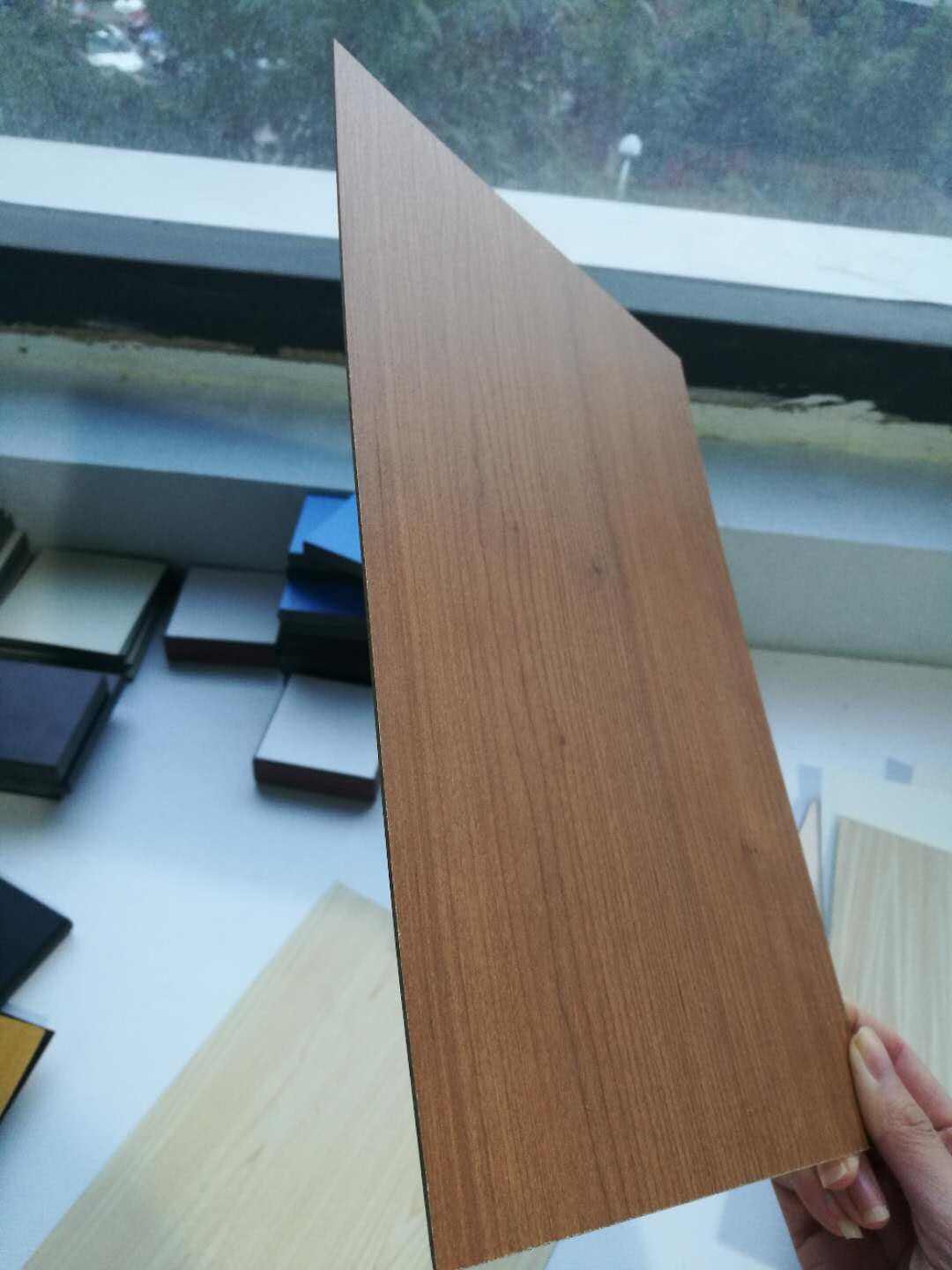
High-pressure laminate has emerged as the material of choice for countless commercial and residential applications, fundamentally transforming how we approach surface design and functionality. The preference for HPL laminate stems from its unique manufacturing process that creates a material with exceptional durability, aesthetic versatility, and practical performance characteristics that traditional materials simply cannot match. Understanding why HPL laminate has gained such widespread acceptance requires examining the specific advantages that make it superior to alternatives in demanding applications.
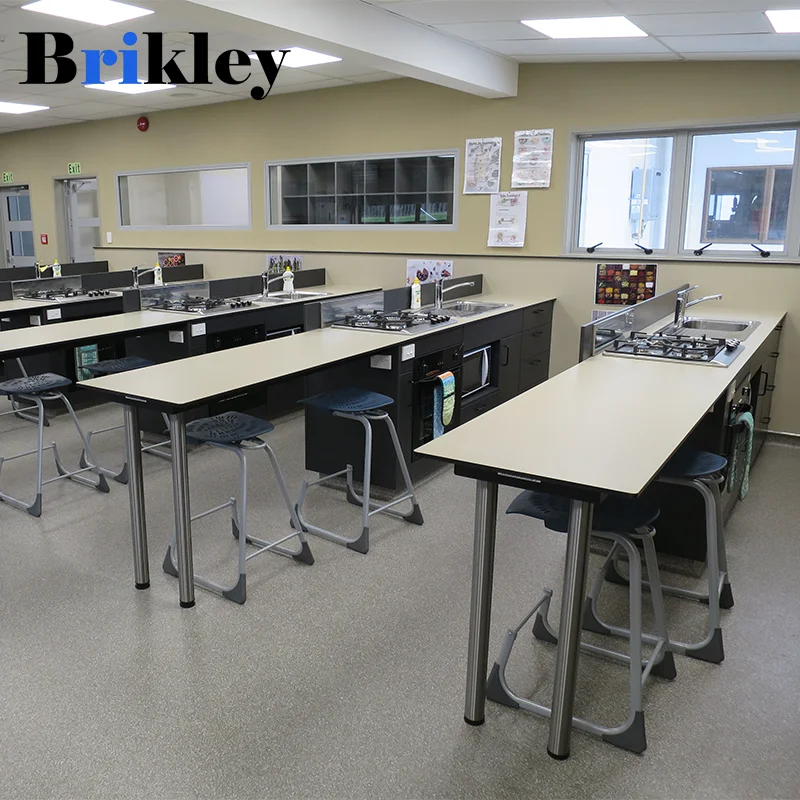
The growing preference for HPL laminate in worktops and furniture reflects a broader shift toward materials that deliver both immediate visual impact and long-term performance reliability. This preference is not merely a trend but a response to the practical demands of modern commercial and residential environments where surfaces must withstand intensive daily use while maintaining their appearance and structural integrity. The reasons behind this preference encompass technical performance, economic considerations, and design flexibility that collectively make HPL laminate an optimal choice for surface applications.
Exceptional Durability and Performance Characteristics
Superior Resistance to Physical Impact and Wear
The preference for HPL laminate begins with its extraordinary resistance to physical stress and daily wear patterns. The high-pressure manufacturing process creates a dense, compact surface that can withstand impacts, scratches, and abrasion that would damage conventional materials. This durability translates directly into reduced maintenance costs and extended service life, making HPL laminate particularly valuable in high-traffic commercial environments and busy residential kitchens where surfaces face constant use.
Laboratory testing demonstrates that HPL laminate maintains its structural integrity and surface appearance even after millions of wear cycles. This performance consistency explains why furniture manufacturers and architects specify HPL laminate for applications where surface failure could result in costly replacements or operational disruptions. The material's ability to resist chipping, cracking, and delamination under stress provides the reliability that makes it preferred over traditional wood veneers or solid surface materials.
Chemical and Moisture Resistance Properties
The chemical resistance of HPL laminate represents another critical factor in its widespread preference for worktop applications. The phenolic resin core and melamine surface combine to create a barrier that resists staining from common household and commercial chemicals, including acids, bases, and organic solvents. This resistance is particularly important in kitchen environments where food acids, cleaning chemicals, and spills are routine occurrences that can permanently damage other surface materials.
Moisture resistance further enhances the appeal of HPL laminate, as the dense structure prevents water absorption that leads to swelling, warping, or delamination in wood-based materials. This moisture stability makes HPL laminate suitable for environments with varying humidity levels and occasional water exposure. The combination of chemical and moisture resistance creates a surface that maintains its appearance and functionality regardless of environmental conditions or exposure patterns.
Design Versatility and Aesthetic Appeal
Extensive Pattern and Texture Options
The preference for HPL laminate extends beyond performance to encompass the remarkable design flexibility that allows architects and designers to achieve virtually any aesthetic vision. Modern HPL laminate manufacturing techniques can replicate wood grains, stone textures, fabric patterns, and solid colors with exceptional fidelity. This versatility enables designers to specify a single material type while achieving diverse visual effects that would traditionally require multiple different materials with varying performance characteristics.
The surface texturing capabilities of HPL laminate production allow for creation of tactile experiences that enhance both visual and physical interaction with surfaces. From smooth, glossy finishes that reflect light to deeply textured surfaces that provide grip and visual interest, HPL laminate can be engineered to meet specific functional and aesthetic requirements. This design flexibility explains why HPL laminate has become preferred in applications ranging from high-end residential furniture to commercial office environments where consistent appearance and performance are essential.
Color Consistency and UV Stability
Color consistency across large surface areas and between production batches represents a significant advantage that drives preference for HPL laminate in commercial applications. Unlike natural materials that exhibit inherent variation, HPL laminate provides predictable color matching that enables seamless integration across multiple furniture pieces or architectural elements. This consistency is particularly valuable in corporate environments where brand color accuracy and visual uniformity support professional image requirements.
UV stability ensures that HPL laminate colors remain stable under fluorescent lighting and natural sunlight exposure that can cause fading or color shift in other materials. This stability reduces the need for replacement or refinishing over the service life of furniture and architectural installations. The combination of initial color accuracy and long-term stability makes HPL laminate preferred for applications where appearance consistency is critical to overall design success.
Economic and Practical Advantages
Cost-Effectiveness and Value Engineering
The economic advantages of HPL laminate contribute significantly to its preference in both commercial and residential applications. The material cost per square foot, combined with installation efficiency and minimal maintenance requirements, creates a total cost of ownership that often surpasses more expensive alternatives. This cost-effectiveness becomes particularly important in large-scale commercial projects where material costs directly impact project feasibility and profitability.
Value engineering analysis consistently favors HPL laminate because the material delivers premium appearance and performance at a fraction of the cost of solid hardwood, natural stone, or engineered surfaces. The ability to achieve high-end aesthetics without premium material costs allows designers to allocate budget resources to other project elements while maintaining surface quality expectations. This economic efficiency explains why HPL laminate has become the standard specification for commercial furniture and architectural millwork applications.
Installation and Fabrication Efficiency
The preference for HPL laminate also reflects the practical advantages of working with a material that can be efficiently cut, shaped, and installed using standard woodworking tools and techniques. This fabrication compatibility reduces installation time and eliminates the need for specialized tools or techniques required for stone, metal, or composite materials. The efficiency gains translate into reduced labor costs and faster project completion times that benefit both contractors and end users.
Edge banding and joinery techniques for HPL laminate have been refined to create seamless connections that rival the appearance of solid materials while providing superior durability and moisture resistance. The availability of matching edge banding materials and adhesive systems specifically designed for HPL laminate installation ensures consistent results across different fabrication environments. This installation reliability reduces the risk of callbacks and warranty issues that can affect project profitability and customer satisfaction.
Environmental and Sustainability Benefits
Resource Efficiency and Recycled Content
Environmental considerations increasingly influence material selection decisions, and HPL laminate offers several sustainability advantages that contribute to its growing preference. The manufacturing process efficiently utilizes wood fiber resources, often incorporating recycled paper and post-consumer content that reduces demand for virgin materials. This resource efficiency aligns with green building requirements and corporate sustainability goals that drive material specification decisions.
The durability and longevity of HPL laminate reduce replacement frequency, which minimizes the environmental impact associated with material extraction, manufacturing, and disposal. Surfaces that maintain their appearance and functionality for decades reduce the total environmental footprint compared to materials that require periodic replacement or refinishing. This lifecycle sustainability perspective makes HPL laminate preferred in applications where environmental responsibility is a key decision factor.
Low VOC Emissions and Indoor Air Quality
Indoor air quality concerns have elevated the importance of low-emission materials in commercial and residential environments. HPL laminate manufacturers have developed formulations that minimize volatile organic compound emissions, contributing to healthier indoor environments. This emission control is particularly important in office environments, educational facilities, and healthcare settings where occupant health and productivity are primary concerns.
The stable surface of HPL laminate does not require ongoing treatments or finishes that could introduce chemicals into indoor environments. Unlike wood surfaces that may require periodic refinishing with potentially harmful chemicals, HPL laminate maintains its appearance through simple cleaning with standard commercial cleaners. This maintenance simplicity reduces chemical exposure risks while maintaining the aesthetic and functional performance that makes HPL laminate preferred for sensitive applications.
Specific Application Advantages
Laboratory and Healthcare Environments
The preference for HPL laminate in specialized applications like laboratory worktops reflects performance requirements that extend beyond typical commercial or residential needs. Chemical resistance, ease of decontamination, and dimensional stability under varying temperature and humidity conditions make HPL laminate particularly suitable for scientific and healthcare applications where surface failure could compromise safety or research accuracy.
The non-porous surface of HPL laminate prevents bacterial growth and chemical absorption that could create contamination risks in laboratory or clinical environments. This hygienic performance, combined with the ability to withstand repeated decontamination procedures, makes HPL laminate preferred over porous materials that could harbor contaminants. The surface stability under autoclave sterilization and chemical disinfection processes ensures consistent performance in demanding applications.
Commercial Kitchen and Food Service Applications
Food service environments present unique challenges that make the preference for HPL laminate particularly logical. Heat resistance, stain resistance, and cleanability combine to create surfaces that can withstand the demanding conditions of commercial food preparation while maintaining sanitary conditions. The material's resistance to oils, acids, and food stains prevents the absorption and retention of contaminants that could create food safety risks.
The ability of HPL laminate to maintain its appearance despite intensive daily cleaning with commercial-grade detergents and sanitizers makes it preferred over materials that deteriorate under harsh cleaning regimens. Edge sealing techniques prevent moisture infiltration at joints and connections, eliminating the weak points that often lead to premature failure in food service applications. This comprehensive performance in demanding environments explains why HPL laminate has become the standard specification for commercial food service worktops.
FAQ
How long does HPL laminate typically last in worktop applications?
HPL laminate worktops typically provide 15-20 years of service life in residential applications and 10-15 years in heavy commercial use, depending on maintenance practices and usage intensity. The material's resistance to wear, chemicals, and moisture enables it to maintain both appearance and functionality throughout this extended service period, making it a cost-effective choice for long-term installations.
Can HPL laminate be repaired if it becomes damaged?
Minor surface damage to HPL laminate can often be addressed through professional repair techniques, including filling, sanding, and local refinishing. However, the durability of HPL laminate means that damage requiring repair is relatively uncommon under normal use conditions. For severe damage, section replacement is typically more practical than attempting extensive repairs, though the modular nature of most installations makes partial replacement feasible.
Is HPL laminate suitable for high-temperature applications?
Standard HPL laminate can withstand moderate heat exposure typical in kitchen and office environments, but specialized high-temperature formulations are available for applications requiring enhanced heat resistance. Laboratory-grade HPL laminate can withstand temperatures up to 180°C, making it suitable for specialized applications where heat resistance is critical. Always verify temperature specifications with manufacturers for specific application requirements.
What maintenance is required to preserve HPL laminate appearance?
HPL laminate requires only routine cleaning with mild detergents and water to maintain its appearance and hygiene. Avoid abrasive cleaners and scouring pads that could damage the surface finish, and immediately clean spills to prevent potential staining. The low-maintenance nature of HPL laminate is one of the key factors driving its preference over materials requiring periodic refinishing or specialized care procedures.