
 EN
EN
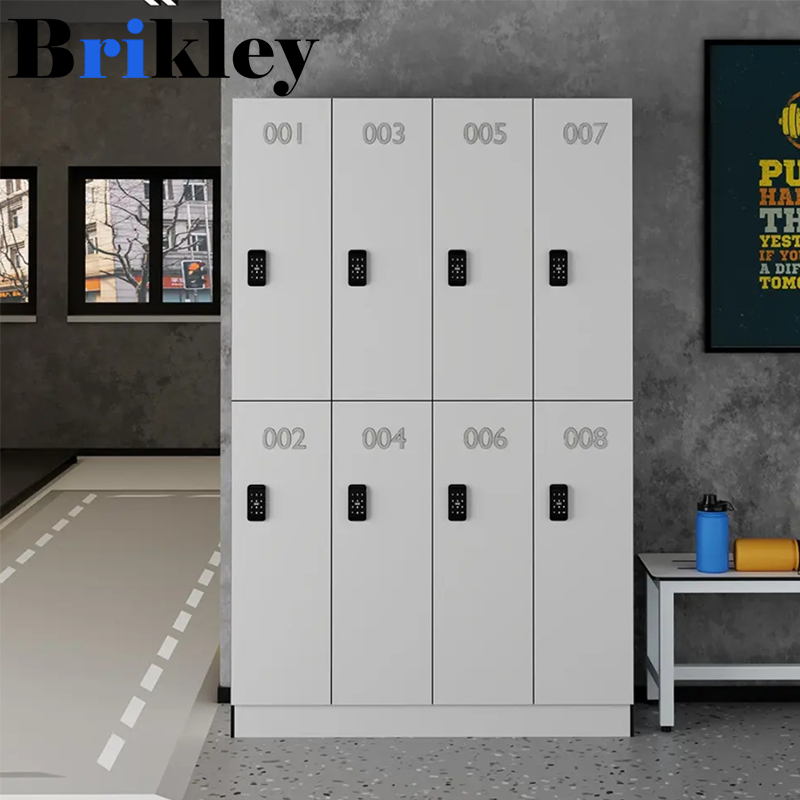
High-pressure laminate has become the material of choice for architects, facility managers, and designers working on projects that demand exceptional durability and performance. When spaces experience heavy foot traffic, frequent cleaning, and constant use, traditional materials often fall short of expectations, leading to premature wear, costly replacements, and maintenance headaches. Understanding the specific advantages that HPL laminate brings to high-use areas helps professionals make informed decisions that balance initial investment with long-term performance and operational efficiency.
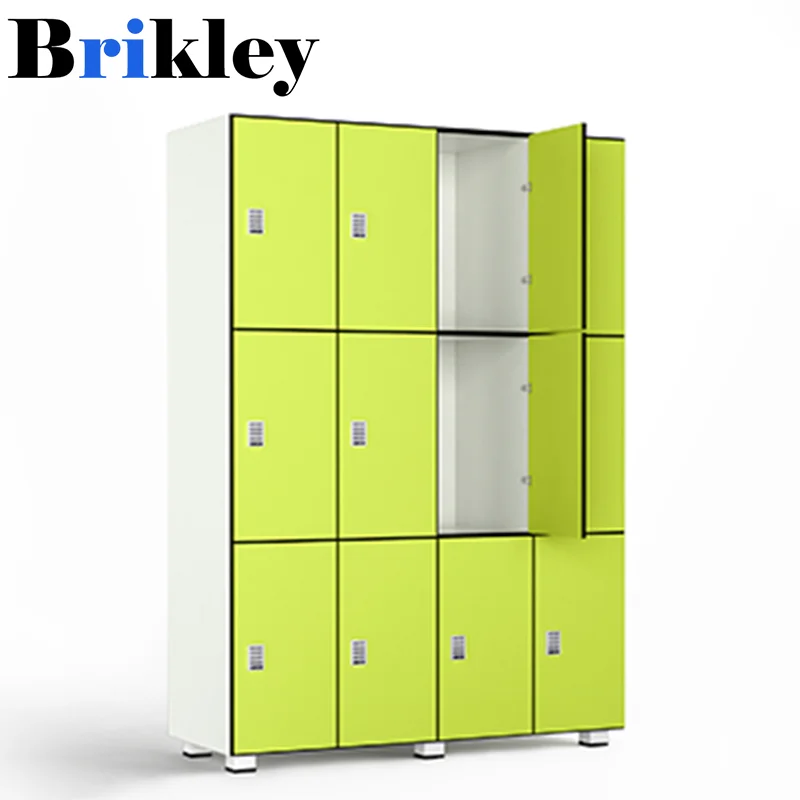
The question of why HPL laminate excels in demanding environments extends beyond simple durability metrics. High-use areas present unique challenges that require materials capable of withstanding mechanical stress, chemical exposure, moisture fluctuations, and intensive cleaning protocols while maintaining their aesthetic appeal and structural integrity. HPL laminate addresses these challenges through its engineered construction and performance characteristics, making it particularly valuable for educational institutions, healthcare facilities, commercial buildings, and recreational centers where reliability cannot be compromised.
Superior Mechanical Durability Under Heavy Traffic
Impact Resistance and Surface Protection
HPL laminate demonstrates exceptional resistance to impact damage that commonly occurs in high-traffic environments. The material's multilayer construction, featuring a decorative layer protected by a clear overlay and bonded under high pressure and temperature, creates a surface that withstands dropped objects, cart impacts, and accidental collisions without chipping, cracking, or delaminating. This impact resistance proves particularly valuable in school corridors, hospital hallways, and office spaces where wheeled equipment and heavy foot traffic are constant factors.
The surface hardness of HPL laminate provides superior scratch resistance compared to traditional materials like painted surfaces, vinyl, or standard wood finishes. Daily activities such as furniture movement, cleaning equipment operation, and general wear from shoes and accessories rarely leave permanent marks on properly specified HPL surfaces. This scratch resistance maintains the material's appearance over extended periods, reducing the need for refinishing or replacement that other materials require in high-use applications.
Wear Pattern Management
Unlike materials that show obvious wear patterns in high-traffic zones, HPL laminate maintains consistent appearance across its entire surface area. The manufacturing process embeds color and pattern throughout the decorative layer, ensuring that minor surface wear does not reveal contrasting substrate colors or create unsightly traffic patterns. This characteristic proves essential in lobbies, cafeterias, and common areas where uneven wear would compromise the professional appearance of the space.
The uniform wear characteristics of HPL laminate extend the effective lifespan of installations in demanding environments. While softer materials may require replacement or refinishing after several years of heavy use, properly maintained HPL laminate surfaces can maintain acceptable appearance and performance for decades. This longevity translates directly into reduced lifecycle costs and minimized disruption to facility operations during maintenance periods.
Chemical Resistance and Hygienic Performance
Cleaning Protocol Compatibility
High-use areas typically require intensive cleaning protocols using strong disinfectants, degreasers, and sanitizing agents that can damage or degrade conventional materials. HPL laminate exhibits excellent resistance to a wide range of cleaning chemicals, including alcohol-based sanitizers, bleach solutions, and commercial-grade disinfectants commonly used in healthcare and educational settings. This chemical compatibility allows facility maintenance teams to implement rigorous cleaning procedures without compromising material integrity or appearance.
The non-porous surface of HPL laminate prevents absorption of cleaning chemicals, food spills, and other substances that could create staining or odor problems over time. Unlike porous materials such as unsealed wood or certain plastics, HPL laminate does not harbor bacteria, mold, or other microorganisms within its surface structure. This hygienic advantage proves particularly important in food service areas, healthcare environments, and childcare facilities where sanitation requirements are stringent.
Stain Resistance and Maintenance Efficiency
The surface properties of HPL laminate provide exceptional resistance to common staining agents including coffee, food colorings, markers, and bodily fluids. Most substances can be removed from HPL surfaces using standard cleaning procedures without leaving permanent discoloration or requiring special treatment. This stain resistance reduces maintenance costs and ensures that high-visibility areas maintain their intended appearance despite exposure to diverse contaminants.
Maintenance efficiency represents a significant operational advantage in high-use environments where cleaning crews must work quickly and effectively. HPL laminate surfaces require minimal specialized care beyond routine cleaning, eliminating the need for periodic waxing, sealing, or refinishing that other materials demand. This simplified maintenance approach reduces labor costs and material expenses while ensuring consistent cleanliness standards across the facility.
Moisture Management and Environmental Stability
Dimensional Stability Under Varying Conditions
High-use areas often experience fluctuating environmental conditions including temperature changes, humidity variations, and moisture exposure from cleaning activities or weather conditions. HPL laminate maintains exceptional dimensional stability under these varying conditions, resisting warping, swelling, or shrinkage that can affect other materials. This stability ensures that installations maintain proper fit and finish over time, preventing gaps, buckling, or other installation failures that could create safety hazards or aesthetic issues.
The moisture resistance of HPL laminate extends beyond surface protection to include edge sealing and core stability. Modern HPL products incorporate moisture-resistant adhesives and core materials that prevent delamination even when exposed to elevated humidity or occasional water contact. This comprehensive moisture management proves essential in areas such as locker rooms, kitchens, and entrance vestibules where traditional materials often fail prematurely due to moisture-related problems.
Thermal Cycling Performance
Facilities with high occupancy levels and diverse activities experience significant temperature fluctuations throughout daily and seasonal cycles. HPL laminate demonstrates excellent performance under thermal cycling conditions, maintaining bond integrity and surface quality despite expansion and contraction stresses. This thermal stability prevents the cracking, checking, or delamination problems that affect many materials in environments with variable heating and cooling patterns.
The thermal properties of HPL laminate also contribute to energy efficiency in high-use buildings. The material's insulating characteristics and thermal mass help moderate temperature swings, reducing the load on HVAC systems and contributing to overall building performance. This energy efficiency advantage becomes more significant in large facilities where material selection can meaningfully impact operational costs over the building's lifespan.
Design Flexibility and Aesthetic Longevity
Pattern and Color Retention
The manufacturing process used to produce HPL laminate ensures exceptional color fastness and pattern stability under challenging conditions including UV exposure, artificial lighting, and chemical cleaning. Unlike printed or painted surfaces that may fade or discolor over time, HPL laminate maintains its original appearance for extended periods even in high-visibility applications. This color retention proves particularly valuable in corporate environments, educational facilities, and public buildings where consistent aesthetic standards are essential.
Modern HPL laminate offers extensive design possibilities including wood grains, stone textures, solid colors, and contemporary patterns that complement diverse architectural styles. The ability to specify materials that meet both performance requirements and aesthetic goals eliminates the compromise between durability and appearance that often characterizes high-use applications. This design flexibility allows architects and designers to create attractive, functional spaces without sacrificing long-term performance expectations.
Repair and Replacement Considerations
When damage does occur in high-use areas, HPL laminate installations offer practical repair and replacement advantages. Individual panels or sections can often be replaced without affecting surrounding areas, minimizing disruption and repair costs. The availability of matching materials over extended periods ensures that future maintenance or modifications can maintain consistent appearance throughout the facility.
The modular nature of many HPL laminate applications also facilitates future renovations or space reconfigurations. Unlike monolithic materials that require complete removal and replacement, HPL installations can often be partially modified or updated to accommodate changing facility needs. This adaptability provides long-term value by extending the useful life of installations and reducing renovation costs when space requirements change.
Cost-Effectiveness and Lifecycle Value
Initial Investment Versus Long-Term Performance
While HPL laminate may carry higher initial costs compared to some alternative materials, the total cost of ownership calculation often favors HPL in high-use applications. The extended service life, reduced maintenance requirements, and minimal replacement needs typically result in lower lifecycle costs despite higher upfront investment. This economic advantage becomes more pronounced in applications where material failure would result in significant operational disruption or safety concerns.
The predictable performance characteristics of HPL laminate enable more accurate budgeting and maintenance planning for facility managers. Unlike materials with variable lifespans or unpredictable failure modes, HPL installations provide reliable service over known timeframes, facilitating better capital planning and reducing unexpected maintenance expenses. This predictability proves particularly valuable for institutional and commercial facilities operating under tight budget constraints.
Operational Efficiency Benefits
High-use facilities often operate under strict schedules where material failures or extensive maintenance activities can disrupt normal operations. HPL laminate's reliability and low maintenance requirements minimize these operational interruptions, allowing facilities to maintain consistent service levels without accommodation for material-related downtime. This operational advantage translates into both cost savings and improved user satisfaction across diverse facility types.
The ease of cleaning and maintenance associated with HPL laminate also reduces the time and labor required for routine facility care. Custodial staff can clean HPL surfaces quickly and effectively using standard procedures and equipment, improving overall maintenance efficiency. This efficiency advantage becomes more significant in large facilities where small improvements in cleaning productivity can result in substantial labor cost savings over time.
FAQ
How long does HPL laminate typically last in high-traffic areas?
HPL laminate in high-use areas typically provides 15-25 years of service life depending on traffic levels and maintenance practices. In properly maintained installations with appropriate specification for the intended use, many HPL surfaces continue to provide acceptable appearance and performance well beyond their expected service life. The key factors affecting longevity include proper installation, appropriate grade selection for the application, and consistent maintenance procedures.
Can HPL laminate be repaired if damaged in high-use areas?
Minor surface damage to HPL laminate can sometimes be repaired using specialized compounds and techniques, though replacement is often the preferred solution for significant damage. The modular nature of most HPL installations allows individual panels or sections to be replaced without affecting surrounding areas. For high-use applications, specifying HPL with enhanced impact resistance and maintaining spare materials for future repairs provides the most practical approach to damage management.
What cleaning products are safe to use on HPL laminate in demanding environments?
HPL laminate is compatible with most commercial cleaning products including alcohol-based sanitizers, diluted bleach solutions, and standard disinfectants. However, abrasive cleaners, strong acids, and products containing hydrofluoric acid should be avoided as they can damage the surface. For high-use areas requiring intensive cleaning, testing cleaning products on inconspicuous areas before full implementation ensures compatibility and prevents potential surface damage.
Is HPL laminate suitable for exterior high-use areas?
Standard interior-grade HPL laminate is not recommended for exterior applications due to UV degradation and moisture exposure concerns. However, specialized exterior-grade HPL products are available that incorporate UV-resistant overlays and enhanced weather protection for outdoor high-use areas. These products require careful specification and installation to ensure proper performance in challenging exterior environments where standard interior materials would fail quickly.