
 EN
EN
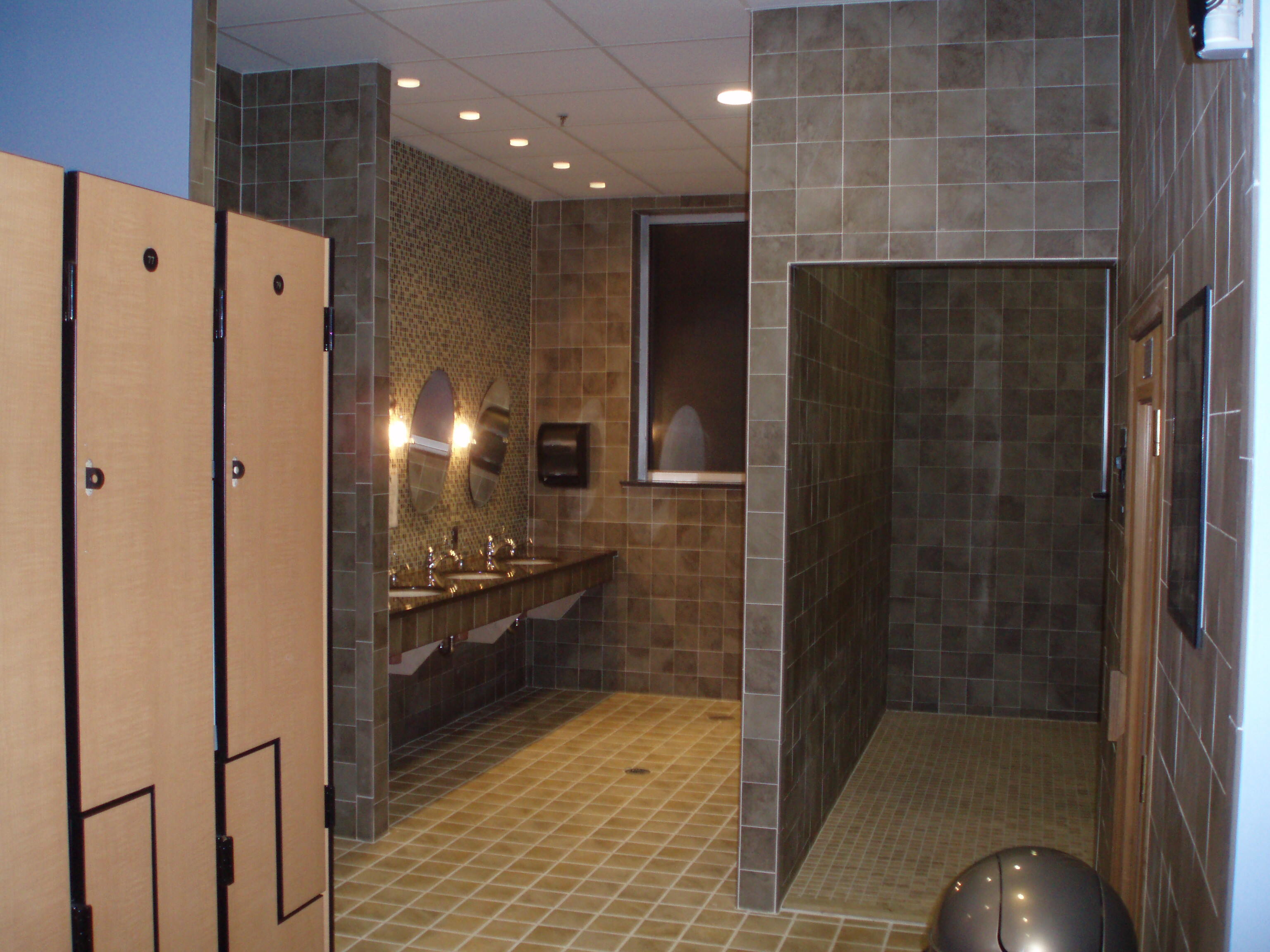
Maintaining high-performance storage solutions in commercial and industrial environments requires understanding the unique characteristics of advanced materials. A phenolic locker represents a significant investment in durable, long-lasting storage infrastructure that demands proper care to maximize its operational lifespan. These sophisticated storage units combine exceptional strength with resistance to moisture, chemicals, and daily wear, making them ideal for demanding applications in gyms, schools, hospitals, and industrial facilities. Understanding the specific maintenance requirements ensures optimal performance and protects your investment over decades of reliable service.
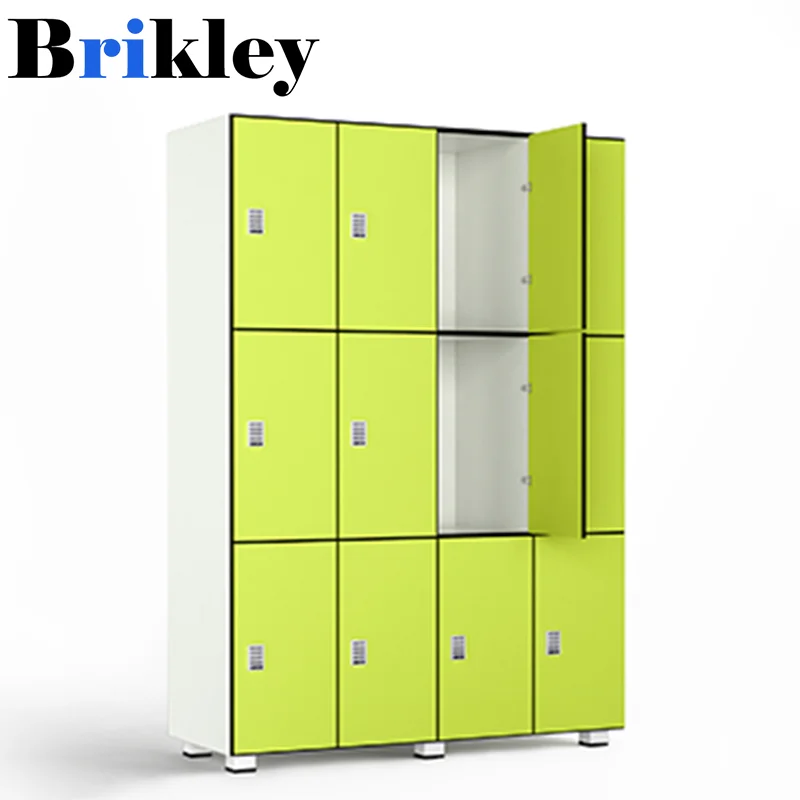
The advanced resin-impregnated construction of phenolic storage systems creates unique maintenance considerations that differ significantly from traditional metal or wood alternatives. Regular attention to cleaning protocols, hardware inspection, and environmental factors helps preserve the structural integrity and aesthetic appeal of these premium storage solutions. Proper maintenance practices not only extend service life but also maintain hygiene standards critical in healthcare, educational, and fitness environments.
Understanding Phenolic Material Properties
Composition and Durability Characteristics
Phenolic resin construction involves layers of kraft paper or fabric impregnated with thermosetting resins that cure under high pressure and temperature. This manufacturing process creates a non-porous, solid-core material that resists moisture penetration, bacterial growth, and chemical degradation. The resulting surface demonstrates exceptional resistance to scratches, dents, and impact damage while maintaining dimensional stability across varying temperature and humidity conditions.
The molecular structure of cured phenolic resins provides inherent antimicrobial properties that inhibit bacterial and fungal growth without additional chemical treatments. This characteristic makes phenolic storage particularly valuable in healthcare environments, food service areas, and other applications where hygiene represents a critical concern. Understanding these material properties helps facility managers develop appropriate maintenance protocols that leverage these natural advantages.
Environmental Resistance Benefits
Phenolic materials demonstrate superior performance in challenging environmental conditions compared to traditional storage materials. The non-metallic construction eliminates corrosion concerns in humid environments, while the solid-core design prevents moisture absorption that can lead to warping, swelling, or dimensional changes. Chemical resistance extends to common cleaning agents, disinfectants, and accidental spills that might damage other materials.
Temperature stability ensures consistent performance across seasonal variations and in facilities with limited climate control. The material maintains structural integrity and surface finish quality in environments ranging from freezing temperatures to elevated heat conditions. This stability reduces maintenance requirements related to thermal expansion, contraction, and associated hardware adjustments.
Daily Cleaning and Surface Care
Recommended Cleaning Solutions
Effective daily maintenance begins with selecting appropriate cleaning solutions that preserve the phenolic surface while removing contaminants and maintaining hygiene standards. Mild soap and water solutions provide adequate cleaning power for routine maintenance without introducing harsh chemicals that might affect surface finish over time. Commercial neutral pH cleaners specifically formulated for non-porous surfaces offer enhanced cleaning performance while maintaining material compatibility.
Disinfectant solutions containing quaternary ammonium compounds, hydrogen peroxide, or alcohol-based formulations work effectively on phenolic surfaces without causing degradation. Avoid cleaners containing strong acids, bases, or abrasive compounds that might affect surface texture or gloss levels. Always test new cleaning products on inconspicuous areas before implementing facility-wide cleaning protocols.
Proper Cleaning Techniques
Systematic cleaning approaches ensure thorough coverage while preventing damage from inappropriate techniques or excessive force. Begin cleaning procedures by removing loose debris and personal items from storage compartments and surfaces. Use microfiber cloths or soft sponges to apply cleaning solutions, working from top to bottom to prevent recontamination of cleaned areas.
Rinse surfaces thoroughly with clean water to remove cleaning residues that might attract dirt or create streaking. Dry surfaces completely with lint-free cloths to prevent water spots and maintain the professional appearance of phenolic locker installations. Pay particular attention to door edges, handles, and ventilation areas where moisture might accumulate.
Hardware Maintenance and Inspection
Lock Mechanism Care
Electronic and mechanical locking systems require regular attention to maintain smooth operation and security integrity. Electronic locks benefit from periodic battery replacement according to manufacturer recommendations, typically every 12-18 months depending on usage frequency. Clean electronic components with dry cloths to prevent moisture accumulation that might interfere with sensor operation or circuit function.
Mechanical combination locks require occasional lubrication of moving parts using manufacturer-approved lubricants that won't attract dirt or debris. Inspect combination dials for smooth rotation and clear number visibility, replacing worn components before they affect lock reliability. Document lock maintenance activities to establish service patterns and predict replacement needs.
Hinge and Handle Adjustment
Door hinges experience constant stress from opening and closing cycles, making regular inspection and maintenance essential for proper door alignment and operation. Check hinge pins for wear, looseness, or binding that might affect door swing or create noise during operation. Apply light machine oil to hinge pivot points monthly or as needed to maintain smooth operation.
Handle assemblies require periodic tightening of mounting hardware to prevent looseness that could lead to component failure or security concerns. Inspect handle springs, catches, and latching mechanisms for proper engagement and smooth operation. Replace worn components promptly to prevent damage to door frames or locking systems.
Preventive Maintenance Scheduling
Weekly Inspection Protocols
Systematic weekly inspections help identify potential issues before they develop into significant problems requiring expensive repairs or replacement. Check door alignment and closure, ensuring proper sealing and latching without excessive force or binding. Inspect surfaces for damage, scratches, or staining that might require immediate attention to prevent permanent damage.
Examine ventilation areas for blockages that might restrict airflow and create moisture accumulation problems. Test electronic locks and lighting systems where applicable, verifying proper operation and replacing batteries or components as needed. Document inspection findings to establish maintenance patterns and budget for future component replacements.
Monthly Deep Cleaning Procedures
Monthly deep cleaning procedures extend beyond daily surface maintenance to address areas that accumulate contaminants over time. Remove all personal items and thoroughly clean interior surfaces, paying attention to corners, edges, and ventilation grilles where dust and debris tend to accumulate. Use appropriate disinfectants to eliminate bacteria and odors that might develop in heavily used storage areas.
Inspect and clean door seals, weatherstripping, and gaskets that prevent moisture intrusion and maintain climate control. Apply protective treatments where recommended by manufacturers to preserve surface finish and enhance stain resistance. Check mounting hardware and structural connections for tightness and proper alignment.
Troubleshooting Common Issues
Surface Staining and Discoloration
While phenolic materials resist most staining agents, certain substances can cause discoloration if not addressed promptly. Remove food spills, beverages, and cosmetic products immediately using appropriate cleaning solutions and techniques. For persistent stains, use mildly abrasive cleaners specifically designed for phenolic surfaces, following manufacturer guidelines for application and removal.
Prevent future staining by implementing user education programs and posting care instructions in visible locations. Address vandalism or graffiti immediately using recommended removal products that won't damage the phenolic surface. Consider applying protective coatings in high-risk areas where staining incidents occur frequently.
Hardware Malfunctions and Repairs
Lock failures, door misalignment, and hardware wear represent common maintenance challenges that require prompt attention to maintain security and functionality. Develop relationships with qualified service technicians who understand phenolic storage systems and can perform repairs without damaging surrounding materials. Maintain inventory of common replacement parts to minimize downtime during repairs.
Document recurring problems to identify design or installation issues that might require systematic corrections. Work with manufacturers to understand warranty coverage and obtain technical support for complex repair procedures. Train maintenance staff to recognize early warning signs of hardware problems before they result in complete failures.
Environmental Considerations and Protection
Climate Control and Moisture Management
While phenolic materials resist moisture damage, proper environmental control enhances performance and extends service life of all storage system components. Maintain relative humidity levels between 30-60% to prevent condensation that might affect electronic components or create conditions favorable to mold and mildew growth. Ensure adequate ventilation to promote air circulation and prevent stagnant conditions.
Monitor temperature fluctuations that might affect hardware expansion and contraction, potentially leading to binding or misalignment issues. Install dehumidifiers or ventilation enhancements in areas with persistent moisture problems. Address leaks, flooding, or other water intrusion sources immediately to prevent damage to flooring, walls, and adjacent storage units.
Chemical Exposure Prevention
Although phenolic materials demonstrate excellent chemical resistance, prolonged exposure to aggressive substances can affect surface finish and structural integrity. Train users to avoid storing chemicals, solvents, or other potentially harmful substances in storage compartments not designed for such applications. Provide appropriate storage solutions for maintenance supplies and cleaning chemicals away from user storage areas.
Implement spill response procedures that address chemical accidents quickly and effectively. Maintain safety data sheets for all cleaning products and chemicals used in facility maintenance. Consider installing chemical storage cabinets in areas where exposure risks are elevated due to industrial processes or laboratory activities.
FAQ
How often should phenolic lockers be deep cleaned and inspected?
Phenolic lockers should undergo deep cleaning monthly and comprehensive inspection weekly to maintain optimal performance and appearance. Daily surface cleaning removes routine contaminants, while monthly procedures address accumulated debris and allow thorough examination of hardware components. Weekly inspections help identify developing problems before they require expensive repairs or compromise security.
What cleaning products should be avoided on phenolic surfaces?
Avoid using strong acids, bases, or abrasive cleaners that might damage the phenolic surface finish. Products containing bleach concentrations above 10%, steel wool, or abrasive pads can cause scratching or chemical etching. Always test new cleaning products on inconspicuous areas and follow manufacturer recommendations for compatible cleaning solutions.
How long do phenolic lockers typically last with proper maintenance?
Well-maintained phenolic lockers typically provide 20-25 years of reliable service in normal commercial environments. Proper maintenance, appropriate cleaning procedures, and timely hardware replacement can extend service life significantly beyond standard expectations. The initial investment in quality phenolic storage systems pays long-term dividends through reduced replacement costs and minimal maintenance requirements.
Can damaged phenolic surfaces be repaired effectively?
Minor scratches and surface damage can often be repaired using manufacturer-approved repair kits and techniques. Deep gouges, chemical etching, or structural damage typically require professional repair or component replacement. Prevention through proper use and maintenance represents the most cost-effective approach to preserving phenolic storage investments over their intended service life.