
 EN
EN
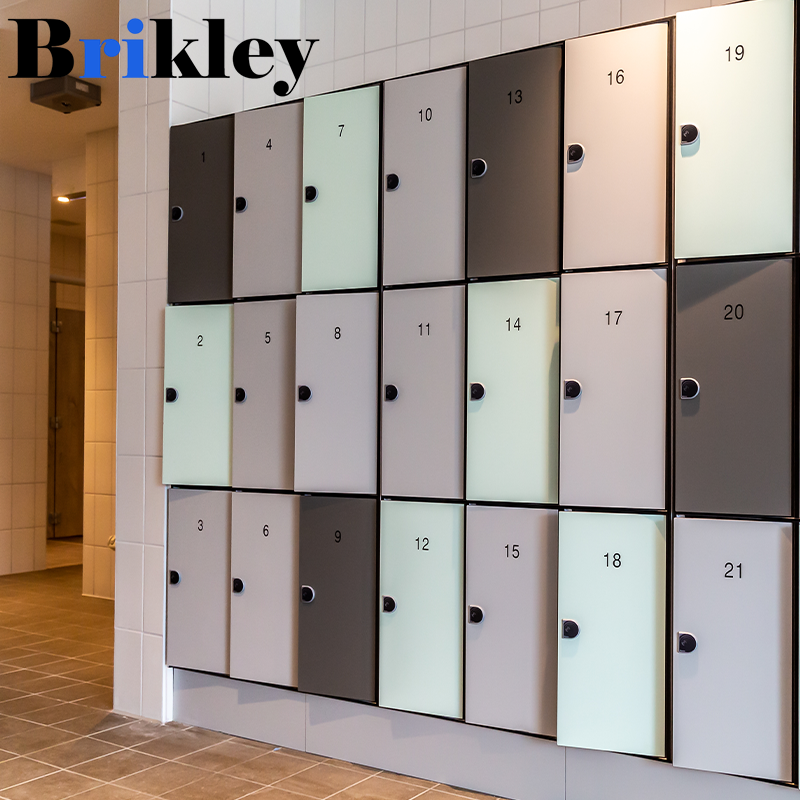
Selecting the right phenolic locker for high-traffic environments requires careful consideration of durability, security features, and maintenance requirements. High-traffic areas such as schools, gyms, workplaces, and public facilities demand storage solutions that can withstand constant use while maintaining functionality and aesthetic appeal. Understanding the unique properties of phenolic materials and their advantages in demanding environments is essential for making an informed decision that ensures long-term satisfaction and cost-effectiveness.
Understanding Phenolic Material Properties
Composition and Manufacturing Process
Phenolic lockers are constructed using high-pressure laminate technology that combines multiple layers of kraft paper saturated with phenolic resin. This manufacturing process creates a dense, non-porous surface that resists moisture, bacteria, and chemical damage. The phenolic locker construction involves compressing these layers under extreme heat and pressure, resulting in a material that maintains structural integrity even under severe stress conditions.
The core material typically consists of solid phenolic resin or a combination of phenolic and melamine layers, providing exceptional strength and durability. This composition makes phenolic lockers significantly more robust than traditional metal or wood alternatives, particularly in environments where humidity, temperature fluctuations, and heavy usage are common factors.
Durability Characteristics
One of the most significant advantages of phenolic locker systems is their resistance to impact damage and wear. The solid construction prevents denting, scratching, and structural deformation that commonly affects metal lockers in high-traffic areas. Additionally, the non-porous surface eliminates the risk of rust, corrosion, or water damage that can compromise locker functionality over time.
The material's inherent antibacterial properties make it an ideal choice for environments where hygiene is paramount. Unlike painted metal surfaces that can harbor bacteria in scratches or chips, phenolic surfaces maintain their cleanliness and resist bacterial growth, contributing to healthier environments in schools, healthcare facilities, and fitness centers.
Security Features and Locking Mechanisms
Electronic Lock Systems
Modern phenolic locker installations often incorporate advanced electronic locking systems that provide enhanced security and user convenience. Digital combination locks eliminate the need for physical keys or padlocks, reducing the risk of lost keys and unauthorized access. These systems can be programmed with master codes for administrative access while allowing individual users to set personal combinations.
The integration of electronic locks with phenolic locker construction requires careful consideration of mounting hardware and weatherproofing. Quality manufacturers ensure that electronic components are properly sealed and protected from moisture, dust, and impact damage that could compromise functionality in demanding environments.
Mechanical Security Options
Traditional mechanical locks remain a popular choice for many phenolic locker applications due to their reliability and lower maintenance requirements. Built-in combination locks, cam locks, and padlock hasps provide various security levels depending on the specific needs of the facility. The solid construction of phenolic materials provides excellent support for these locking mechanisms, preventing the warping or stress that can affect lock alignment over time.
When selecting mechanical locks for high-traffic applications, consider the frequency of use and the skill level of typical users. Simple combination locks work well in educational environments, while more sophisticated locking mechanisms may be appropriate for workplace or secure facility applications where valuable items require additional protection.
Design Considerations for High-Traffic Environments
Ventilation and Air Circulation
Proper ventilation is crucial in high-traffic locker installations to prevent odors, moisture buildup, and mold growth. Phenolic locker designs typically incorporate ventilation slots or perforated panels that allow air circulation while maintaining security and privacy. The non-porous nature of phenolic materials prevents moisture absorption, but adequate ventilation ensures that stored items remain dry and fresh.
Consider the placement of ventilation features when selecting phenolic locker configurations. Top and bottom ventilation slots provide optimal air circulation, while side ventilation may be appropriate for installations where space constraints limit airflow options. The size and placement of ventilation openings should balance air circulation needs with security requirements.
Size and Configuration Options
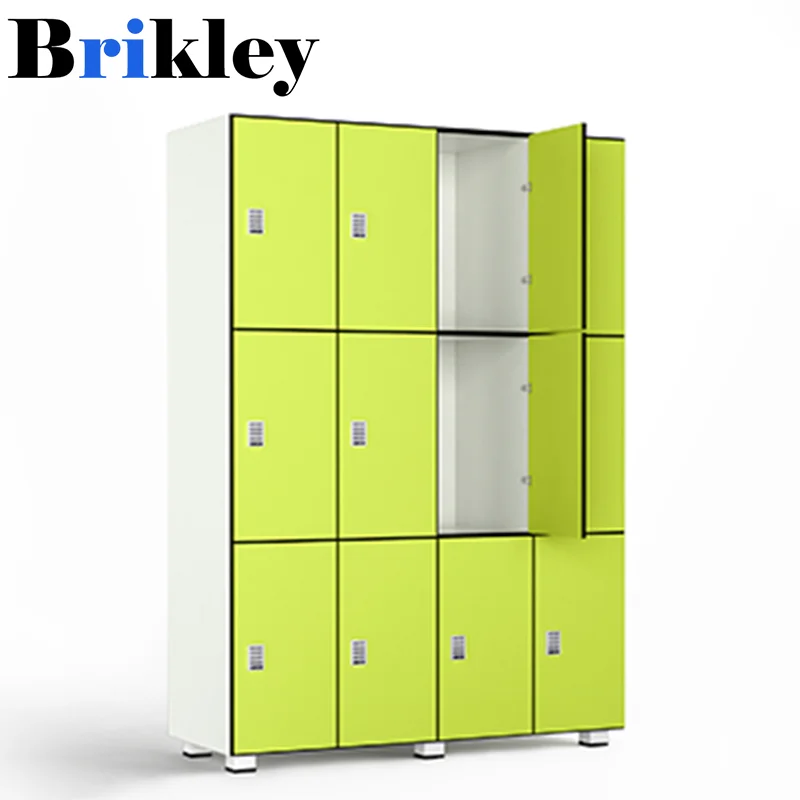
High-traffic facilities often require diverse locker sizes to accommodate different user needs and storage requirements. Single-tier lockers provide maximum storage space for coats, bags, and personal items, while multi-tier configurations maximize the number of users that can be served in limited floor space. The modular nature of phenolic locker systems allows for flexible configurations that can be customized to specific facility requirements.
Consider future expansion needs when planning phenolic locker installations. Modular systems can be easily expanded or reconfigured as facility needs change, providing long-term flexibility and value. The ability to mix different locker sizes within a single installation allows facility managers to optimize space usage and accommodate varying user requirements.
Installation and Maintenance Requirements
Professional Installation Considerations
Proper installation is essential for maximizing the performance and longevity of phenolic locker systems in high-traffic environments. Professional installation ensures that lockers are properly anchored, aligned, and sealed to prevent movement, noise, and potential safety hazards. The weight and rigidity of phenolic materials require specific mounting techniques and hardware to ensure secure installation.
Consider the facility's infrastructure when planning phenolic locker installation. Floor conditions, wall attachment points, and overhead clearances all affect installation complexity and cost. Working with experienced installers familiar with phenolic materials ensures that installations meet safety codes and manufacturer specifications while minimizing disruption to facility operations.
Long-Term Maintenance Protocols
One of the primary advantages of phenolic locker systems is their minimal maintenance requirements compared to traditional metal or wood alternatives. The non-porous surface resists staining, scratching, and bacterial growth, requiring only routine cleaning with standard disinfectants. Regular maintenance protocols should include inspection of locking mechanisms, ventilation systems, and structural integrity to ensure continued performance.
Develop maintenance schedules that address the specific needs of high-traffic environments. Daily cleaning protocols help maintain hygiene standards, while weekly inspections can identify potential issues before they become significant problems. The durability of phenolic materials means that major repairs or replacements are rarely necessary, contributing to lower total cost of ownership over the locker system's lifespan.
Cost Considerations and Value Analysis
Initial Investment Comparison
While phenolic locker systems typically require a higher initial investment compared to basic metal lockers, the long-term value proposition often justifies the additional cost. The durability, low maintenance requirements, and extended lifespan of phenolic materials result in lower total cost of ownership over time. When evaluating options for high-traffic installations, consider the complete lifecycle costs rather than focusing solely on initial purchase price.
Factor in installation costs, ongoing maintenance requirements, and potential replacement needs when comparing different locker options. The stability and longevity of phenolic locker systems often result in lower long-term costs despite higher upfront investment, particularly in demanding environments where frequent repairs or replacements would be necessary with less durable alternatives.
Return on Investment Factors
The return on investment for phenolic locker systems in high-traffic environments extends beyond simple cost calculations to include factors such as user satisfaction, facility reputation, and operational efficiency. The professional appearance and reliable performance of quality phenolic lockers contribute to positive user experiences that can enhance facility utilization and customer retention.
Consider the impact of locker system performance on facility operations and user satisfaction. Reliable, secure storage solutions reduce complaints, minimize maintenance interruptions, and contribute to positive facility experiences. These factors can have significant value in commercial, educational, and public facility applications where user satisfaction directly affects success metrics.
FAQ
What makes phenolic lockers more durable than metal lockers in high-traffic areas
Phenolic lockers offer superior durability due to their solid construction and non-porous surface that resists dents, scratches, rust, and corrosion. The high-pressure laminate manufacturing process creates a dense material that maintains structural integrity under heavy use, while the antibacterial properties prevent odor and bacterial buildup that can affect metal lockers over time.
How do electronic locks perform with phenolic locker systems
Electronic locks integrate well with phenolic locker systems when properly installed with appropriate weatherproofing and mounting hardware. The solid construction provides stable support for electronic components, while the non-conductive properties of phenolic materials help protect sensitive electronics from moisture and environmental factors that could cause malfunctions.
What ventilation options work best for phenolic lockers in gyms and sports facilities
Top and bottom ventilation slots provide optimal air circulation for phenolic lockers in sports facilities, allowing continuous airflow that prevents odor buildup and moisture accumulation. Perforated panels or louvered vents can be incorporated into door designs to enhance ventilation while maintaining security and privacy for stored items.
Can phenolic locker systems be expanded or reconfigured after installation
Yes, the modular design of most phenolic locker systems allows for expansion and reconfiguration to meet changing facility needs. Individual units can be added or removed, and different locker sizes can be integrated into existing installations. This flexibility makes phenolic systems ideal for facilities that may need to adapt their storage solutions over time.
Table of Contents
- Understanding Phenolic Material Properties
- Security Features and Locking Mechanisms
- Design Considerations for High-Traffic Environments
- Installation and Maintenance Requirements
- Cost Considerations and Value Analysis
-
FAQ
- What makes phenolic lockers more durable than metal lockers in high-traffic areas
- How do electronic locks perform with phenolic locker systems
- What ventilation options work best for phenolic lockers in gyms and sports facilities
- Can phenolic locker systems be expanded or reconfigured after installation