
 EN
EN
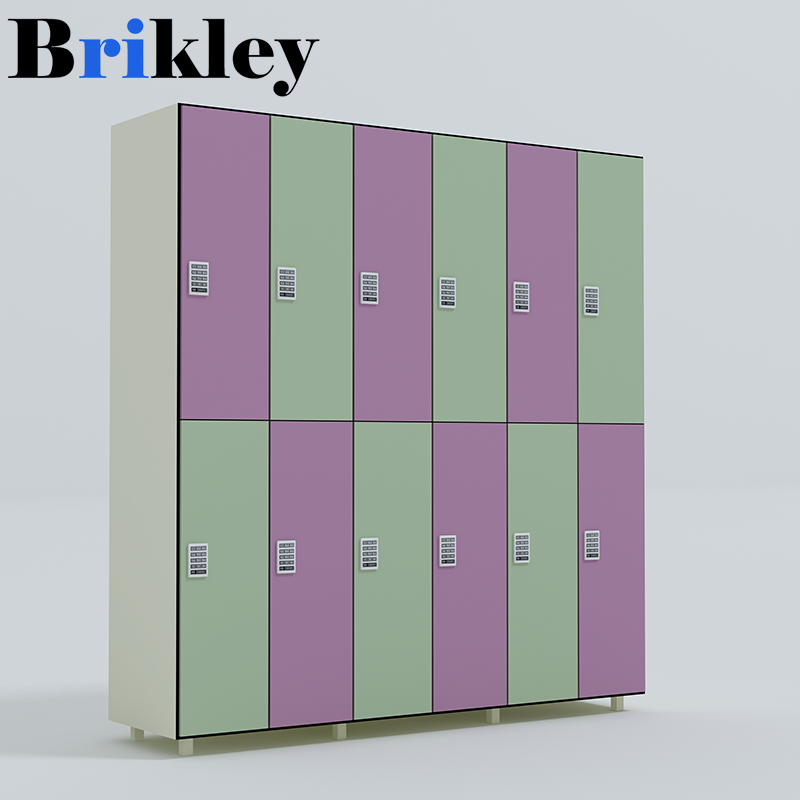
Maintaining high-quality storage solutions in commercial and institutional environments requires consistent attention to detail and proper care protocols. The SGL locker system has become increasingly popular in gyms, schools, offices, and recreational facilities due to its robust construction and reliable performance. Understanding the essential maintenance practices can significantly extend the lifespan of these storage units while ensuring optimal functionality for daily users. Proper maintenance not only preserves the aesthetic appeal of your lockers but also maintains their security features and structural integrity over extended periods of heavy use.
Daily Cleaning and Surface Maintenance
Effective Cleaning Solutions and Techniques
Regular cleaning forms the foundation of effective locker maintenance programs in any facility. Using appropriate cleaning solutions prevents the buildup of dirt, grime, and bacteria that can compromise both the appearance and hygiene of your storage systems. A mild detergent solution mixed with warm water provides an excellent starting point for daily cleaning routines. Avoid harsh chemical cleaners that may damage protective coatings or cause discoloration on the locker surfaces.
Microfiber cloths offer superior cleaning performance compared to traditional cleaning materials, as they effectively capture dust and debris without scratching delicate surfaces. When cleaning electronic combination locks, use slightly damp cloths rather than soaking the control panels, which could damage the internal electronics. Pay special attention to high-touch areas such as handles, locks, and door edges where fingerprints and wear patterns typically accumulate most rapidly.
Preventing Surface Damage and Wear
Implementing preventive measures protects locker surfaces from unnecessary wear and extends their operational lifespan significantly. Establishing clear usage guidelines for facility users helps minimize damage from improper handling or storage of oversized items. Regular inspection of door mechanisms ensures smooth operation and identifies potential issues before they escalate into costly repairs or replacements.
Surface protection involves monitoring for scratches, dents, or other physical damage that may compromise the locker's integrity. Immediate attention to minor surface issues prevents them from developing into major problems that require extensive repair work. The SGL locker design incorporates durable materials specifically engineered to withstand daily use, but proper care maximizes their protective capabilities.
Lock System Maintenance and Security
Electronic Lock Care and Calibration
Electronic combination locks require specific maintenance procedures to ensure reliable operation and long-term security performance. Battery monitoring represents a critical aspect of electronic lock maintenance, as low battery levels can cause malfunctions or complete system failures. Establishing a regular battery replacement schedule based on usage patterns and manufacturer recommendations prevents unexpected lockouts and user frustration.
Regular calibration checks ensure that electronic locks respond accurately to user inputs and maintain their programmed security settings. Professional technicians should perform comprehensive system diagnostics annually to identify potential issues with internal components or software functions. Keeping electronic contacts clean and free from debris prevents connectivity problems that could compromise lock performance.
Mechanical Components and Hardware
Mechanical elements within the SGL locker system require regular lubrication and adjustment to maintain smooth operation. Hinges, latches, and moving parts benefit from periodic application of appropriate lubricants that resist dust accumulation and provide long-lasting protection. Avoid over-lubrication, which can attract dirt and create maintenance problems rather than solving them.
Hardware inspection should include checking for loose screws, worn components, or signs of metal fatigue that could affect structural integrity. Tightening loose fasteners and replacing worn parts during routine maintenance prevents minor issues from developing into major system failures. Professional maintenance teams should maintain detailed records of all hardware adjustments and replacements to track component performance over time.
Environmental Protection and Climate Control
Humidity and Moisture Management
Controlling environmental factors significantly impacts the longevity and performance of storage systems in various facility types. Excessive humidity can promote corrosion, mold growth, and deterioration of internal components, particularly in electronic systems. Installing proper ventilation systems and maintaining optimal humidity levels between 30-50% creates an ideal environment for locker preservation.
Moisture detection systems provide early warning of potential water damage from leaks, flooding, or excessive condensation. Regular monitoring of environmental conditions helps facility managers identify trends and implement corrective measures before damage occurs. The fire-resistant and waterproof features of quality storage systems provide additional protection, but proactive environmental management maximizes their effectiveness.
Temperature Stability and Air Circulation
Temperature fluctuations can cause expansion and contraction of materials, potentially leading to warping, joint separation, or hardware misalignment. Maintaining stable temperatures within manufacturer-specified ranges preserves the structural integrity of both the storage units and their locking mechanisms. Proper insulation and climate control systems contribute to consistent environmental conditions throughout the facility.
Adequate air circulation prevents the formation of stagnant air pockets that can harbor bacteria, odors, or moisture buildup. Strategic placement of ventilation systems ensures consistent airflow around storage areas while maintaining user comfort and system performance. Regular inspection and maintenance of HVAC systems supporting locker areas ensures optimal environmental conditions year-round.
Preventive Maintenance Scheduling
Routine Inspection Protocols
Establishing comprehensive inspection schedules allows facility managers to identify potential issues before they impact system performance or user satisfaction. Daily visual inspections should focus on obvious signs of damage, wear, or malfunction that require immediate attention. Weekly inspections can include more detailed examinations of locking mechanisms, structural components, and cleanliness standards.
Monthly maintenance protocols should incorporate thorough cleaning procedures, lubrication of moving parts, and testing of electronic systems. Quarterly inspections provide opportunities for professional technicians to perform detailed diagnostics and calibration procedures that exceed the capabilities of routine maintenance staff. Annual comprehensive evaluations assess overall system condition and identify components that may require replacement or upgrading.
Documentation and Record Keeping
Maintaining detailed maintenance records enables facility managers to track system performance, identify recurring issues, and optimize maintenance schedules based on actual usage patterns. Digital maintenance management systems can automate scheduling, track completion of routine tasks, and generate reports for budget planning and performance analysis. Proper documentation also supports warranty claims and helps justify capital expenditures for system upgrades or expansions.
Incident reporting procedures ensure that all damage, repairs, or unusual occurrences are properly documented and addressed. This information proves valuable for identifying trends, adjusting usage policies, or implementing additional protective measures. Regular review of maintenance records helps identify opportunities for process improvements and cost optimization.
Troubleshooting Common Issues
Addressing User Complaints and Malfunctions
Prompt response to user reports of malfunctions or difficulties maintains high satisfaction levels and prevents minor issues from escalating. Common problems include sticky locks, misaligned doors, or electronic system glitches that can usually be resolved through basic troubleshooting procedures. Training maintenance staff to diagnose and resolve routine problems reduces response times and minimizes user disruption.
Systematic troubleshooting approaches help identify root causes rather than simply addressing symptoms. For example, a door that will not close properly might indicate hinge misalignment, warped components, or obstruction rather than a simple latch problem. Thorough investigation ensures that repairs address underlying issues and prevent recurrence of the same problems.
Professional Repair and Replacement Decisions
Determining when to repair versus replace components requires careful evaluation of costs, downtime, and long-term reliability considerations. Age, usage levels, and availability of replacement parts all factor into these decisions. Professional assessment helps facility managers make informed choices that balance immediate costs with long-term operational efficiency.
Establishing relationships with qualified service providers ensures access to expertise and genuine replacement parts when needed. Regular maintenance contracts can provide cost-effective solutions for facilities with extensive storage systems, including priority service and discounted parts pricing. Quality service providers also offer valuable insights into system optimization and upgrade opportunities.
FAQ
How often should electronic locks be tested and calibrated
Electronic locks should undergo basic functionality testing monthly, with comprehensive calibration performed quarterly by trained technicians. Battery levels should be monitored continuously, with replacement scheduled based on manufacturer recommendations or usage patterns. Annual professional diagnostics ensure optimal performance and identify potential issues before they cause system failures.
What cleaning products are safe for locker maintenance
Mild detergent solutions, pH-neutral cleaners, and specialized locker cleaning products provide effective cleaning without damaging surfaces or protective coatings. Avoid bleach, ammonia-based cleaners, or abrasive products that can cause discoloration or surface damage. Always test cleaning products in inconspicuous areas before applying them to visible surfaces, and ensure adequate ventilation during cleaning procedures.
When should professional maintenance services be scheduled
Professional maintenance should be scheduled annually for comprehensive system evaluation, calibration, and component replacement. Additional professional services may be required after significant incidents, system malfunctions, or when expanding facilities. Emergency service calls should be available for critical issues that affect security or user access to stored belongings.
How can facilities extend the lifespan of their storage systems
Consistent daily cleaning, proper user education, environmental control, and preventive maintenance significantly extend system lifespan. Implementing usage guidelines, monitoring environmental conditions, and addressing issues promptly prevent minor problems from developing into major failures. Quality initial installation and regular professional maintenance maximize return on investment and user satisfaction over the system's operational life.