
 EN
EN
Selecting the right toilet partition for commercial and public facilities requires careful consideration of materials, construction quality, and long-term performance factors. The durability of your toilet partition system directly impacts maintenance costs, user satisfaction, and the overall functionality of your restroom facilities. Understanding the key elements that contribute to partition longevity will help facility managers make informed decisions that provide value for years to come.
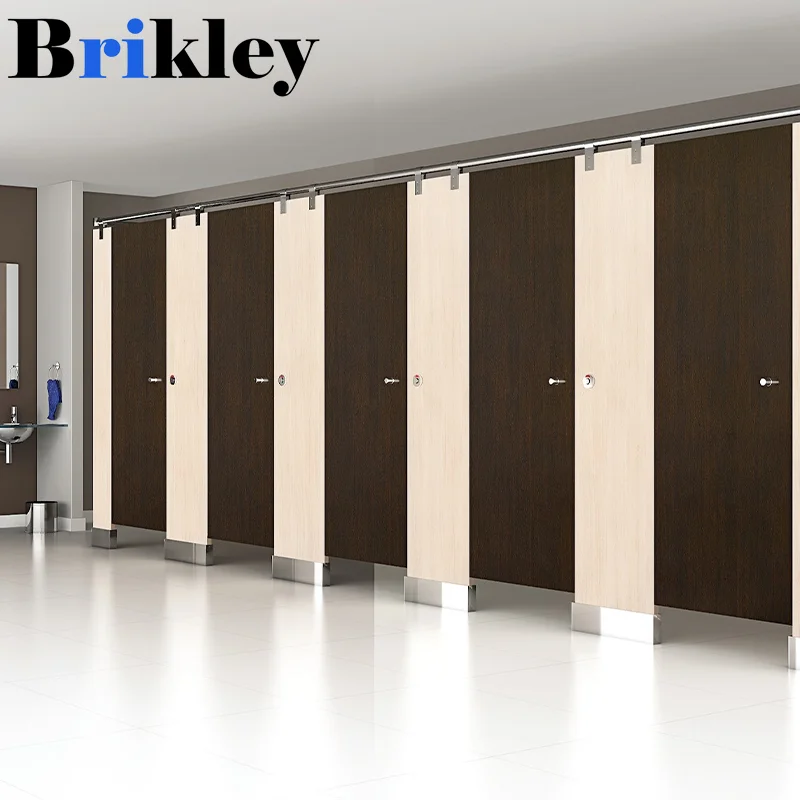
Modern restroom facilities demand partition solutions that can withstand constant use while maintaining their structural integrity and aesthetic appeal. The choice of partition material, hardware components, and installation methods all play crucial roles in determining how well your investment will perform over time. Facilities that prioritize durability often see reduced replacement costs and fewer maintenance disruptions throughout the partition's service life.
High-traffic environments such as airports, schools, shopping centers, and office buildings place unique demands on restroom partitions. These installations must resist moisture damage, impact from daily use, vandalism attempts, and frequent cleaning with commercial-grade chemicals. The most effective partition solutions combine robust materials with thoughtful design to address these challenges comprehensively.
Material Selection for Maximum Durability
High-Pressure Laminate (HPL) Performance Characteristics
High-pressure laminate stands out as one of the most durable materials available for toilet partition construction. This engineered material consists of multiple layers of kraft paper saturated with phenolic resin, topped with decorative paper and a protective melamine overlay. The manufacturing process involves pressing these layers together under extreme heat and pressure, creating a dense, non-porous surface that resists scratches, stains, and moisture penetration.
HPL partitions demonstrate exceptional resistance to bacterial growth due to their non-porous surface characteristics. This feature makes them particularly suitable for healthcare facilities, food service establishments, and other environments where hygiene standards are paramount. The material's inherent strength allows it to maintain structural stability even after years of heavy use, making it an excellent long-term investment for facility owners.
The color and pattern consistency of HPL materials remains stable under fluorescent lighting and UV exposure, preventing the fading and discoloration that can affect other partition materials over time. This stability ensures that your restroom facilities maintain their professional appearance throughout the partition's service life, reducing the need for premature replacement due to aesthetic concerns.
Comparing Alternative Materials
While powder-coated steel partitions offer cost advantages, they are susceptible to corrosion and denting that can compromise both appearance and functionality. Steel partitions in high-humidity environments may develop rust spots despite protective coatings, leading to premature replacement needs. The material's susceptibility to impact damage makes it less suitable for facilities where durability is a primary concern.
Solid plastic partitions provide excellent moisture resistance but may lack the structural rigidity needed for heavy-use applications. These materials can become brittle over time, particularly when exposed to temperature fluctuations common in many commercial buildings. While plastic partitions resist graffiti and are easy to clean, their dimensional stability under load may not meet the requirements of high-traffic facilities.
Stainless steel partitions offer superior durability and corrosion resistance but come with significantly higher initial costs. The material's susceptibility to scratching and fingerprinting requires more intensive maintenance to maintain appearance standards. For facilities where budget constraints are important, stainless steel may not provide the optimal balance of performance and cost-effectiveness.
Hardware Components and Structural Integrity
Stainless Steel Hardware Advantages
The hardware used in toilet partition systems plays a critical role in overall durability and long-term performance. Stainless steel hardware components, particularly those manufactured from 304-grade stainless steel, provide exceptional corrosion resistance and mechanical strength. These components maintain their functionality even in high-humidity environments where other materials might fail prematurely.
Quality hinges, latches, and mounting brackets made from stainless steel resist the wear patterns that commonly affect partition hardware in commercial applications. The material's resistance to chemical cleaning agents ensures that routine maintenance procedures won't compromise hardware integrity over time. This durability translates into reduced maintenance costs and fewer service interruptions for facility management teams.
Stainless steel hardware also provides superior load-bearing capacity compared to alternative materials, allowing partitions to maintain proper alignment and smooth operation even after extended use. The material's inherent strength helps prevent the sagging and misalignment issues that can develop when lesser-quality hardware components are used in partition installations.
Installation Methods and Structural Support
Proper installation techniques significantly impact the long-term durability of toilet partition systems. Floor-mounted installations provide maximum stability for partitions in high-traffic areas, distributing loads effectively and preventing stress concentrations that could lead to premature failure. The mounting system should incorporate adjustable feet to accommodate slight floor variations and maintain proper door alignment over time.
Ceiling-hung installations offer advantages in facilities where floor cleaning efficiency is important, but they require adequate structural support in the ceiling system. The mounting points must be properly engineered to handle both static loads and dynamic forces generated by door operation and user interaction. Inadequate ceiling support can lead to partition movement and hardware stress that compromises long-term performance.
Wall-mounted systems depend heavily on the structural integrity of the supporting walls and the quality of the mounting hardware used. Proper wall anchoring techniques and the use of appropriate fasteners for the specific wall construction type are essential for maintaining partition stability over time. Regular inspection of wall-mounted systems helps identify potential issues before they affect partition performance.
Environmental Factors and Performance Considerations
Moisture Resistance and Ventilation Requirements
Moisture control represents one of the most critical factors affecting toilet partition durability in commercial facilities. Partitions must resist both direct water contact from cleaning activities and ambient humidity levels that can promote mold growth and material degradation. Effective partition materials feature moisture barriers or inherent water resistance that prevents penetration into substrate materials.
Proper ventilation systems work in conjunction with partition materials to maintain optimal humidity levels within restroom facilities. Inadequate ventilation can create conditions that accelerate material degradation and promote bacterial growth, even with high-quality partition materials. Facility designers should ensure that HVAC systems provide adequate air exchange rates to support partition longevity.
The design of partition joints and edges should minimize moisture infiltration points that could compromise material integrity over time. Quality installations include proper sealing techniques and drainage considerations that direct water away from critical structural components. These details significantly impact the long-term performance of partition systems in wet environments.
Chemical Resistance and Cleaning Protocols
Commercial restroom facilities require regular cleaning with disinfectants and sanitizers that can be harsh on partition materials. Durable partition systems must resist degradation from repeated exposure to bleach-based cleaners, quaternary ammonium compounds, and other commercial cleaning chemicals. Materials that maintain their integrity under these conditions provide better long-term value for facility owners.
The surface finish of partition materials affects both cleanability and chemical resistance. Non-porous surfaces that resist staining and bacterial growth require less aggressive cleaning procedures, which in turn extends the life of both the partition material and any protective coatings. This relationship between surface characteristics and maintenance requirements impacts the total cost of ownership for partition systems.
Proper cleaning protocols should be established based on the specific partition materials and hardware components selected for each installation. Training maintenance staff on appropriate cleaning techniques and chemical selections helps ensure that cleaning activities enhance rather than compromise partition durability. Regular maintenance schedules based on manufacturer recommendations optimize performance and longevity.
Cost-Benefit Analysis and Return on Investment
Initial Investment Versus Long-Term Value
The decision-making process for toilet partition selection should consider both initial costs and long-term operational expenses. Higher-quality partition materials often require greater upfront investment but provide superior durability that reduces replacement and maintenance costs over the partition's service life. This long-term perspective helps facility managers make decisions that optimize total cost of ownership.
Durability factors directly impact the frequency of partition replacement and the associated labor costs for installation and removal. Partitions that maintain their functionality and appearance for extended periods reduce the disruption to facility operations that occurs during replacement projects. These operational considerations often justify the selection of premium partition materials in high-use facilities.
Maintenance requirements vary significantly between different partition materials and hardware configurations. Systems that require minimal ongoing maintenance provide cost advantages that accumulate over time, particularly in facilities where maintenance labor costs are substantial. The selection of low-maintenance partition solutions can free up resources for other facility improvement projects.
Performance Warranties and Manufacturer Support
Reputable partition manufacturers often provide performance warranties that reflect their confidence in product durability. These warranties can provide financial protection against premature failures and help facility managers evaluate the true long-term value of different partition options. Warranty terms and conditions should be carefully reviewed as part of the selection process.
Manufacturer support services, including technical assistance and replacement parts availability, contribute to the long-term viability of partition installations. Manufacturers with established service networks can provide faster response times for warranty issues and ongoing maintenance needs. This support infrastructure becomes particularly important for facilities with multiple locations or specialized requirements.
The availability of matching replacement components allows for partial system updates and repairs that extend overall partition life. Manufacturers who maintain consistent product lines and color offerings enable facility managers to perform selective replacements without compromising the visual consistency of their restroom facilities.
FAQ
What is the typical lifespan of high-quality toilet partitions
High-quality toilet partitions constructed from durable materials like HPL with stainless steel hardware typically last 15-25 years in commercial applications. The actual lifespan depends on usage levels, maintenance practices, and environmental conditions. Facilities with proper ventilation and regular maintenance schedules often see partition systems perform well beyond the 20-year mark, making them excellent long-term investments.
How do moisture and humidity affect partition durability
Moisture and humidity can significantly impact partition longevity by promoting corrosion, mold growth, and material degradation. Non-porous materials like HPL resist moisture penetration better than alternatives, while proper ventilation systems help maintain optimal humidity levels. Facilities in high-humidity climates or those with inadequate ventilation may experience accelerated partition wear without appropriate material selection and environmental controls.
What maintenance practices extend toilet partition life
Regular cleaning with appropriate chemicals, periodic hardware inspection and adjustment, and prompt repair of minor damage all contribute to extended partition life. Avoiding abrasive cleaners, ensuring proper door alignment, and addressing issues like loose hardware before they worsen help maintain partition functionality. Establishing a preventive maintenance schedule based on manufacturer recommendations optimizes performance and prevents premature replacement needs.
Are premium partition materials worth the additional cost
Premium partition materials often provide better long-term value despite higher initial costs due to reduced maintenance requirements, extended service life, and better performance under challenging conditions. The cost difference between basic and premium materials is typically recovered within the first few years through reduced maintenance and replacement expenses. High-traffic facilities particularly benefit from investing in durable partition solutions that minimize operational disruptions.